
Last updated November 15, 2026
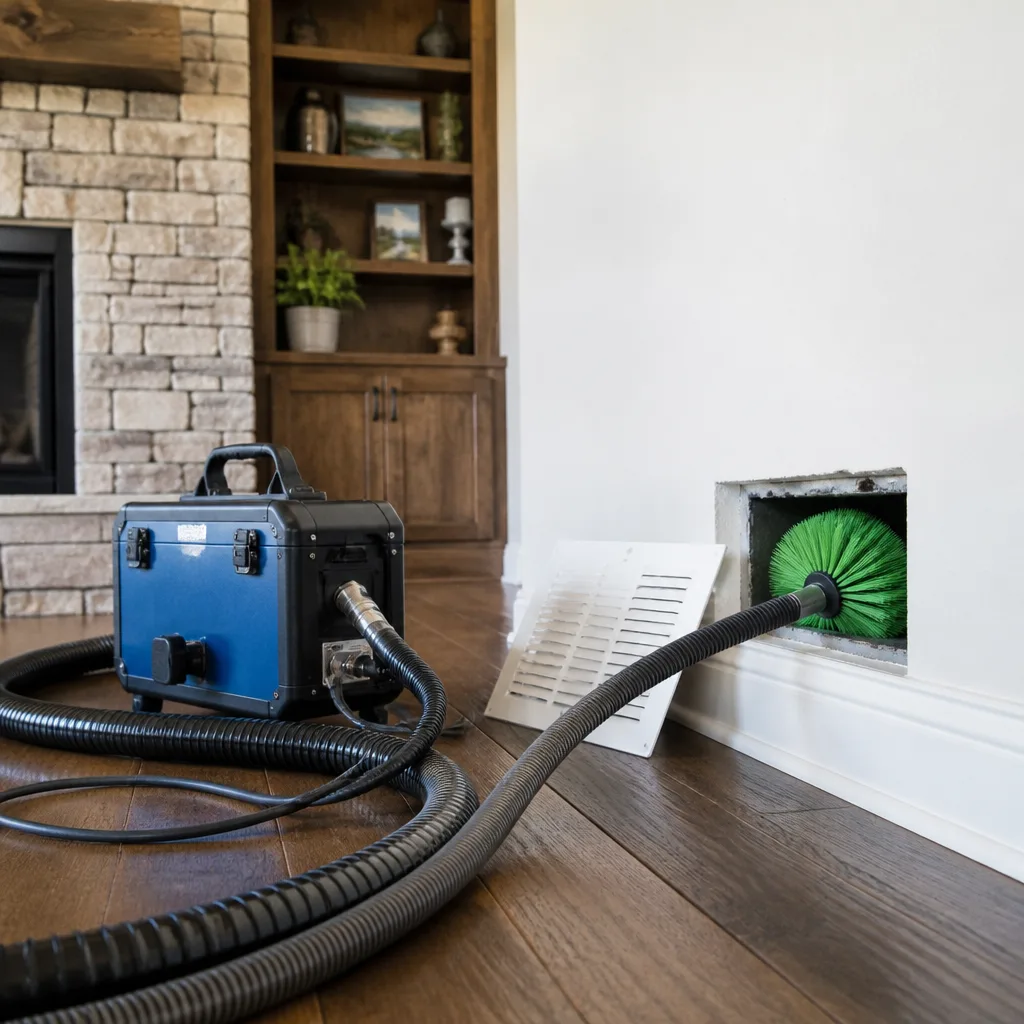 Whole-home duct cleaning
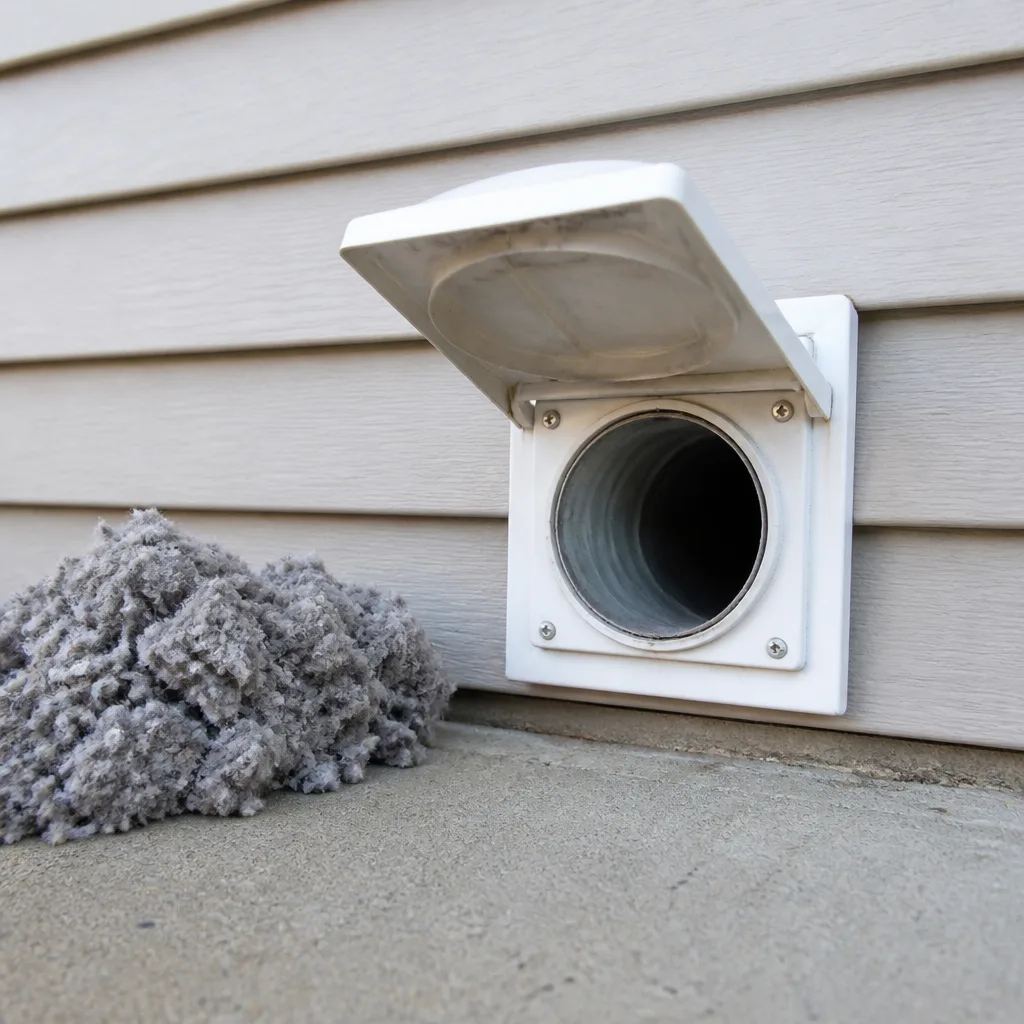 Dryer vent cleaning
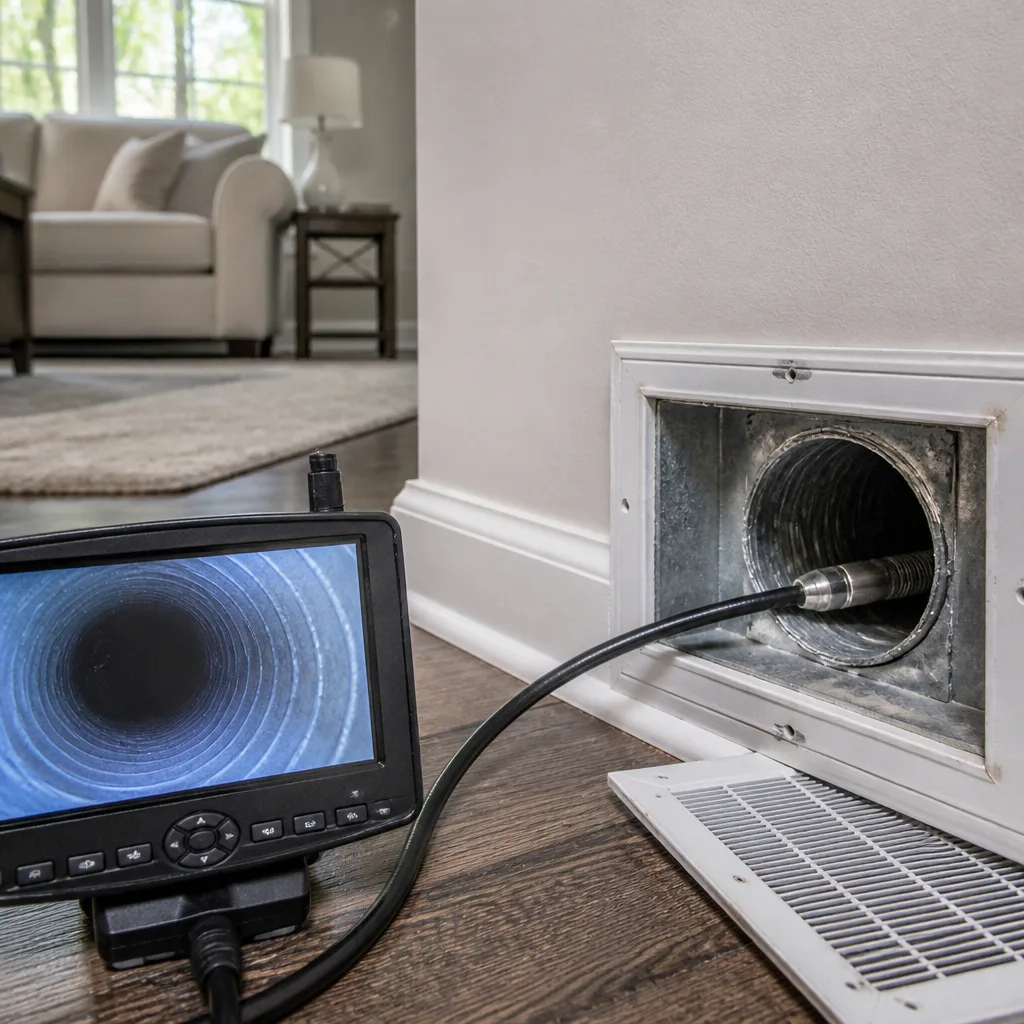 Camera inspection
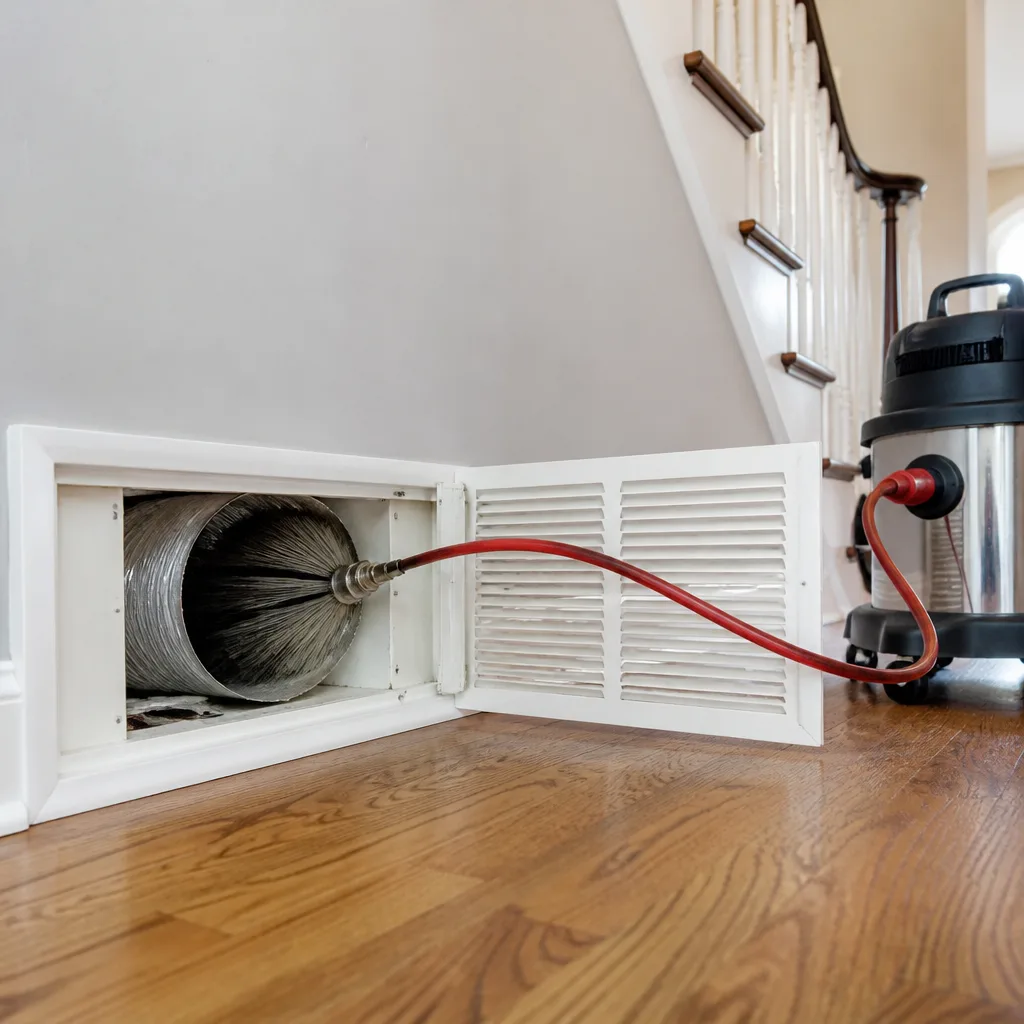 Sanitizing & deodorizing
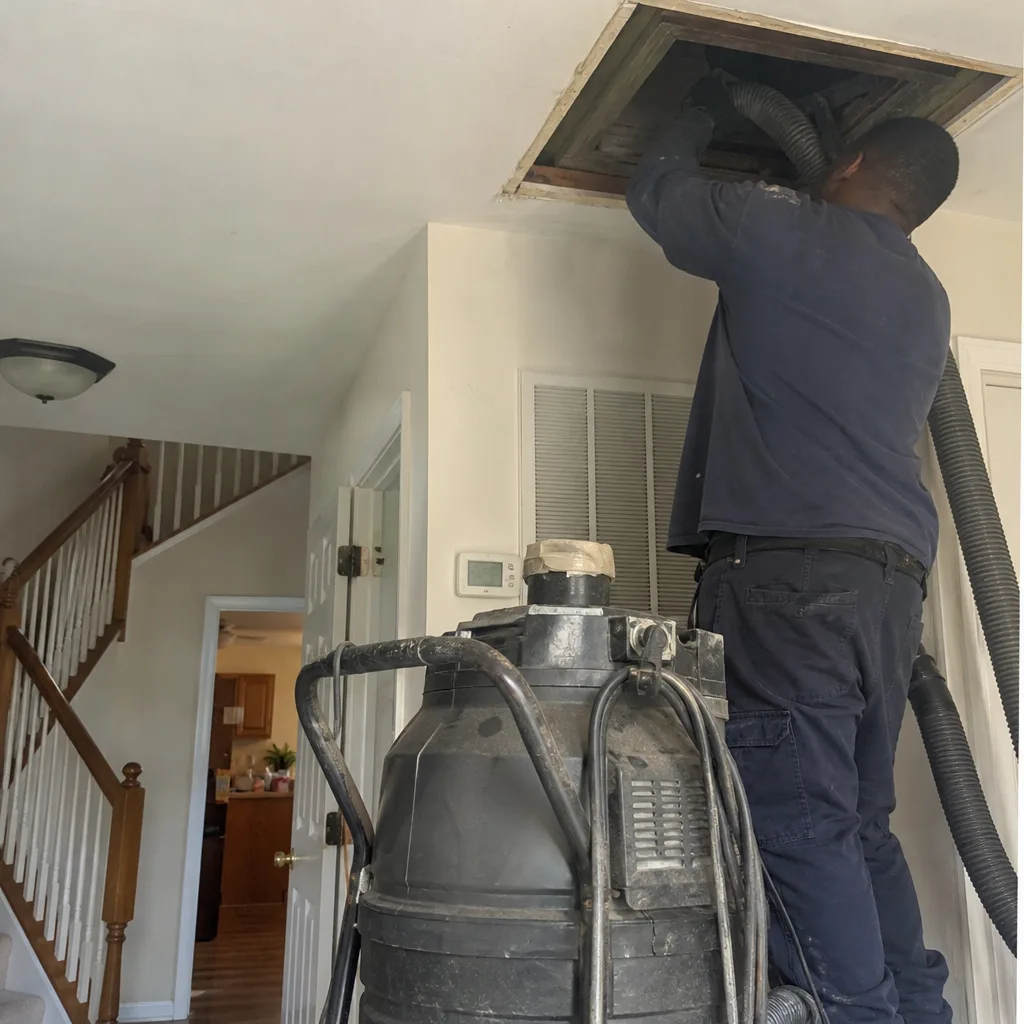
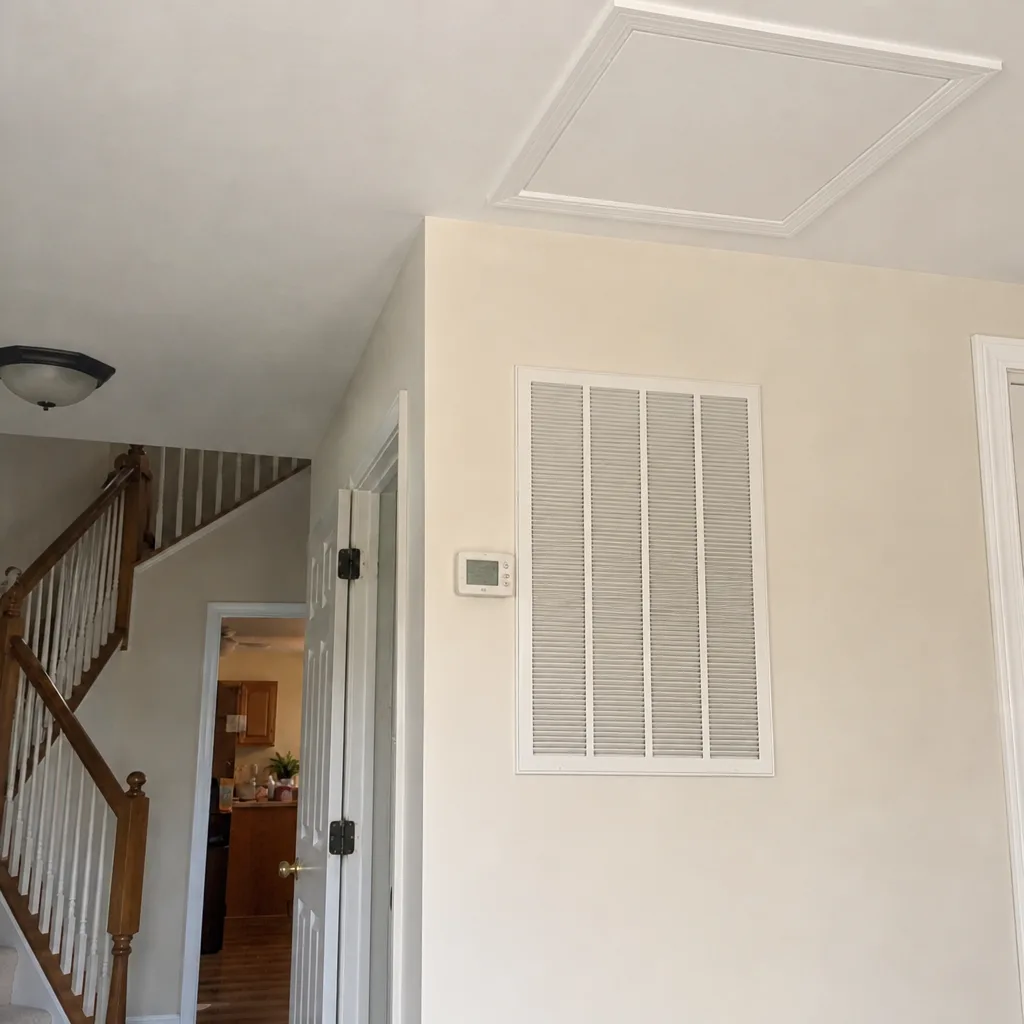
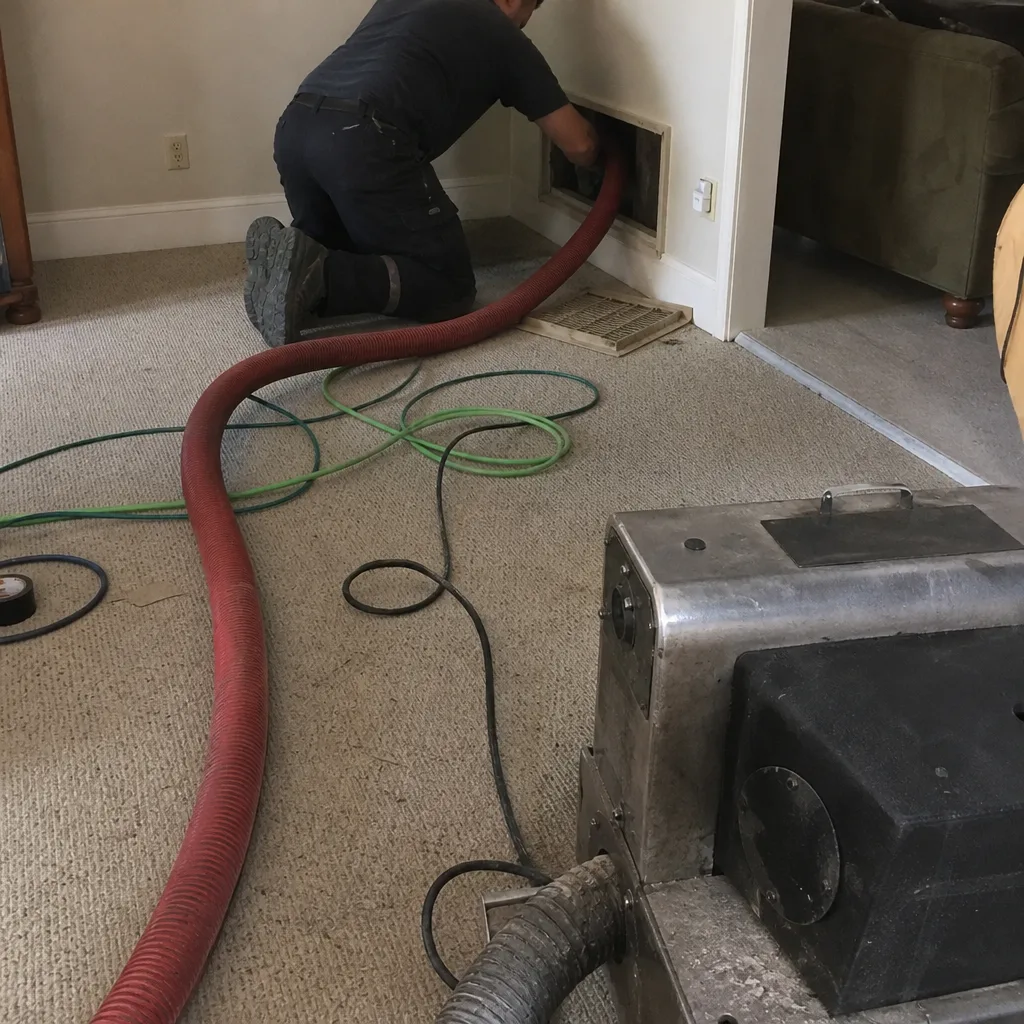
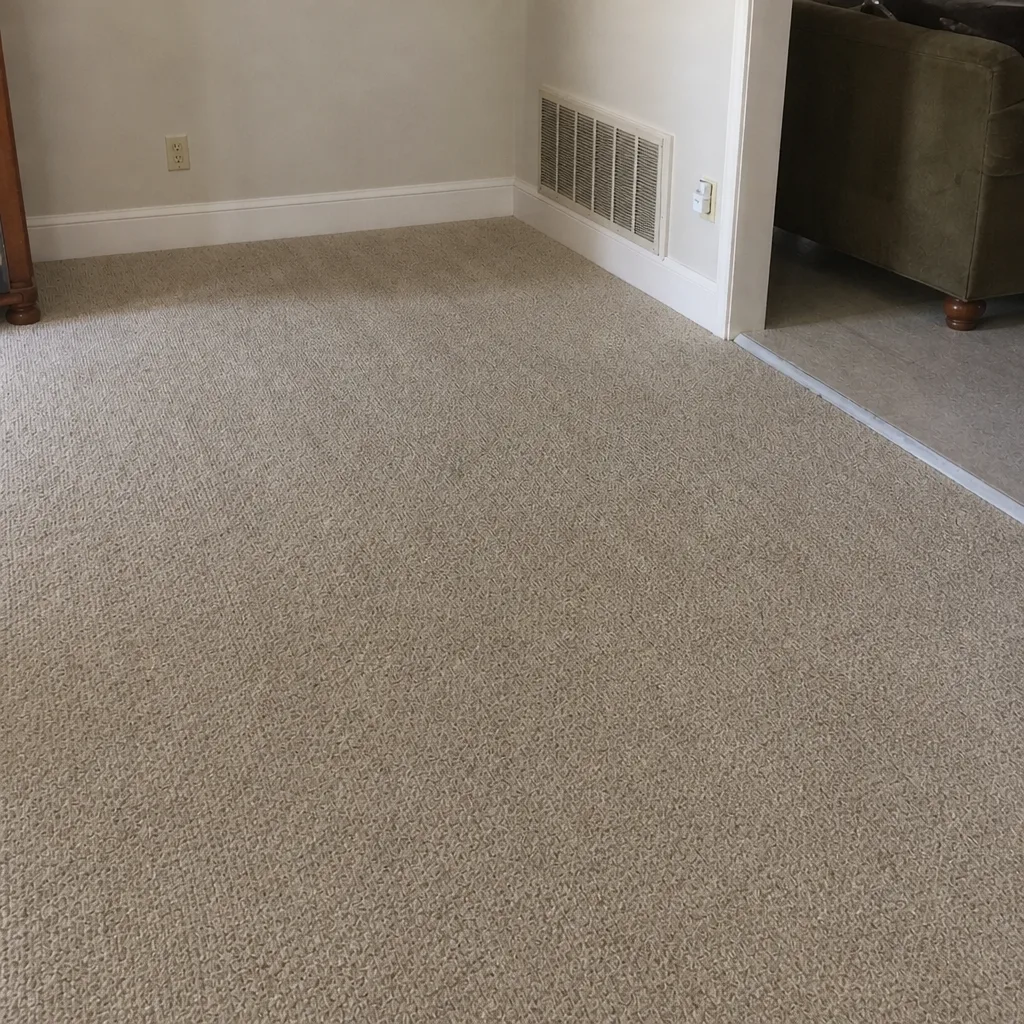
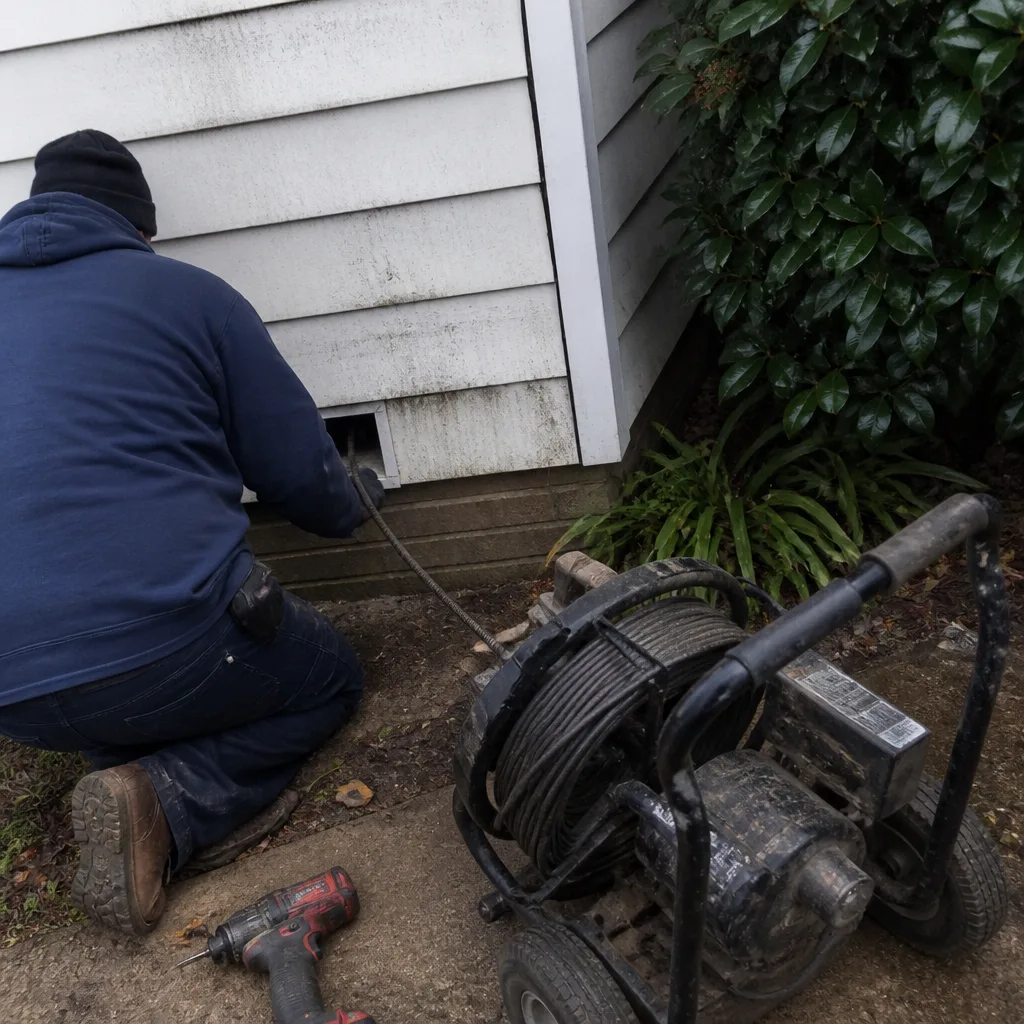
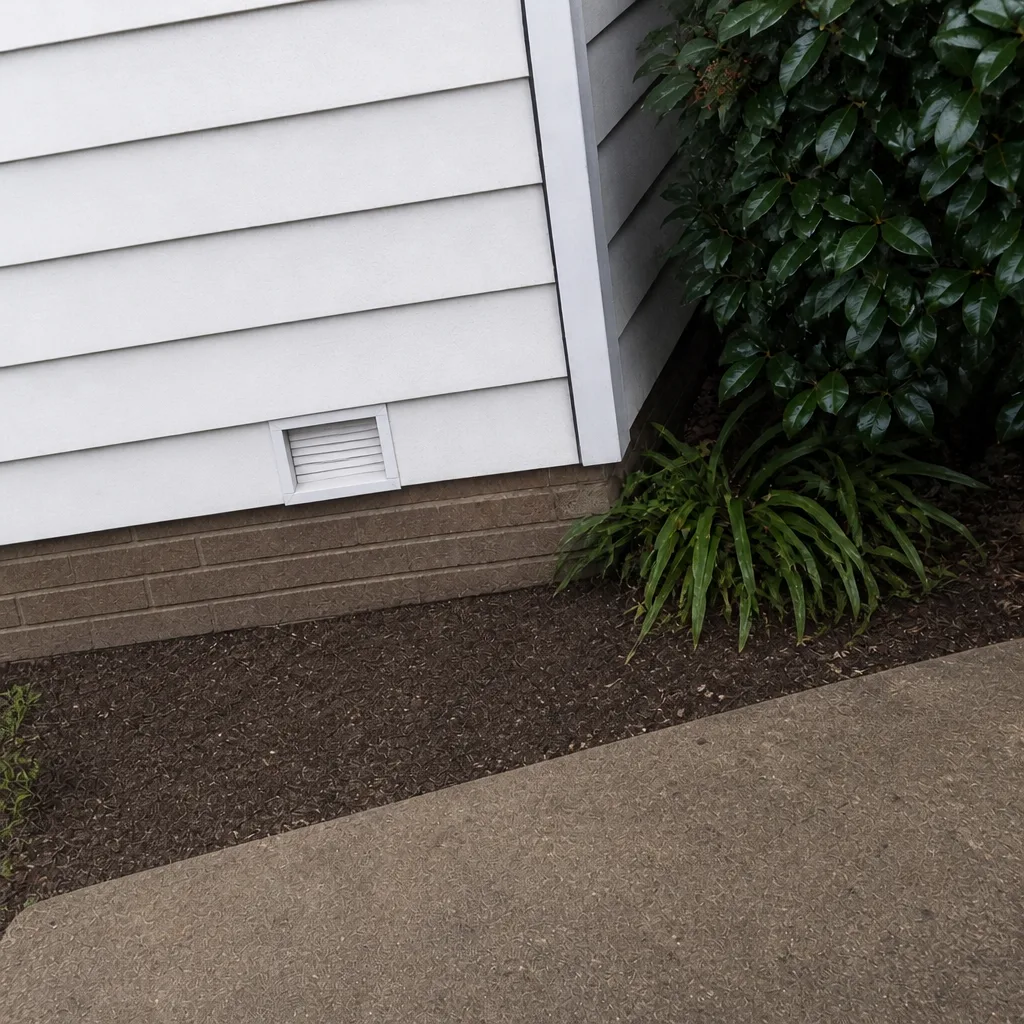
Whole-system duct and dryer vent check with before-and-after photos - you see exactly what came out of your vents
That "$99 whole-house special" is a bait ad - the real number appears once they are in your hallway, or the "clean" is a shop-vac at the register. We photograph the inside of your ducts before and after instead.
Air Duct Cleaning Emergency Preparedness Guide for Hampton Homes
Most Hampton homeowners think about ductwork last. Water in the living room? That’s an emergency. Water in the crawlspace, under the floor, moving through the ducts that feed every bedroom? That’s invisible until the smell starts. The misconception worth correcting up front is that ductwork survives a flood whenever the sheetrock does. It doesn’t. After Hurricane Isabel pushed water through Hampton in 2003, plenty of houses were dried, painted, and refinished while the ducts in the crawlspace stayed wet and stayed that way. This guide maps what actually happens inside a duct system after a flood, wind event, or nor’easter, the timeline that determines whether you’re cleaning ducts or replacing them, and the sequence of steps that gets a Hampton home back to safe air.
Quick Answer
After flooding or a major storm in Hampton, ductwork that was submerged, saturated, or exposed to wind-driven debris should be inspected within 24 to 72 hours. Ducts need drying first, then full mechanical cleaning, then sanitization only if contamination is confirmed. Waiting two weeks or more lets mold colonize duct liners and insulation, which often turns a cleaning job into a duct repair or replacement job.
Styles & brands we work with
- Whole-home duct cleaning
- Dryer vent cleaning
- Camera inspection
- Sanitizing & deodorizing
Table of Contents
- The Post-Flood Duct Contamination Timeline in Hampton
- How to Assess Duct System Exposure After a Storm
- Post-Hurricane Debris Infiltration and Return Air Pathways
- Duct Drying vs. Duct Cleaning vs. Duct Sanitization
- Pre-Storm Duct Preparation for Hampton Homes
- The Recovery Sequence: What Order to Do Things In
- Documenting Duct Damage for Your Insurance Claim
- Common Mistakes to Avoid
- When to Call a Professional
- Frequently Asked Questions
The Post-Flood Duct Contamination Timeline in Hampton
Mold doesn’t wait for your contractor’s schedule. Inside a wet duct system, biological growth follows a predictable arc, and the point at which you intervene changes both the scope of the work and the outcome for your home’s air quality.
24 Hours Post-Exposure
Within the first day, standing water or heavy saturation in flex duct, fiberboard duct, or duct insulation creates the conditions for microbial growth but hasn’t yet produced it in volume. Sheet metal duct interiors may still look clean. This is the best window in the entire recovery process, because a wet duct that gets dried and cleaned at 24 hours is a duct you keep. The challenge in Hampton is that 24 hours after a storm is usually when the power is still out and everyone is dealing with the roof.
72 Hours Post-Exposure
By the third day, mold spores have had time to germinate on wet duct liner and insulation. Musty odors start showing up at supply registers. Flex duct is especially vulnerable because the inner liner is a porous surface that holds moisture. If you smell the crawlspace in your living room, the contamination is already airborne and the HVAC system is the delivery mechanism.
Two Weeks Post-Exposure
Two weeks in, the question shifts. Visible fungal growth on duct interiors, degraded flex duct that has begun to sag or separate, and insulation that has lost its integrity are all common at this stage. This is the point where duct cleaning alone may not be enough and air duct cleaning becomes part of a larger repair scope. We’ve seen this pattern play out across Hampton neighborhoods after major weather, and the difference between a 72-hour response and a two-week response is often measured in replaced duct sections.
How to Assess Duct System Exposure After a Storm
You don’t need a thermal camera to make a first assessment. You need to know where to look and what a moisture meter reading tells you. Here’s the protocol we walk Hampton homeowners through after a weather event.
- Start in the crawlspace. Most Hampton homes have ductwork running through the crawlspace. Look for standing water, waterlines on piers and duct supports, sagging flex duct, and duct insulation that has pulled away from the duct body.
- Use a moisture meter on the duct insulation and any wood framing the ducts are strapped to. A pin-type meter gives you a percentage reading. If the insulation reads wet and the wood framing reads wet, the system has been saturated, not just damp.
- Check the access points that show contamination first. Supply registers closest to the air handler, the return air grille, and the plenum connections at the air handler typically show moisture and microbial growth before the far ends of the runs.
- Look at the air handler itself. If water reached the air handler cabinet, the blower, or the evaporator coil, that’s a separate and serious concern. Running a system with a wet blower or coil spreads moisture through every duct in the house.
- Smell the supply registers with the system off. A musty, earthy odor at the registers after the system has been off for several hours is a strong indicator of contamination in the duct interior.
- Photograph everything. Document the waterline, the wet insulation, the register interior. Insurance claims for duct damage get much easier with dated photos taken before anything is moved.
What you cannot assess visually is the interior condition of flex duct liner, the interior of the air handler, or the depth of contamination inside a long run. That’s where professional inspection with proper equipment matters, and it’s one of the reasons we use commercial-grade gear from Abatement Technologies rather than a shop vac and a flashlight.
Post-Hurricane Debris Infiltration and Return Air Pathways
Flooding is only half of Hampton’s storm exposure. Wind events compromise the building envelope in ways that push external contaminants straight into the duct system, and the infiltration path is usually through the return air side. When shingles lift, soffit vents fail, or gable-end siding is damaged, wind-driven rain, insulation fibers, and exterior debris find their way into attic spaces and crawlspaces. If the return air plenum or any return duct runs through those spaces and has a compromised seal, the system pulls that material directly into the air stream the next time the blower runs.
Hampton sits in a corridor that sees both hurricane and nor’easter activity, and the wind direction and duration of each storm determines which side of the house takes the infiltration hit. A return that runs through an attic on the windward side of a storm is a common culprit.
What to check after the wind:
- Return air ducts that run through attic or crawlspace spaces, especially any with visible tears, disconnected joints, or pulled mastic.
- Filter slots and filter frames, which can pull debris into the blower compartment when the system runs with a compromised filter.
- Register boots that have pulled away from sheetrock or floor decking, creating a gap between the duct and the living space.
- Duct joints in unconditioned spaces, where vibration from a running system widens small gaps over time.
Structural duct repair is the fix when the duct itself has been compromised. Cleaning a duct that has a tear just means re-contaminating it. Our duct cleaning Hampton service treats cleaning and repair as connected steps for exactly this reason.
Duct Drying vs. Duct Cleaning vs. Duct Sanitization
These three terms get used interchangeably, and they shouldn’t be. Each one does a different job, and using them in the wrong order wastes time and money.
Duct Drying
Duct drying is a mitigation step. It removes moisture from the duct system, the air handler, and the surrounding assembly so that mold and bacteria cannot continue to grow. This is not a cleaning service. It’s a stabilization step that usually involves high-volume air movement and dehumidification equipment, and it comes first. Cleaning a wet duct is like mopping a floor that’s still flooding.
Duct Cleaning
Duct cleaning is contamination removal. It’s the mechanical process of getting accumulated debris, settled particulate, microbial growth, and any construction or storm material out of the duct interior. This is what a Rotobrush rotary brush system and strong negative pressure are for. The Rotobrush is purpose-built for residential duct interiors and agitates the duct wall while the vacuum captures what’s released. A vacuum alone doesn’t get the material off the surface. That’s why we don’t clean ducts with repurposed shop vacs.
Duct Sanitization
Duct sanitization is a secondary treatment applied after cleaning, when contamination has been confirmed and the duct has been mechanically cleaned. It’s not a substitute for cleaning. A sanitizer applied to a dirty duct does little and can leave a residue that traps more particulate. In our experience the sequence that works is dry, clean, verify, then treat if needed. Guardsman product familiarity comes into play here, since finishing details like duct sealing contribute to keeping a cleaned system from re-contaminating.
Pre-Storm Duct Preparation for Hampton Homes
You can’t stop a hurricane. You can make sure the recovery after it is faster and cheaper. These are the steps that pay off, done before the storm arrives.
- Seal the return side of the system. Anywhere a return duct passes through an unconditioned space, check the seal. Mastic at connections and proper tape at joints prevent wind-driven debris from being drawn into the system.
- Replace the filter before the storm, not after. A fresh filter running through a storm gives the system a clean baseline. After the storm, a dirty filter makes it harder to tell whether new contamination came from the storm or was simply already there.
- Elevate or protect duct runs in the crawlspace where possible. Ducts strapped low in a crawlspace that floods are the first to saturate. If there’s any way to raise the runs before storm season, it’s worth a conversation with a contractor.
- Know where your air handler sits. If it’s on a slab in a flood-prone crawlspace or on the ground floor, you’ll know immediately after a storm whether the system needs to stay off. Running a system with a flooded air handler spreads water through every duct.
- Photograph the crawlspace and air handler before the storm. A dated photo of a dry crawlspace becomes valuable evidence if you need to prove the storm caused the damage.
- Turn the system off before the storm arrives if flooding is expected. A system that’s off during the flood event is a system that didn’t circulate contaminated water through itself.
For anyone researching this ahead of time, the practical checklist will help you plan a full pre-storm walkthrough of your home. The more of these steps you’ve done, the faster the response can go when a weather event actually hits Hampton.
The Recovery Sequence: What Order to Do Things In
After a storm, the order of operations matters as much as the work itself. Doing these steps out of sequence creates rework and can make duct damage worse.
- Water extraction and structural drying first. Any standing water in the crawlspace or living space comes out before anything else. Duct work happens after the surrounding structure is dry enough to work in.
- Electrical inspection. If water reached the air handler or any electrical components, have the electrical side inspected before turning anything on. We never recommend energizing a system that has been submerged.
- Duct system inspection and moisture reading. Get a professional assessment of the duct system before any cleaning begins. This identifies whether the ducts can be cleaned or need repair or replacement.
- Duct drying. Dry the duct system and the air handler interior.
- Duct cleaning. Once dry, clean the full system with mechanical equipment and negative pressure, including the air handler and any plenum connections.
- Structural duct repair. Fix any duct that was damaged, separated, or degraded by moisture before the system goes back into service.
- Verification and documentation. Confirm the work with before-and-after documentation. Photos of what was inside your ducts before cleaning and what the duct looks like after are the only way to know the work actually happened.
- Filter and system check. A new filter and a system check confirm airflow and catch anything the cleaning process missed.
One service we recommend after storm season regardless of flooding: dryer vent inspection. A wind event can push debris into exterior dryer vent terminations, and a lint-clogged vent is a fire risk, not just an airflow problem. dryer vent cleaning is a short job when you schedule it, and a dangerous oversight when you don’t.
Documenting Duct Damage for Your Insurance Claim
Insurance claims for duct damage live or die on documentation. Adjusters need to see the waterline in the crawlspace, the condition of the duct insulation, and the register interiors before anything is moved. Three things make a claim go smoothly: dated photos taken before any cleanup, a written inspection report from the company you hire, and a clear scope of work separating duct drying from duct cleaning from duct repair. A single lump-sum invoice that says “duct work” gives an adjuster nothing to work with.
We can work with your insurer and provide the documentation a claim requires, but the photos and the initial inspection need to happen before cleanup. If the storm hit yesterday, the claim is still in good shape. If it hit three weeks ago and the ducts have already started to smell, the documentation is harder and the scope of work is larger.
Common Mistakes to Avoid
- Running the HVAC system before the ducts are dry. A running system with wet ducts pushes moisture through every register in the house and turns a crawlspace problem into a whole-house air quality problem.
- Skipping the crawlspace inspection after a storm. Hampton homes with ductwork in the crawlspace commonly show water damage there that never reaches the living space. If you don’t check, you don’t know.
- Treating duct cleaning as a substitute for duct drying. Cleaning a wet duct spreads the moisture and the microbial growth, doesn’t remove it. Dry first, then clean.
- Hiring the cheapest quote after a storm. Storm season brings out the low-quote, quick-vacuum crowd. A vacuum at the register is not duct cleaning. Ask what equipment is being used on the interior duct surfaces and whether before-and-after photos of your own ducts are included.
- Using a generalist HVAC company for a contamination problem. Duct cleaning is a specialized craft, and the tools matter. Rotobrush and Nikro equipment is built for duct interiors. A shop vac and a brush from the hardware store is not.
- Ignoring a musty smell after the storm clears. A persistent musty odor at supply registers is the system telling you something. Delay turns a cleaning job into a replacement job.
- Skipping the dryer vent. Storm debris, lint buildup, and a compromised exterior termination add up. A clogged vent is a fire risk and worth a check after every major weather event in Hampton.
When to Call a Professional
Call a professional when water has reached the duct system, the air handler, or the crawlspace where your ducts run. Call when you smell mustiness at supply registers after a storm. Call when a wind event has damaged the roof or soffits near return duct runs. Call when flex duct is sagging, torn, or has pulled free of its fittings. These are decisions where the wrong call can turn a cleaning into a replacement, and where the right equipment makes the difference between cleaned and cleaned properly.
You can also handle the routine part yourself. Filter changes, visual checks, and keeping registers clear of furniture are things any homeowner can do. The line falls at the moment water, debris, or visible growth has entered the duct system. Duct Cleaning Hampton offers free estimates in Hampton, and the estimate comes with a written price agreed before work starts. Call (855) 356-4265. We answer 24/7. Fast dispatch from 7am to 7pm, Sunday through Friday.
See the difference
 Before
 After
 Before
 After
 Before
 After
Frequently Asked Questions
Ducts should be inspected within 24 to 72 hours of the flood water receding, and dried within that window before any cleaning begins. Cleaning a duct that’s still wet does more harm than good, because the moisture spreads. After 72 hours, mold colonization of duct liner and insulation becomes very likely. Call (855) 356-4265 for an exact quote. Estimates are free.
Wet duct insulation and flex duct liner hold moisture long after visible water is gone, and mold colonizes those surfaces within days. The HVAC system then distributes those spores through every room in the house each time it runs. Long-term, saturated duct material degrades to the point of needing replacement instead of cleaning.
Yes, in many cases, if the duct material hasn’t lost structural integrity. Sheet metal duct is cleanable after mold growth. Flex duct with a contaminated inner liner is often replaced rather than cleaned, because the porous surface can’t be fully cleared. Professional inspection determines which path applies, and that’s part of what a proper assessment covers.
Cleaning is mechanical removal of contamination from duct surfaces. Sanitization is a chemical treatment applied after cleaning when contamination has been confirmed. Sanitization does not replace cleaning. Applying a sanitizer to a dirty duct leaves the underlying debris in place and can trap more particulate.
No. Keep the system off until the ducts have been inspected and dried. Running a system with wet ducts circulates moisture and microbial growth through the entire house and can also damage the air handler components. Electrical inspection comes before any system is energized if water reached the equipment.
Coverage depends on the policy and the source of the water, but duct damage from a covered event is commonly part of the claim. The key is documentation: dated photos of the waterline and duct condition, a written inspection report, and separate line items for drying, cleaning, and repair. We can work with your insurer and provide the documentation the claim requires. Call (855) 356-4265 to schedule the inspection that starts the claim.
Every job is priced as a whole system based on the number of runs, the condition of the ducts, and whether repair is needed, and the written estimate sets the final price. Duct cleaning is a scheduled job and speed isn’t what makes it good. What makes it good is proper equipment, thorough work, and before-and-after photos of your own ducts so you know the work was actually done. Call (855) 356-4265 for a free estimate, and we’ll quote the whole system in writing before any work starts.
The Bottom Line
The most expensive part of a storm is often not the storm. It’s the contamination that sits inside ductwork for weeks after the water recedes, distributing spores through a home that looks fine from the outside. The Hampton takeaway is straightforward: after any flood, wind event, or nor’easter, inspect the duct system within 72 hours, dry it before you clean it, clean it with real mechanical equipment, and repair any duct that has lost its integrity before the system runs again. The Hampton end of this guide is that the sequence matters more than the speed. We clean ducts. That’s it. We’re very good at it.
Call (855) 356-4265 for a free estimate. We answer 24/7. Fast dispatch from 7am to 7pm, Sunday through Friday.
Written by the team at Duct Cleaning Hampton.