
Last updated November 15, 2026
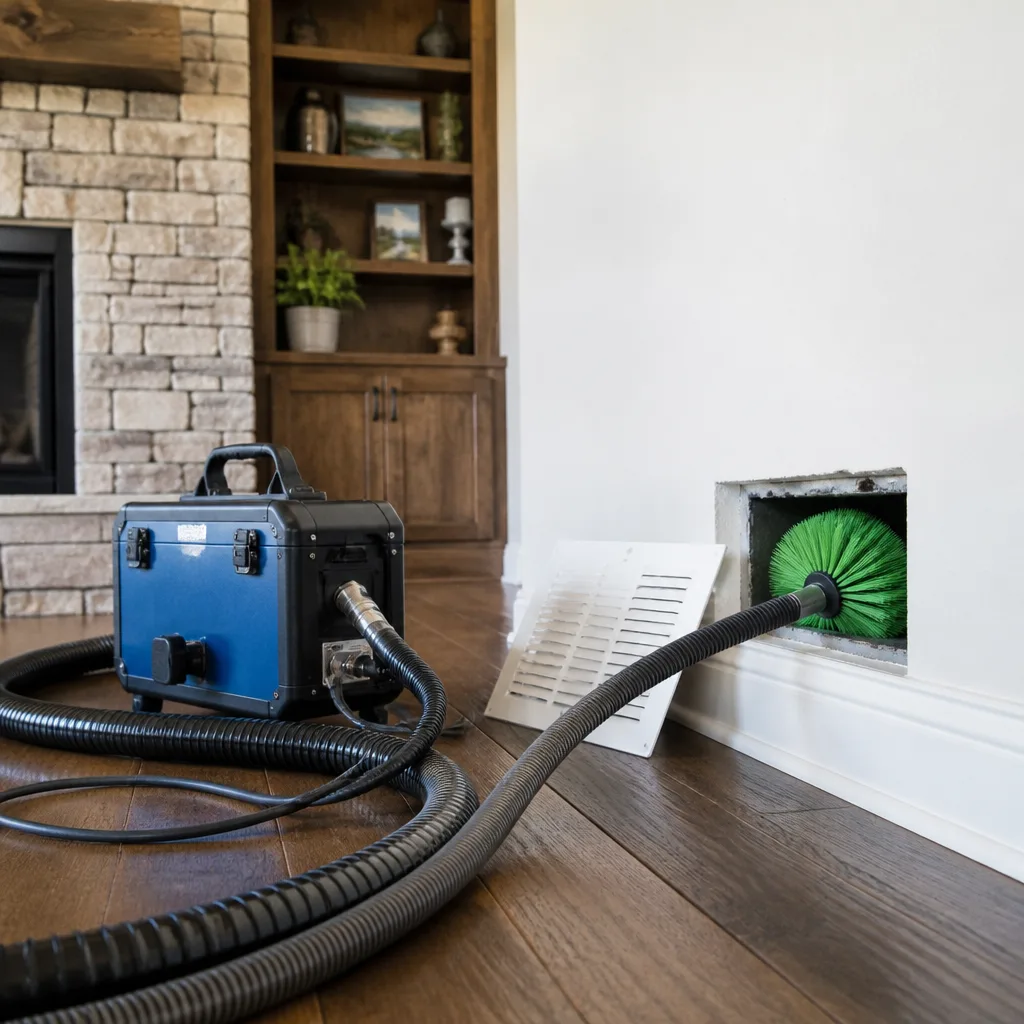 Whole-home duct cleaning
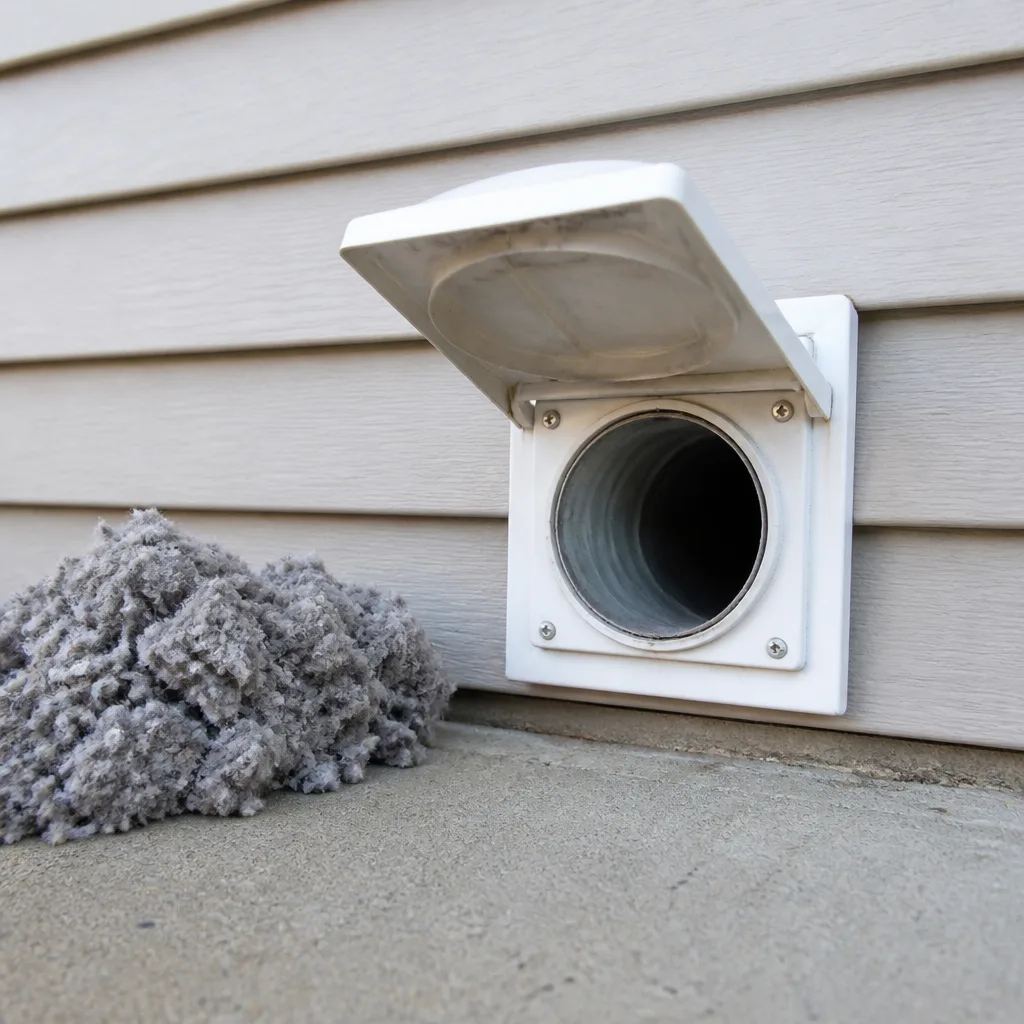 Dryer vent cleaning
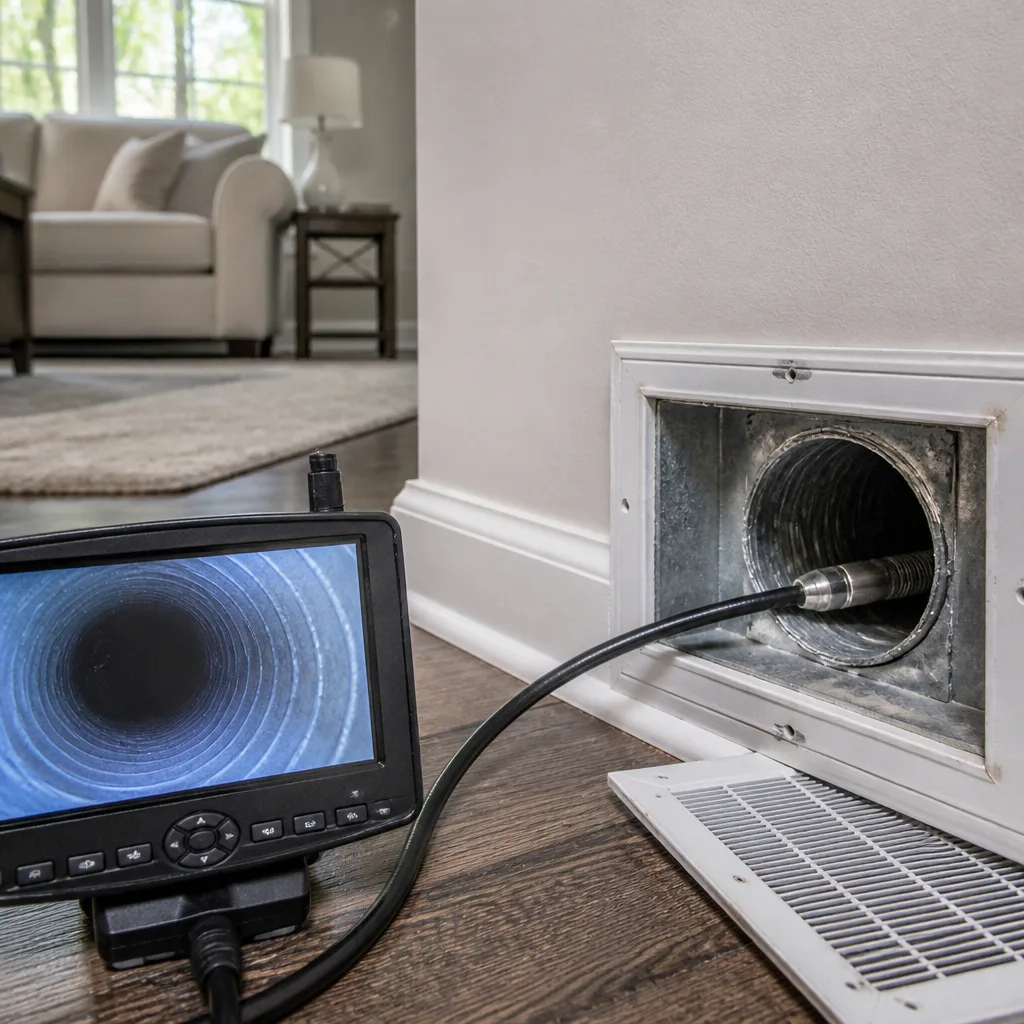 Camera inspection
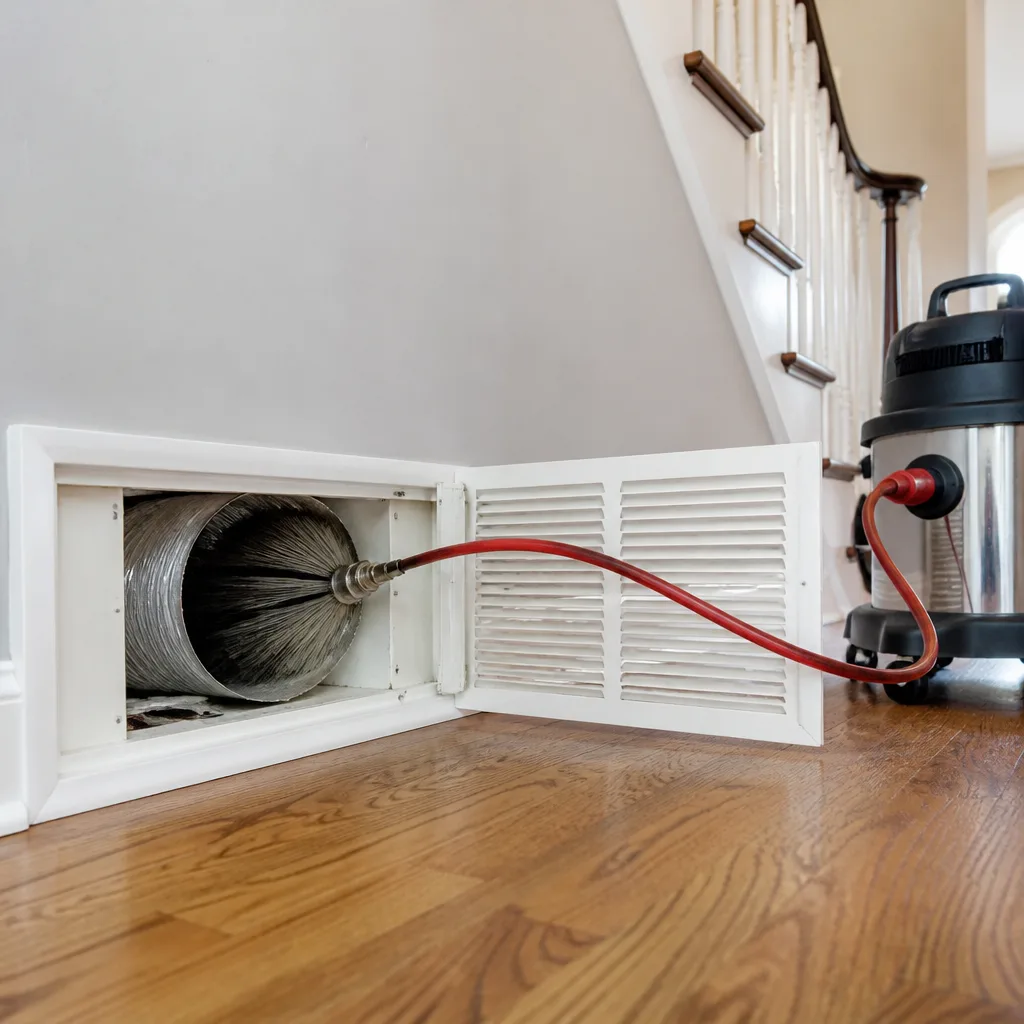 Sanitizing & deodorizing
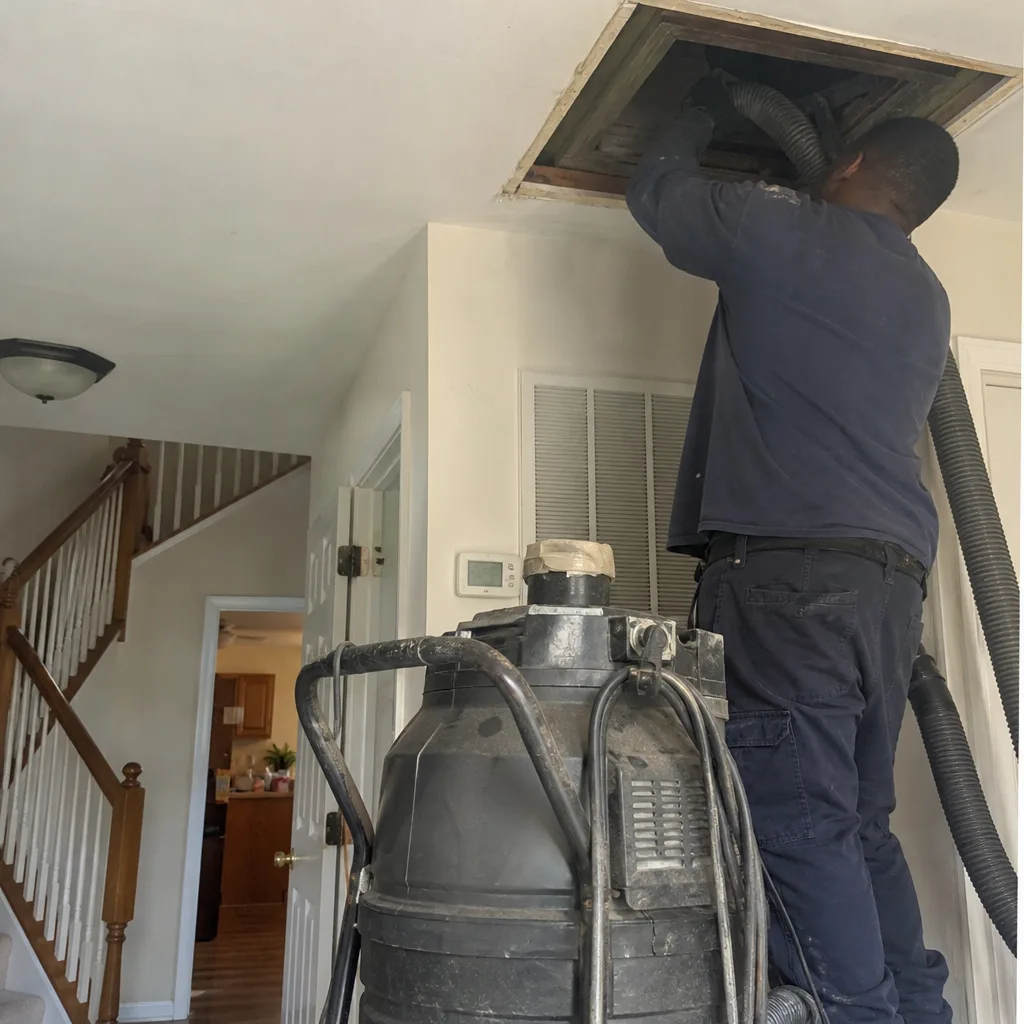
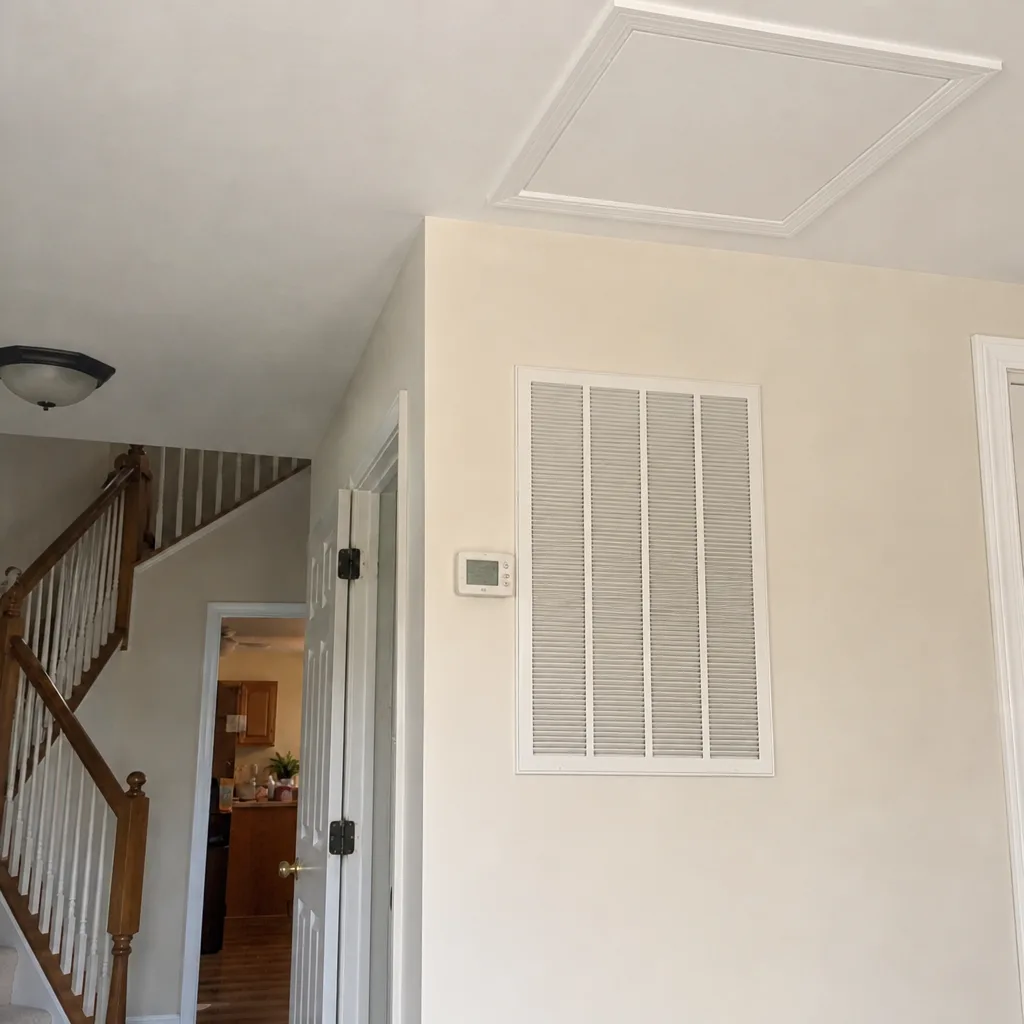
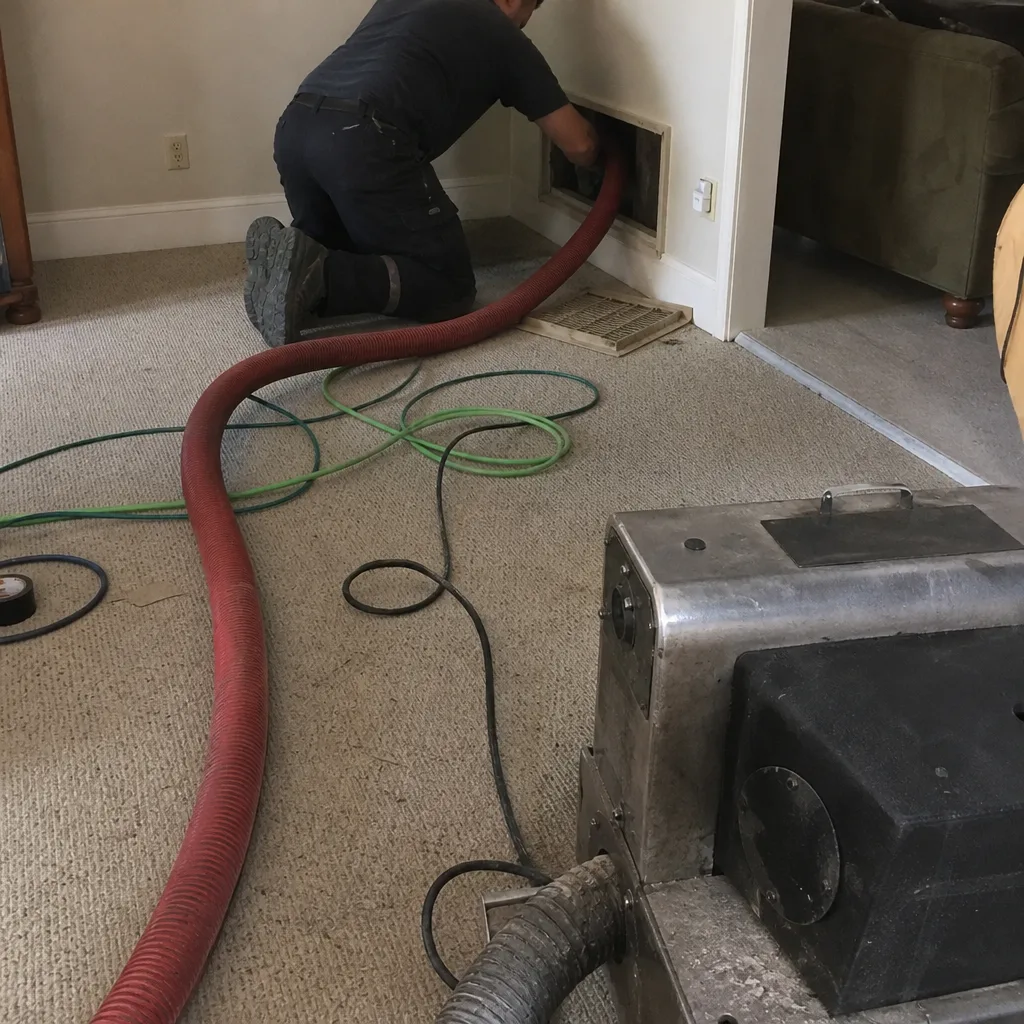
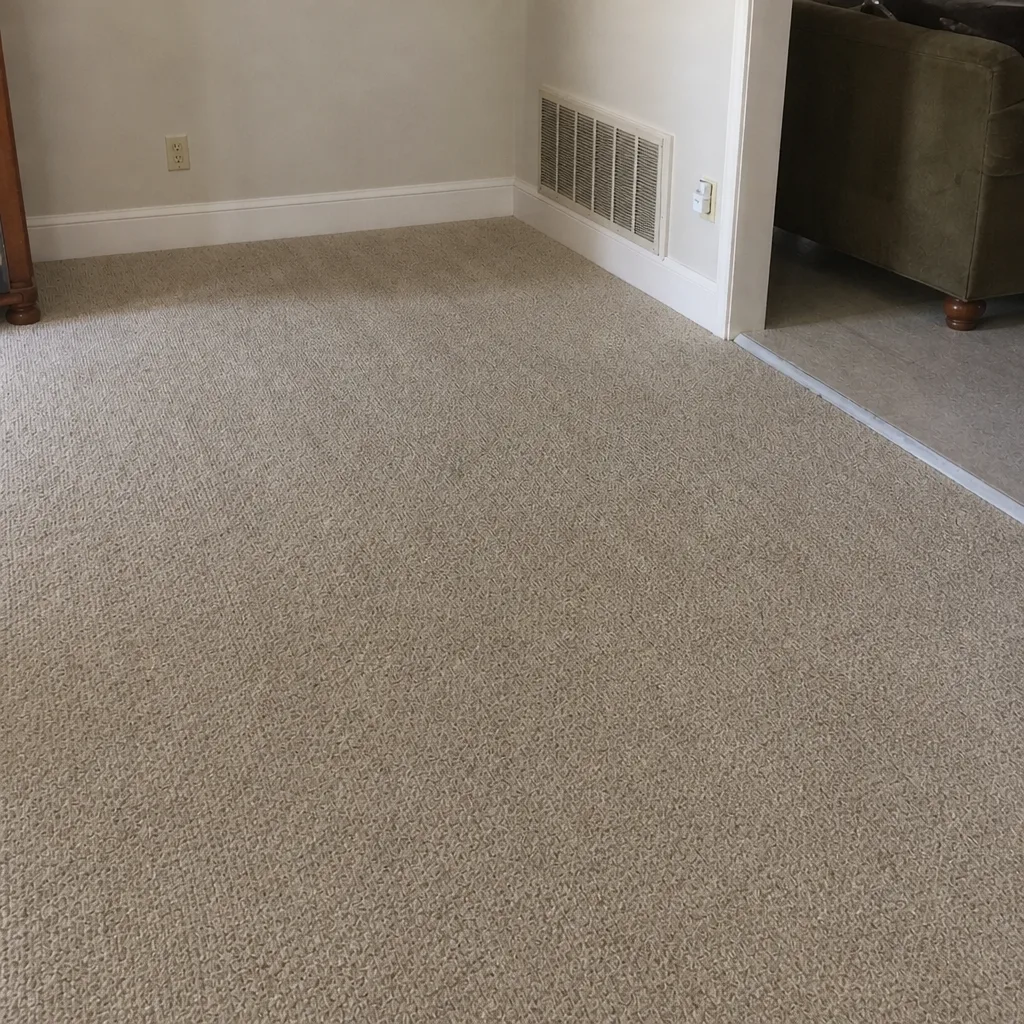
Whole-system duct and dryer vent check with before-and-after photos - you see exactly what came out of your vents
That "$99 whole-house special" is a bait ad - the real number appears once they are in your hallway, or the "clean" is a shop-vac at the register. We photograph the inside of your ducts before and after instead.
Air Duct Cleaning Cost Breakdown: The Hampton Homeowner’s Reference for 2026
Two Hampton homes of identical square footage can receive duct cleaning quotes that differ by $300 or more, and both quotes can be entirely fair. The difference is almost never profit margin. It’s duct system complexity that most homeowners have never been shown how to assess: how many registers feed the system, what the ducts are made of, whether the trunk line is buried in a crawlspace, and how much contamination has built up over the years. This reference deconstructs every variable that drives the number on a Hampton quote, so you can look at an estimate and know exactly what you’re paying for – and what a vague, lump-sum quote is hiding.
Quick Answer
Air duct cleaning in Hampton typically runs $350 to $900 for a whole-house system, with most single-family homes landing between $450 and $700. That range covers a full mechanical cleaning of the supply and return runs, register and grille cleaning, and before-and-after photos of your own ducts. Larger two-story colonials, homes with multiple HVAC zones, or systems with heavy contamination or accessibility challenges push toward the top of the range or above it. The written estimate you receive before any work starts sets the final price.
Styles & brands we work with
- Whole-home duct cleaning
- Dryer vent cleaning
- Camera inspection
- Sanitizing & deodorizing
Table of Contents
- The Five Cost Drivers That Explain Every Hampton Quote
- What Professional-Grade Equipment Actually Means for Your Price
- Hampton Market Price Ranges by Home Type
- Add-On Services Decoded: Justified Line Items vs. Upsell
- How to Use a Quote to Audit a Contractor
- What a Proper Cleaning Job Looks Like, Step by Step
- When Duct Cleaning Is Worth It in Hampton, and When It Isn’t
- Common Mistakes to Avoid
The Five Cost Drivers That Explain Every Hampton Quote
Every legitimate duct cleaning price in Hampton is built from the same five variables. Understand these and you can predict your quote within $100 before anyone sets foot in your house.
1. Register Count
This is the most direct driver. Each supply register and each return grille represents a duct run that has to be individually cleaned. A 1,500-square-foot ranch might have eight supplies and two returns. A two-story colonial of the same footprint can have fifteen supplies and three returns across two zones. More registers means more time, more hose work, and more equipment cycling. This is why square footage alone is a poor predictor of price – the duct system layout matters more than the floor plan.
2. Duct Material Type
Sheet metal ducts respond well to rotary brush cleaning. Factory-made flex duct calls for lower-pressure tools and careful handling because the inner liner tears easily. Rigid fiberglass duct board requires still another approach, and older homes sometimes have a mix of all three. Each material has a cleaning method that won’t damage it, and the method affects labor time.
3. System Accessibility
In Hampton’s older neighborhoods, ducts often run through crawlspaces and tight chases. Accessibility determines how much time technicians spend gaining entry, setting up equipment, and reaching every run. A system with a clean attic run and a central trunk line on the main floor is faster to service than one where half the supply runs are buried in a tight crawl.
4. Contamination Severity
A system cleaned several years ago mostly carries surface dust. A system that hasn’t been touched since the 1990s may hold heavy debris, construction dust, or biological growth on the interior walls. Severity changes both the equipment settings and the time required. This is one driver where honesty matters: a contractor can’t judge contamination from a phone call. Anyone quoting a firm price without inspecting the system is guessing.
5. Equipment Required
Basic vacuum-only cleaning can be done with lighter equipment. Thorough mechanical cleaning of a genuinely contaminated system requires a rotary brush system and high-capacity negative-pressure filtration working at the same time. The equipment needed for your job is set by the severity of contamination and the material of your ducts, not by what the contractor happens to own. We explain this distinction in the next section.
What Professional-Grade Equipment Actually Means for Your Price
You may have noticed that duct cleaning quotes in Hampton vary widely even when the job description sounds the same. One of the reasons is equipment. A company running a shop vac and a hose cannot do the same work as a company running purpose-built equipment, and the price reflects both what the tool costs to operate and what it produces in results.
Professional duct cleaning involves two systems working together: mechanical agitation inside the duct and high-capacity negative pressure to capture what the agitation loosens. A Rotobrush rotary brush system is the industry benchmark for the agitation side – it drives a brush through the duct run to mechanically loosen debris from the duct walls rather than just pulling air past it. On the capture side, Abatement Technologies air filtration equipment is the standard in professional indoor air quality work, because it holds a true negative pressure on the system so dislodged contamination leaves the house instead of settling back into your rooms. Nikro industrial equipment handles the heavier restoration-grade work.
So what does that equipment cost to run per job? You won’t see a line item for it on your estimate, but it shows up in the price of any contractor who uses it: the machines cost well into five figures, they require maintenance and filter replacement that runs into real money per job, and they need technicians trained to operate them. A company using a repurposed shop vac has almost none of those costs, which is why its quote can come in hundreds of dollars lower. The question worth asking yourself is whether the lower quote is buying you a real cleaning or a surface vacuuming.
Why We Invest in the Equipment
We clean ducts. That’s it. We’re very good at it. Duct cleaning is a dedicated craft here, not an add-on to an HVAC service call, which is why our toolkit is purpose-built for the job. Our technicians have up to 8 years of experience operating this equipment, and they’ll show you what they found inside your ducts as they work. If you want the background on how this fits into a full home air quality picture, our Duct Cleaning Hampton page covers it.
Hampton Market Price Ranges by Home Type
Square footage tells you less than housing stock. Hampton’s housing runs from 1950s brick ranchers to 1980s two-story colonials to new construction, and each generation of home carries a distinct duct system with distinct cleaning needs. Here’s how the typical estimate ranges break down.
- 1950s brick ranchers and older homes with crawlspace ductwork: $400 to $750. These homes often have sheet metal trunk lines with a mix of runs, some in tight crawlspace. Accessibility is the main variable, and contamination tends to be heavier because the system has been in place longer. Some have been retrofit with flex in places, so the cleaning method has to adapt run by run.
- 1980s two-story colonials with zoned systems: $550 to $900. Two HVAC zones mean two air handlers and two separate duct systems to clean, with register counts that can reach fifteen to eighteen across both floors. This is where register count pushes the range up. A single-zone colonial of the same size lands lower.
- Newer construction with factory flex duct: $350 to $600. Flex duct is generally easier to access and clean, but it needs lower-pressure tools and careful handling to protect the inner liner. Newer systems often show mostly construction dust and settling dust, so contamination severity is lower and the job moves faster.
- Condos and townhomes: $300 to $550. Fewer registers and shorter runs. The price floor here is set by setup and equipment mobilization more than by the cleaning itself.
These are typical ranges for a whole-house cleaning, not per-vent pricing. Anyone quoting per vent will give you a low teaser number and a larger invoice once the technician is on site. One flat price per system, agreed before any work begins, is the structure that protects you.
Add-On Services Decoded: Justified Line Items vs. Upsell
Add-ons are where duct cleaning quotes get complicated, and where the reputation of the trade gets made or lost. Some add-ons are genuine value. Others are padding. Here’s how to tell them apart.
Duct Sealing: Usually Justified
If your ducts leak – and many do, particularly at joints in older sheet metal systems – sealing the leaks after cleaning keeps the clean air going into your rooms instead of into the crawlspace. System familiarity with brands like Honeywell and Aprilaire helps here, because sealing sometimes pairs with balancing or filter upgrades that need to work with your existing controls. This is a real line item when a leak is actually present, and a technician should be able to point to where the leaks are.
Antimicrobial Treatment: Sometimes Justified
Antimicrobial treatment is justified when there is confirmed biological growth inside the duct system – visible in the before photos – and not merely as a precaution. A technician who can’t show you the growth is selling you a treatment without a diagnosis. If there’s growth, this is a legitimate add-on. If there isn’t, it’s an upsell.
UV Sanitation: Conditional
UV systems work at the coil and in the air handler, not through the length of the duct system. They can be a real addition for moisture control or coil sanitation, but they’re not a substitute for cleaning. UV is worth discussing when there’s a moisture problem the technician can identify. Sold without that context, it’s a box on an invoice.
Air Filters and Purifiers: Where Brand Matters
Upgrading to a true whole-house filter or purifier – Aprilaire systems are common for this, and Honeywell systems are widely used – is a meaningful add-on when the current filter is undersized for the house or the return air is bypassing filtration. The value here depends on the filter actually sealing to the system, which is a fitting question, not a shopping question. Ask any contractor offering this whether they’ll show you the fitting before installing.
Protective Finishing: Guardsman
After cleaning, protective finishing products – Guardsman products are the familiar name here – help maintain duct integrity and slow re-contamination on interior surfaces. This is a detail-oriented step many competitors skip. It’s worth the conversation, and if a contractor offers it, ask what it protects and where it’s applied. A contractor who knows the answer has done this before.
How to Use a Quote to Audit a Contractor
Once you understand the five cost drivers, a quote becomes more than a number. It becomes a document you can audit. Here’s how to read one.
What a Legitimately Detailed Quote Looks Like
- States the register count for supplies and returns individually
- Names the cleaning method for each duct material in the home
- Lists the equipment that will be used on site, by name
- Notes accessibility conditions if any exist (crawlspace, attic, tight chases)
- Describes contamination findings from an actual inspection
- Lists each add-on separately with the reason it’s recommended
- Provides one flat price for the whole system, in writing, with the scope stated
- Notes that before-and-after photos of your own ducts will be provided
What a Lump-Sum Quote Hides
A quote that says “whole house duct cleaning – $299” tells you nothing you can evaluate. It doesn’t tell you the register count, the method, or the equipment. It can’t, because the contractor hasn’t inspected the system, and it usually means the price will grow once the technician arrives. When you get a quote, ask which of the five cost drivers apply to your home. A contractor who can name them has evaluated your system. One who can’t hasn’t.
Questions to Ask Before You Sign
- How many supplies and returns will you clean?
- What equipment will you bring, and how does negative pressure get held on the system?
- Can I see photos of the ducts before and after?
- What add-ons are you recommending, and why for my specific system?
- Is this one flat price for the whole system, or is there anything that could be added later?
- When was my system last cleaned, and how does that affect the method?
If you want to check how a contractor fits into the broader picture for the area, our Hampton page outlines the local service picture.
What a Proper Cleaning Job Looks Like, Step by Step
Knowing the process helps you understand what your money is buying. Here’s the sequence of a typical professional whole-house cleaning.
- Inspection and photos. The technician inspects the registers, visible trunk lines, and air handler, and takes photos before anything moves. Contamination findings drive the method and any add-on recommendations.
- System setup and negative pressure. The air filtration unit connects to the system to hold negative pressure throughout the cleaning. This is what keeps loosened debris inside the hose rather than inside your house. It’s also where professional equipment matters most.
- Mechanical agitation, run by run. A rotary brush moves through each supply and return run to loosen debris from the duct walls. The brush and the pressure work in parallel.
- Register and grille cleaning. Registers and return grilles come off, get cleaned, and go back on. Skipping this step leaves visible dust at the point where air enters the room.
- Air handler and coil area. The accessible areas around the blower and coil get cleaned where the equipment allows. This is where dust tends to accumulate even when the ducts themselves are clean.
- Protective finishing. Where appropriate, Guardsman-type products are applied to help seal the cleaned surface and slow re-contamination.
- After photos and airflow check. Before-and-after photos of your own ducts are provided, and a basic airflow or pressure check confirms the system is running as expected after cleaning.
If your dryer vent is on the same system day, see our dryer vent cleaning page – dryer vents are a separate fire-safety job worth doing on the same visit. For the duct side of the work, our air duct cleaning page goes deeper into the cleaning itself.
When Duct Cleaning Is Worth It in Hampton, and When It Isn’t
Not every home needs duct cleaning every year, and a contractor who says otherwise is selling, not advising. Here’s an honest read on timing.
Signs Your Ducts Need Attention
- Visible dust or debris on the registers and inside the grille when you look
- A musty or stale smell that appears when the HVAC system runs
- A recent renovation, or a home that’s been in place long enough that the ducts have never been cleaned
- Rising energy bills that don’t correlate with usage changes
- Allergy symptoms that seem worse indoors and worse when the system runs
- A pet household, or heavy dust issues in the surrounding area
How Often It Really Needs Doing
For a typical Hampton home, every three to five years is a reasonable interval if the system is well-maintained and the home has normal dust levels. A home with pets, recent construction, or a system that’s never been cleaned may benefit from a cleaning sooner. If you just had it cleaned two years ago and the ducts look fine, a contractor who tells you to wait is giving you the right answer.
When Cleaning Isn’t the Fix
Duct cleaning won’t fix a broken humidifier, a leaky return, a bad blower motor, or poor insulation. Those are air-quality and system problems that need their own diagnosis. If your filter is clean and your registers are clean but your air still feels wrong, the issue is likely upstream of the ducts.
The Hampton Climate Context
Hampton summers run hot and humid, which means a lot of moisture cycles through the air handler and coils over the course of a season. Moisture plus dust is how biological growth gets a start, which is one reason we look closely at the coil area and return plenum on Hampton homes before recommending treatment. Hot, humid months also mean the system stays in continuous use, moving more air and filtering less if the filter isn’t sized right. If the filter access is difficult or the filter is undersized, that’s a conversation worth having during the visit.
Common Mistakes to Avoid
- Picking the lowest quote without reading it. A $199 quote for a whole house tells you nothing about register count, method, or equipment. It’s a teaser, and it usually grows once the technician is on site. Compare the scope, not the bottom line.
- Accepting a lump-sum quote with no register count. If the quote doesn’t itemize what gets cleaned, you can’t verify it after the fact. Always ask for supply and return counts in writing.
- Skipping the before-and-after photos. Photos of your own ducts, taken on site, are the simplest way to know the work was actually done. A contractor who won’t provide them is asking you to take the work on faith.
- Adding UV sanitation when cleaning is the real need. UV systems work at the coil, not through the ducts. If a contractor leads with UV and doesn’t explain why your ducts don’t need cleaning first, the order is wrong.
- Forgetting the dryer vent. Your dryer vent is a fire risk, not just an airflow problem, and it needs its own attention. Duct cleaning and dryer vent cleaning often work best on the same visit.
- Assuming per-vent pricing is the norm in Hampton. Whole-system flat pricing is how a real scope gets measured. Per-vent pricing only makes sense when total register count is known, and by then the price is essentially a flat system price anyway.
- Believing square footage alone determines price. Two Hampton homes of the same size can differ by $300 because of register count, duct material, and accessibility. Ask which drivers apply to your home before comparing quotes.
See the difference
 Before
 After
 Before
 After
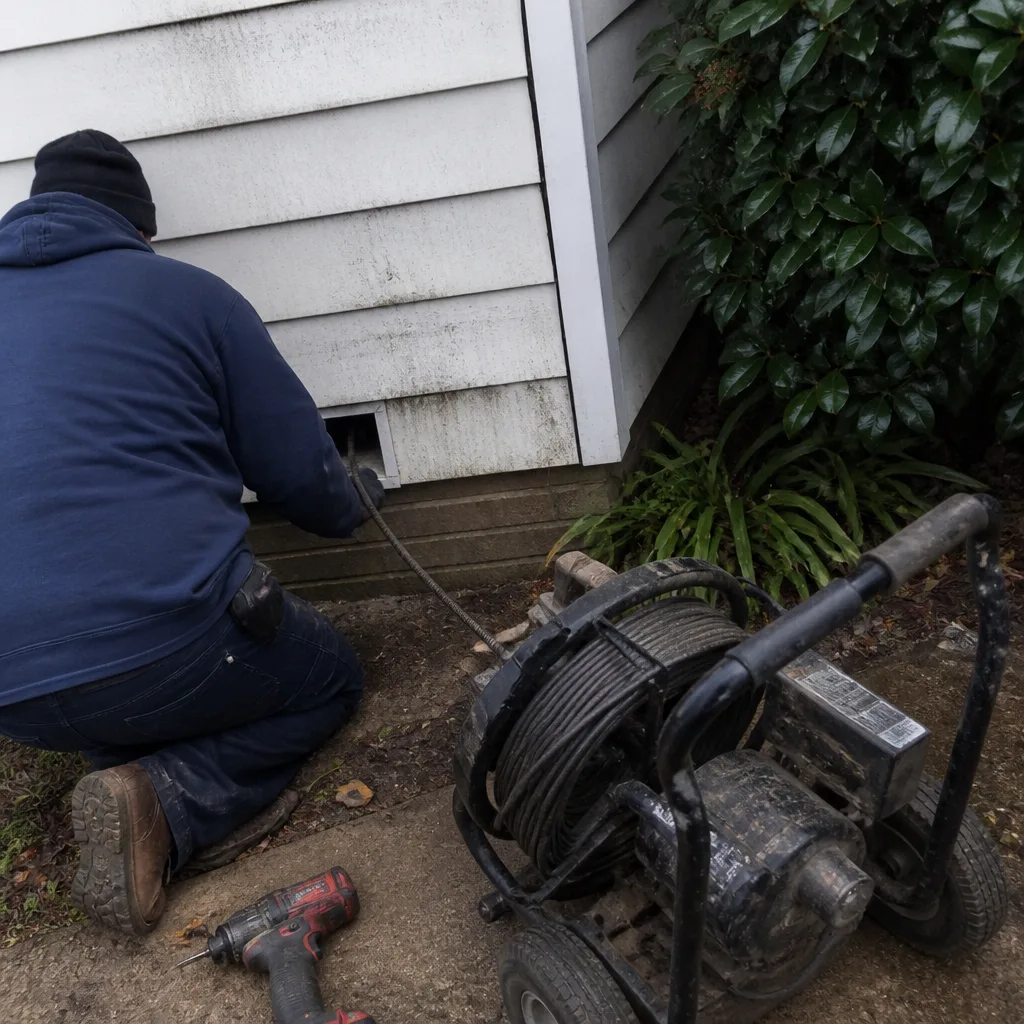 Before
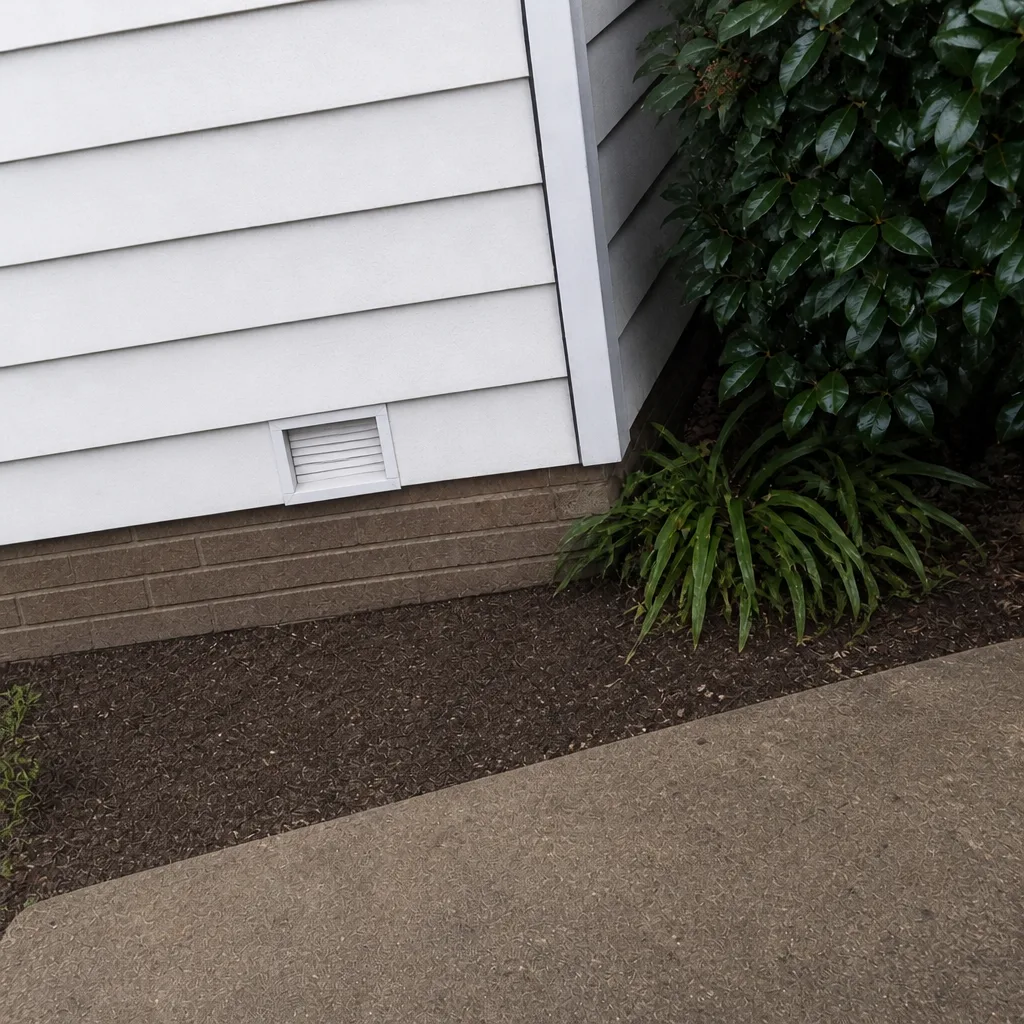 After
When to Call a Professional
Call a professional when you see visible debris on the registers, smell a musty odor when the system runs, or you’ve recently finished a renovation that left construction dust in the system. Call if your ducts have never been cleaned and the home has been through multiple seasons of use without one. Call when you want a straight answer on whether cleaning is needed at all, with an inspection and before-and-after photos as part of the job. Duct Cleaning Hampton offers free estimates in Hampton – call (855) 356-4265. We answer 24/7. Fast dispatch from 7am to 7pm, Sunday through Friday.
Frequently Asked Questions
Most Hampton homes fall between $450 and $700 for a whole-house cleaning, with the full range running $350 to $900 depending on register count, duct material, accessibility, and contamination severity. Condos and townhomes can land lower; larger two-story colonials with two zones land toward the top of the range. The written estimate sets the final price. Call (855) 356-4265 for a free estimate – we answer 24/7.
Usually because they’re quoting a different job than the one you think you’re buying. A low quote often reflects a shop vac and a hose, no negative-pressure filtration, and a register count that doesn’t match your home. The lower number isn’t a better deal if the work doesn’t actually clean the system. Ask what equipment will be on site and how many supplies and returns will be cleaned, then compare scopes, not prices. Call (855) 356-4265 for an honest quote you can audit line by line.
Before-and-after photos of your own ducts, taken on site, are the standard. They show the condition of the runs at inspection and at completion, so you can see what actually changed. Ask for photos before the work starts and confirm you’ll receive them at the end. With one flat price per system agreed before work begins, there’s no incentive to skip steps. Call (855) 356-4265 to book an inspection, and we’ll walk you through what we find.
Every three to five years for a typical home, less often if the system is well-maintained and the home has normal dust levels. Homes with pets, recent renovations, or ducts that have never been cleaned may need it sooner. A contractor who tells you to wait when the ducts look fine is giving you the right answer. Call (855) 356-4265 if you’re unsure and want an inspection before deciding.
Yes, when both need attention. The dryer vent is a fire and safety item with its own risk, and it’s independent of the HVAC ductwork. Combining the two visits means one setup, one appointment, and a full picture of your home’s air systems in a single report. Call (855) 356-4265. We answer 24/7. Fast dispatch from 7am to 7pm, Sunday through Friday.
Register count for supplies and returns individually, the cleaning method for each duct material in the home, the equipment that will be used by name, any accessibility conditions, contamination findings from inspection, each add-on itemized with its reason, and one flat price for the whole system in writing. Anything less is a number you can’t evaluate. Call (855) 356-4265 for a free estimate written in that format.
The Bottom Line
Duct cleaning pricing in Hampton reflects real variables – register count, duct material, accessibility, contamination, and equipment – and a quote you can evaluate is a quote that names each of them. The homes that get the most value from cleaning are the ones where the homeowner compared scopes, not prices, and asked what the technician actually found inside the ducts. The bottom line, in dollars, is honest: expect $450 to $700 for most Hampton homes, $350 to $900 across the full range, with add-ons itemized and justified by what’s visible in your system. Free estimates are available, and we’ll show you what we see before any work begins. Call (855) 356-4265. We answer 24/7. Fast dispatch from 7am to 7pm, Sunday through Friday.
Written by the team at Duct Cleaning Hampton.