
Last updated November 15, 2026
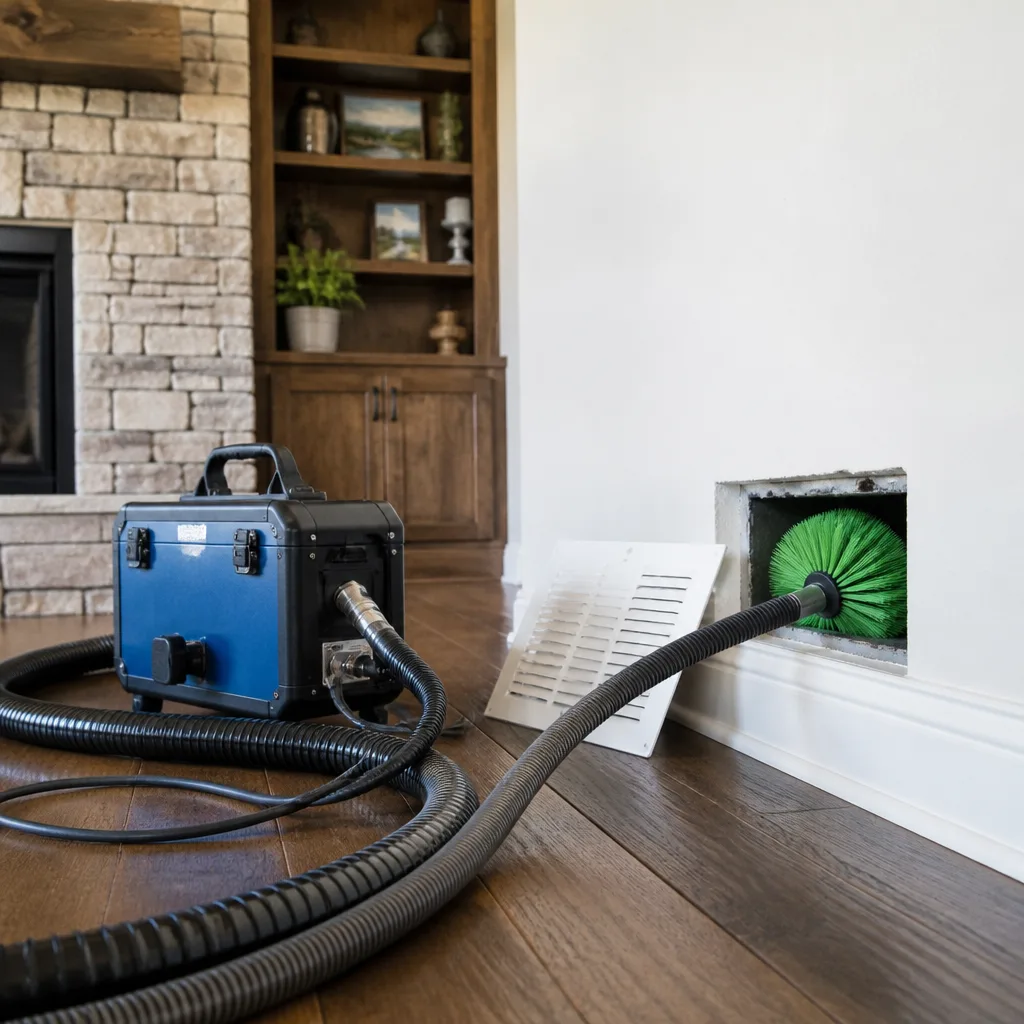 Whole-home duct cleaning
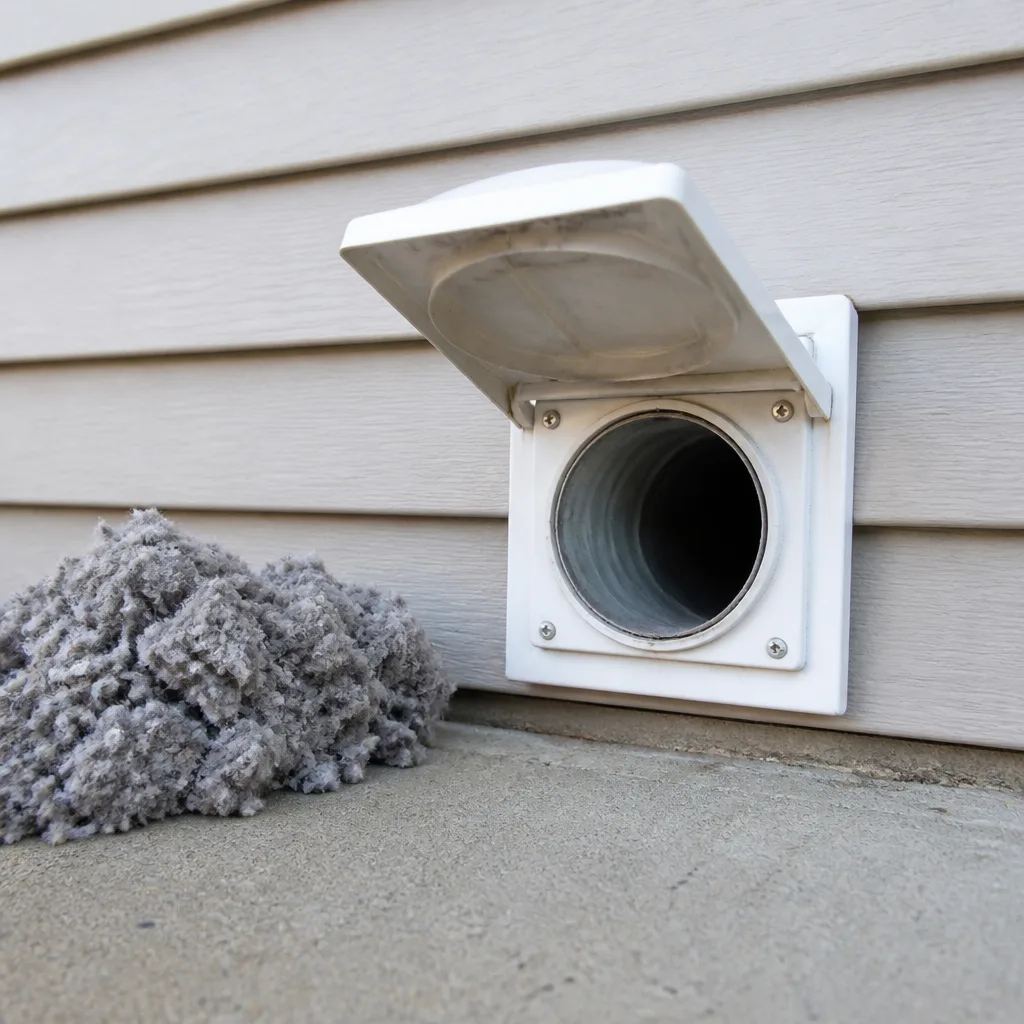 Dryer vent cleaning
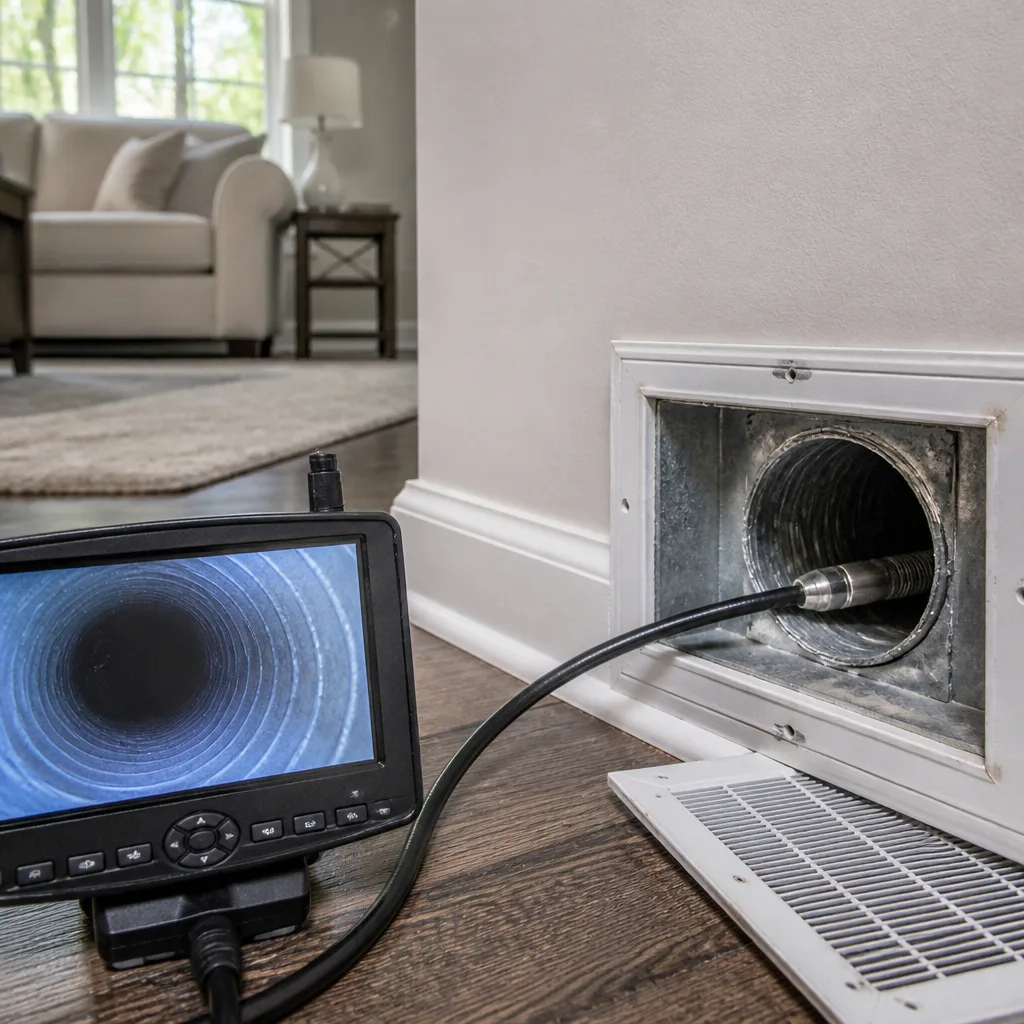 Camera inspection
 Sanitizing & deodorizing
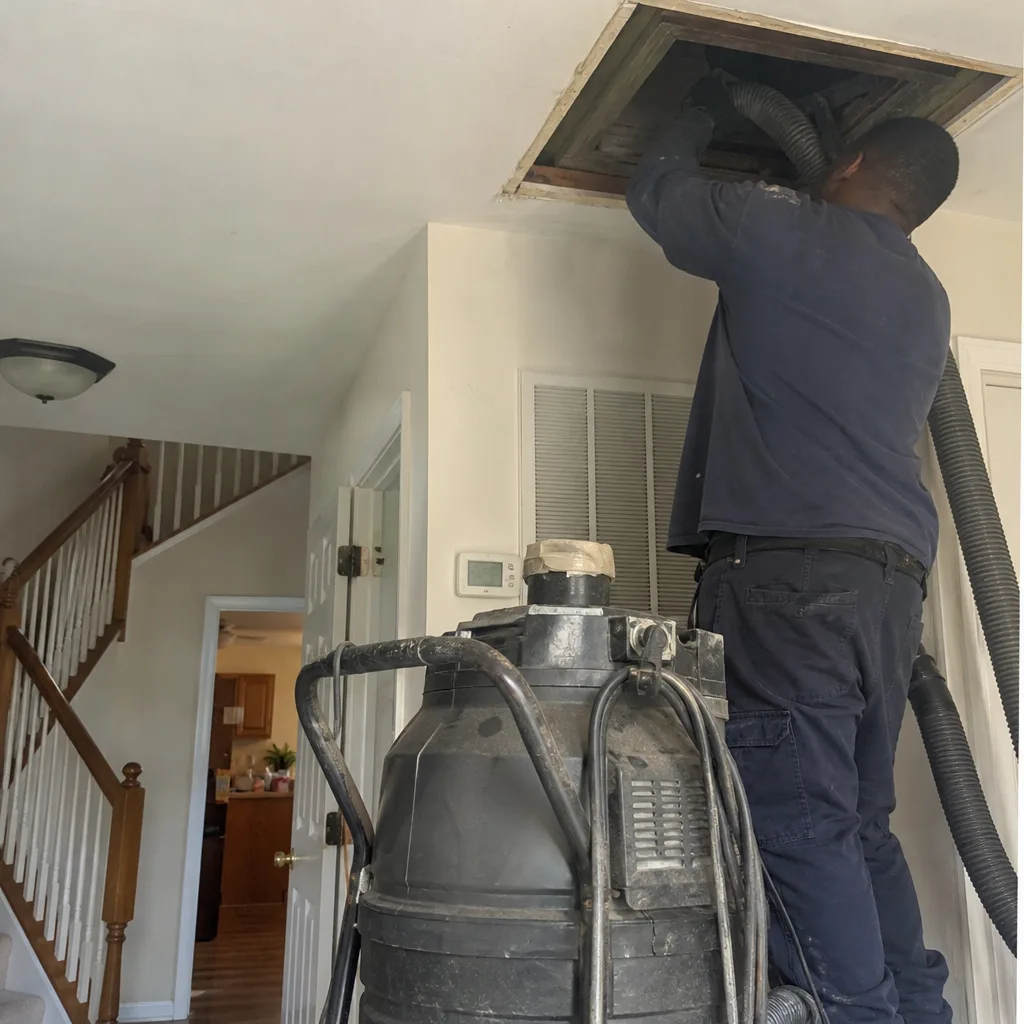
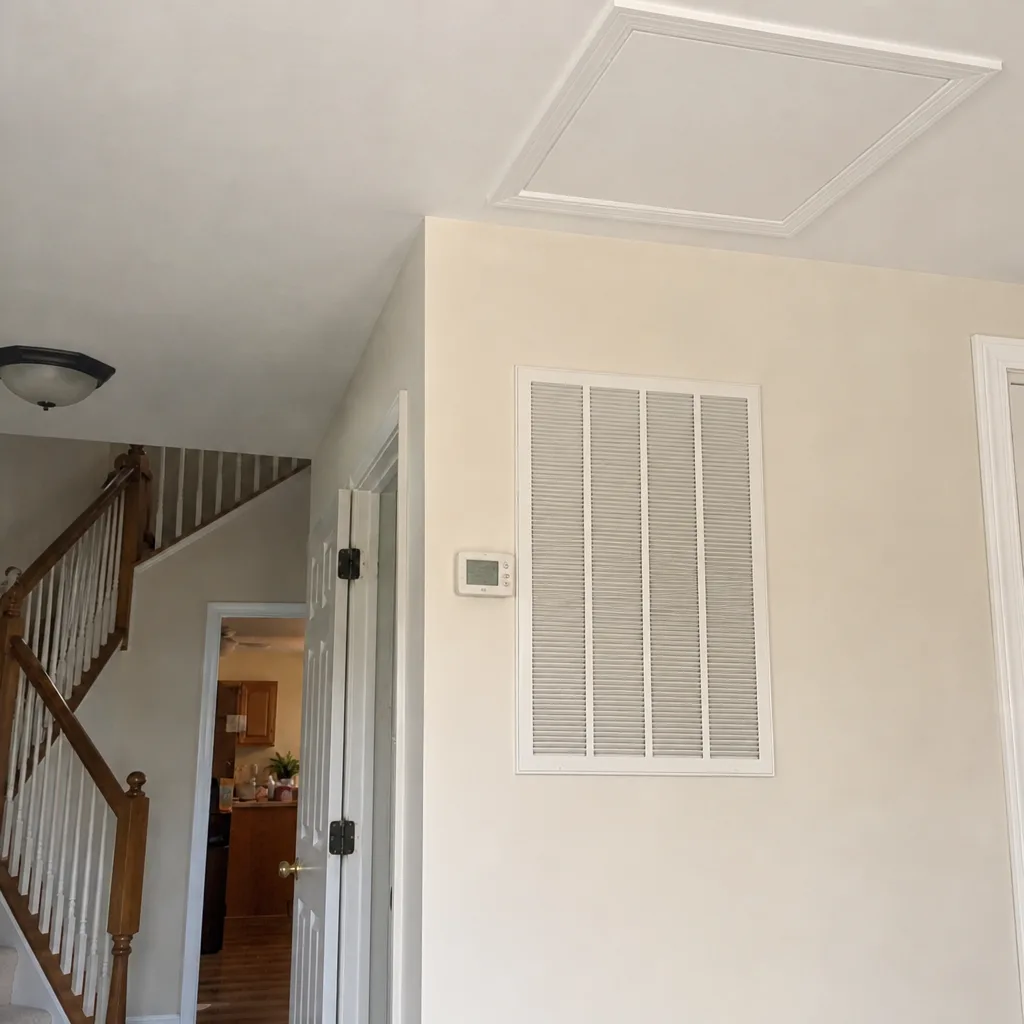
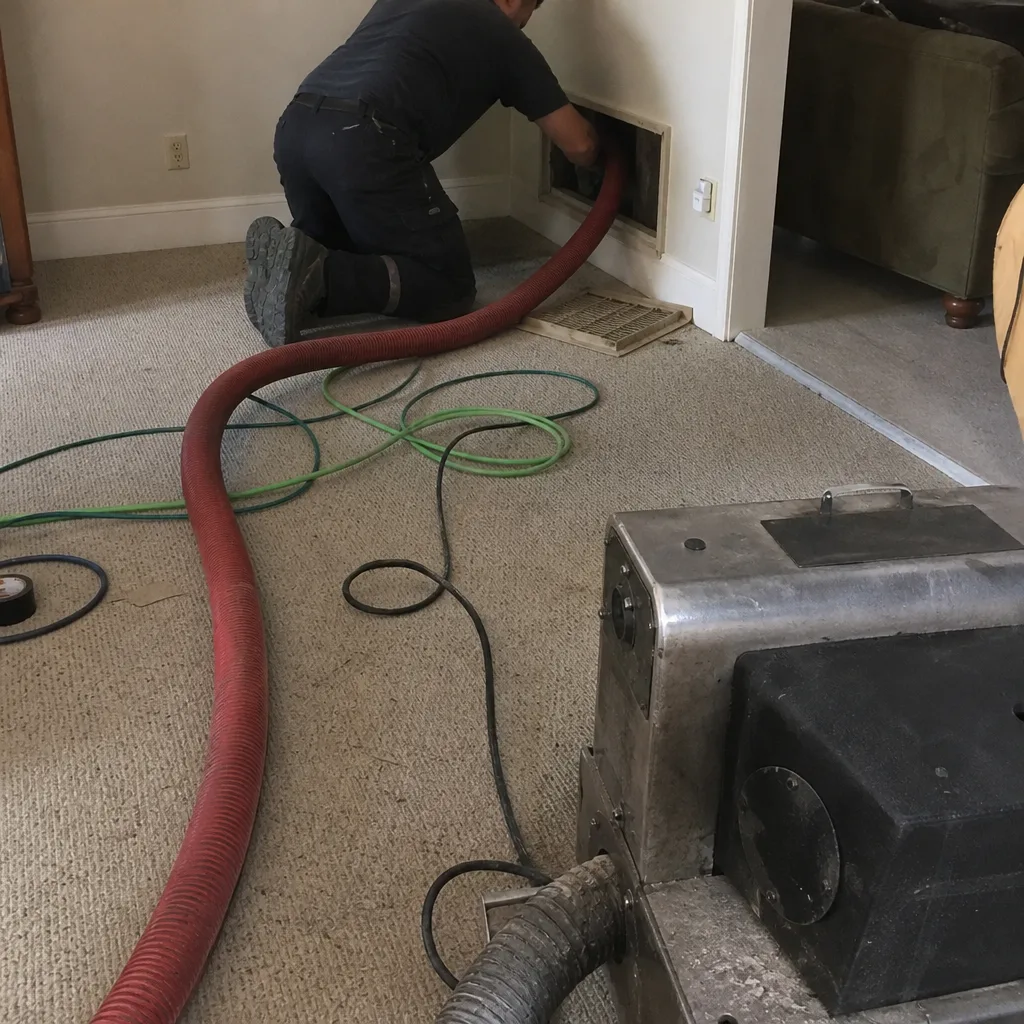
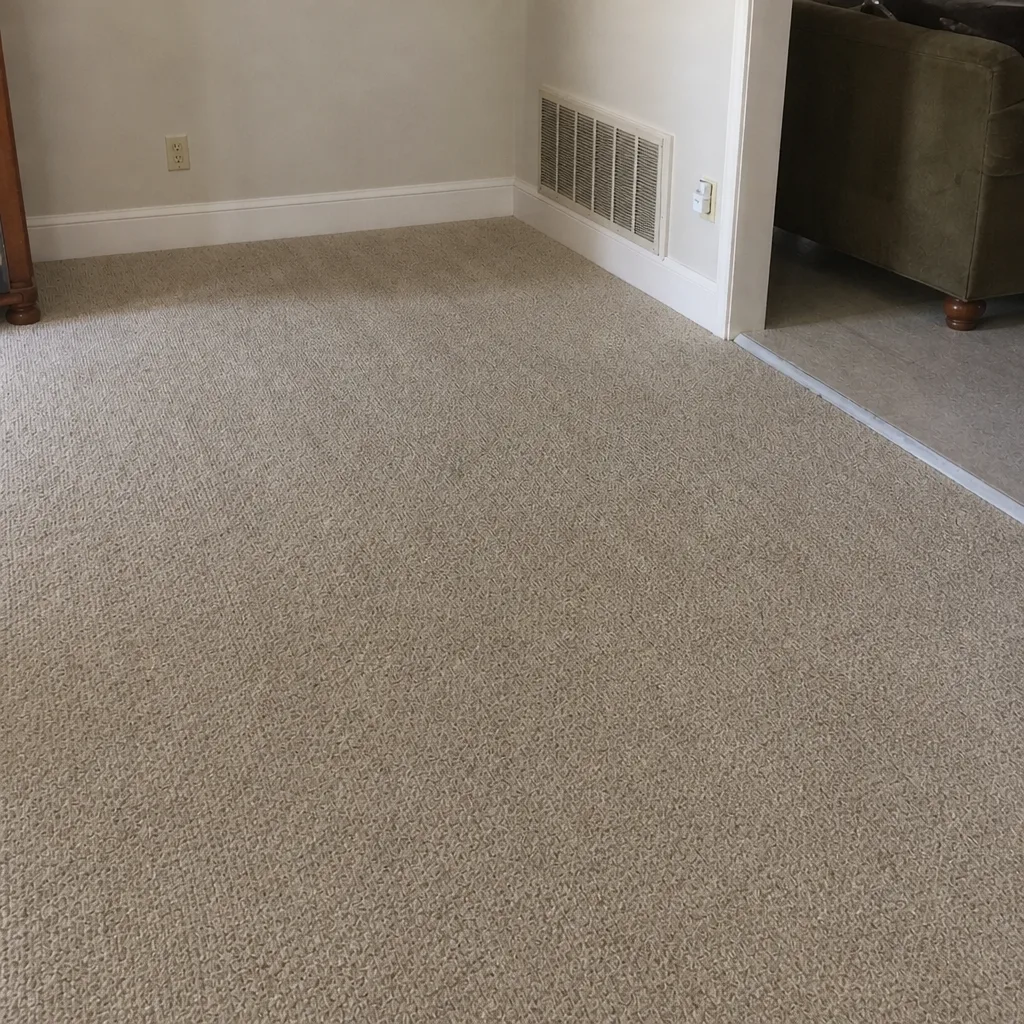
Whole-system duct and dryer vent check with before-and-after photos - you see exactly what came out of your vents
That "$99 whole-house special" is a bait ad - the real number appears once they are in your hallway, or the "clean" is a shop-vac at the register. We photograph the inside of your ducts before and after instead.
Air Duct Cleaning Troubleshooting in Hampton: Common Problems and How to Fix Them
If a room in your Hampton home won’t cool below 78°F no matter what the thermostat says, the problem is almost never the HVAC unit. A struggling system sends most homeowners up to the attic or out to the condensing unit, where they swap a filter or hose down a coil and hope. The actual failure point usually sits deeper, inside the ductwork, where airflow, contamination and mechanical damage converge. That’s the part nobody inspects because it’s out of sight and out of reach. This guide maps the real duct system failures we run into in Hampton homes to their true causes, so you stop paying for the wrong fix and start looking in the right place.
Quick Answer
Most duct problems in Hampton trace back to one of four causes: airflow restriction from buildup or crushed flex duct, leaks and breaches at joints in the attic or crawl space, contamination that returns because the moisture source was never addressed, or an HVAC capacity problem being misread as a duct problem. Diagnosing which one you’re facing first tells you whether cleaning will help or whether you need repair. Wiping vents and swapping filters won’t fix any of them, because none of those failures live at the surface.
Styles & brands we work with
- Whole-home duct cleaning
- Dryer vent cleaning
- Camera inspection
- Sanitizing & deodorizing
Table of Contents
- Duct Restriction vs. HVAC Capacity: How to Tell the Difference
- What Uneven Room Temperatures Actually Tell You
- Why Musty Smells Come Back Weeks After Cleaning
- Finding Duct Breaches in Hampton Attics and Crawl Spaces
- Dirty Ducts vs. Contaminated Ducts: Different Diagnosis, Different Tools
- Static Pressure Symptoms You Can Observe Yourself
- When the Problem Isn’t the HVAC Ducts at All
- Common Mistakes to Avoid
Duct Restriction vs. HVAC Capacity: How to Tell the Difference
A duct restriction and an undersized HVAC unit produce the same complaint: the house doesn’t get cool enough. The repair is completely different, though, and this is the single most expensive misdiagnosis in residential HVAC. An HVAC technician sizing a replacement unit looks at load calculations, square footage and insulation. He isn’t looking inside the ducts, so a crushed flex run or a plenum choked with debris looks like a capacity problem from where he’s standing.
Here’s how to distinguish them from your own living room:
- Restriction signal: The system runs a normal cycle length but the supply registers feel weak. Airflow is present, just not strong, and it’s weakest at the ends of the longest runs.
- Capacity signal: The system runs continuously and never satisfies the thermostat, and when it does shut off, warm air creeps back within a few minutes.
- Restriction signal: Some rooms get plenty of air while one or two barely move. A capacity problem is felt everywhere at once.
- Restriction signal: You hear a hiss or whistle at a register, or a rush of air at the return. That’s pressure escaping through a tight point.
In Hampton’s older housing stock, we regularly find runs that were pulled tight around a bend during an attic reconfiguration and never straightened. The duct isn’t dirty; it’s pinched. No amount of cleaning will restore airflow to a run that has been physically collapsed. That’s a repair job, not a cleaning job, and knowing which you have saves you real money. When you’re ready for a professional look inside, air duct cleaning begins with an inspection of exactly these failure points before anyone touches a tool.
What Uneven Room Temperatures Actually Tell You
Uneven temperatures are the most common complaint we hear in Hampton, and the most commonly misattributed. Homeowners assume the register was placed in a bad spot, so they close other vents to force more air into the hot room. That usually makes it worse, because closing registers raises static pressure across the whole system and starves every other branch. Register placement matters, but it’s rarely the root cause. Here’s how to sort the three possibilities:
- Check branch integrity first. If one room is consistently 4 to 6 degrees warmer than the rest, the duct branch feeding it is the prime suspect. A disconnected joint in the attic or a separated boot behind drywall dumps conditioned air into the attic instead of the room.
- Then check for buildup. If two or three rooms on the same side of the house are all slightly warm, and the difference is 2 to 4 degrees, the shared trunk line is probably restricted with lint, dust and debris.
- Then consider register placement. Only if the branch is sound and the trunk is clear does placement become the answer. A register blowing directly into a wall or under a closed door is a common but secondary issue.
Pay attention to which direction the imbalance runs. A room that’s too warm in summer and too cold in winter points to a leak in the branch, since the attic air it’s pulling in is hot in summer and cold in winter. A room that’s simply less pressurized all year is more likely restricted. Both are fixed in the same visit if the technician maps the system first. That’s what the Duct Cleaning Hampton inspection stage is for, and it’s why we photograph what we find inside your ducts before we quote any work.
Why Musty Smells Come Back Weeks After Cleaning
This is the single most frustrating pattern in the trade. A homeowner has the ducts cleaned, the smell lifts for two or three weeks, and then it returns. The cleaning wasn’t inadequate. The moisture source was never found. In Hampton’s humid summers, the interior of the duct system can hold condensation long after the surface looks dry, and mold spores regrow the moment humidity climbs back up. Standard vacuuming doesn’t address that because it removes the visible growth without removing the water it’s feeding on.
This is where equipment choice actually matters. A shop vac and a brush reach the surfaces. Industrial equipment built for contamination control reaches the problem:
- Nikro HEPA extraction pulls fine particulate and biological material from the duct wall without exhausting it back into the living space. It’s the difference between moving a problem and removing it.
- Abatement Technologies air filtration holds the work area at negative pressure so whatever comes loose stays contained. This is the equipment standard in professional contamination remediation for a reason.
- Rotobrush rotary brush systems mechanically break the bond between growth and the duct wall, which surface vacuuming can’t do.
If a musty smell returned after a cleaning, the next visit should include an inspection for the moisture source: a disconnected flex run drawing humid attic air, an unsealed boot in a crawl space, or a condensate pan draining into the wrong place. Cleaning without addressing that is a repeat job waiting to happen. Familiarity with Honeywell and Aprilaire filtration systems also helps, because the right filter and purifier combination can keep the regrowth from starting again once the ducts are clear. Learn more about our full approach to Hampton properties by reading what we actually look for on each visit.
Finding Duct Breaches in Hampton Attics and Crawl Spaces
Hampton homes sit in a climate that punishes duct joints. Hot, humid summers followed by damp springs put constant stress on flex connections, and it’s the taped joints and mastic seals that fail first. A breach of even a finger’s width on the supply side dumps a serious volume of conditioned air before it ever reaches a room. Most breaches are visible without pulling insulation, if you know what to look at. Here’s the check list:
- Tape and mastic that’s peeling or dried out. Look at every joint, particularly where flex run meets the plenum and where two runs branch. Lifted tape is the first sign.
- Sagging flex runs. A run that dips below its support strap is a collapsed run, and a collapse is a restriction even if the duct has no leak.
- Condensation on the exterior jacket in summer. Cold duct, humid attic: if the jacket is sweating, the insulation is compromised or the seal has failed.
- Disconnected boots behind the register. Pull the register grille off and look at the connection. A boot that’s separated from the wall cavity is dumping air into the wall, not the room.
- Crawl space runs sitting on the ground. Ducts in a Hampton crawl space that rest directly on soil pull moisture through the jacket. They should be supported off the ground and sealed at every joint.
Nobody needs to crawl into a tight attic to do this. Look at what’s visible from the access point and check the winter-to-summer temperature swing in each room. If a room is warm in summer and cold in winter, you’ve verified a leak without touching a tool. We work on the system, not just the surface, which means the seal and the run get looked at as closely as the duct interior. For the structural side of this work, see our air duct repair service.
Dirty Ducts vs. Contaminated Ducts: Different Diagnosis, Different Tools
Not every dirty duct needs the same treatment, and treating one like the other is where money gets wasted. A dirty system has visible dust, lint and debris on the duct walls; airflow may be slightly reduced but the system still works. It responds well to a standard mechanical cleaning. A contaminated system has biological growth, excess moisture, or a persistent odor source, and the cleaning alone won’t hold unless the contamination is addressed at the source. The quickest way to sort them is to look at what’s coming out of the registers and what the duct interior looks like in the first two feet past the boot.
Signs that point to a dirty system:
- Dust accumulating on register grilles within a week of wiping.
- Slight reduction in airflow that’s consistent across the house.
- No odor, or only a light dusty smell when the system kicks on.
Signs that point to a contaminated system:
- Persistent musty or earthy smell that doesn’t clear after cleaning.
- Visible dark staining or growth on duct interior surfaces.
- Allergy symptoms that flare every time the system runs and settle when it’s off for a season.
- Moisture or condensation found at any point in the duct run.
The troubleshooting path for a contaminated system needs Abatement Technologies air filtration and Nikro HEPA extraction to contain the biological material, and it needs a moisture inspection as part of the job. A dirty system doesn’t. If the equipment on site is only a shop vac and a brush, the technician is set up to handle the first case and not equipped for the second. It’s worth asking which they’re planning for before you agree to the work. dryer vent cleaning gets the same diagnostic rigor on our jobs, because a partially clogged dryer vent presents as a slow-drying laundry load and is a genuine fire risk underneath.
Static Pressure Symptoms You Can Observe Yourself
You don’t need a manometer to notice a pressure problem, though a technician will use one to confirm it. Static pressure is the resistance the blower works against, and when it climbs too high the unit works harder, uses more energy and delivers less air. Here are the observable symptoms of high static pressure in a Hampton home:
- A whistling or rushing sound at the return grille. That’s air being pulled through a restriction that’s too small for the volume.
- Blower noise that’s grown louder than it used to be. Restriction forces the blower to work harder and increases the noise it makes.
- Filter that loads up in weeks rather than months. High static pressure means the filter is catching more debris in a shorter cycle.
- Rooms closest to the unit cool fast and rooms on long runs don’t cool at all. Air takes the path of least resistance, so the short runs win and the long ones starve.
- Higher energy bills against the same weather as last year. The unit runs longer to reach the same temperature because the airflow restriction is holding it back.
Add these up against the room-by-room pattern we covered above and you’ll have a solid picture before anyone opens an access panel. Our technicians have up to 8 years of experience reading these signs and comparing them to what’s actually in the ducts, and the two rarely disagree. If your own read lines up with the symptoms, the next step is a proper look inside.
When the Problem Isn’t the HVAC Ducts at All
Half the “dust everywhere” and “humidity feels wrong” complaints in Hampton homes turn out to involve the dryer vent, not the HVAC ducts. A clogged dryer vent doesn’t just slow laundry down; it holds moisture in the machine and in the wall cavity it passes through, and it raises lint inside the home. That lint then gets pulled into the HVAC return and adds to the load on the filter. The two systems are physically separate but they share the same air.
Signs to check on the dryer side:
- Laundry takes more than one cycle to dry when it used to take one.
- The dryer body is hot to the touch on the top or side during a cycle.
- Lint is visible around the outside vent flap or on the ground beneath it.
- The vent flap doesn’t open fully when the dryer is running.
This is the one troubleshooting item on the page we’d tell you to take seriously without delay. A restricted dryer vent builds heat inside the duct and a heat source plus a lint source is how dryer fires start. Get it cleared before it becomes a repair. Guardsman products let us finish a cleaning job with a protective treatment that helps duct surfaces stay cleaner longer, and the same protective approach belongs on the dryer vent side after clearing.
Common Mistakes to Avoid
- Closing vents to “balance” a hot room. This raises static pressure across the whole system and starves the rooms you’re trying to help. Fix the branch, don’t fight the balance.
- Assuming a bigger filter means better filtration. A high-MERV filter on an undersized return adds restriction exactly where the system can least afford it. Filter choice should match the system, which is why familiarity with Honeywell and Aprilaire setups matters.
- Cleaning ducts without checking for a moisture source. In Hampton’s humid summers that’s the mistake that guarantees the smell comes back. The water source has to be found, not just the growth it fed.
- Treating a run of flashing as a duct repair. A disconnected flex joint looks fine from the outside; it’s the connection that’s failed. Photographs before and after are how you know what was actually fixed.
- Hiring the cheapest quote without asking what equipment it includes. A shop vac and a brush will handle a dirty duct; a contaminated duct needs Nikro HEPA extraction and Abatement Technologies containment to be done properly. Ask before you book.
- Running the system fan continuously to “clear the air”. With a contaminated duct that just circulates the problem and loads the filter faster. Diagnose first, then run the system.
- Assuming a musty smell means the ducts themselves. Sometimes it’s the dryer vent, sometimes it’s a condensate pan, sometimes it’s an unsealed return in the crawl space. The troubleshooting has to rule these out before any cleaning quote makes sense.
See the difference
 Before
 After
 Before
 After
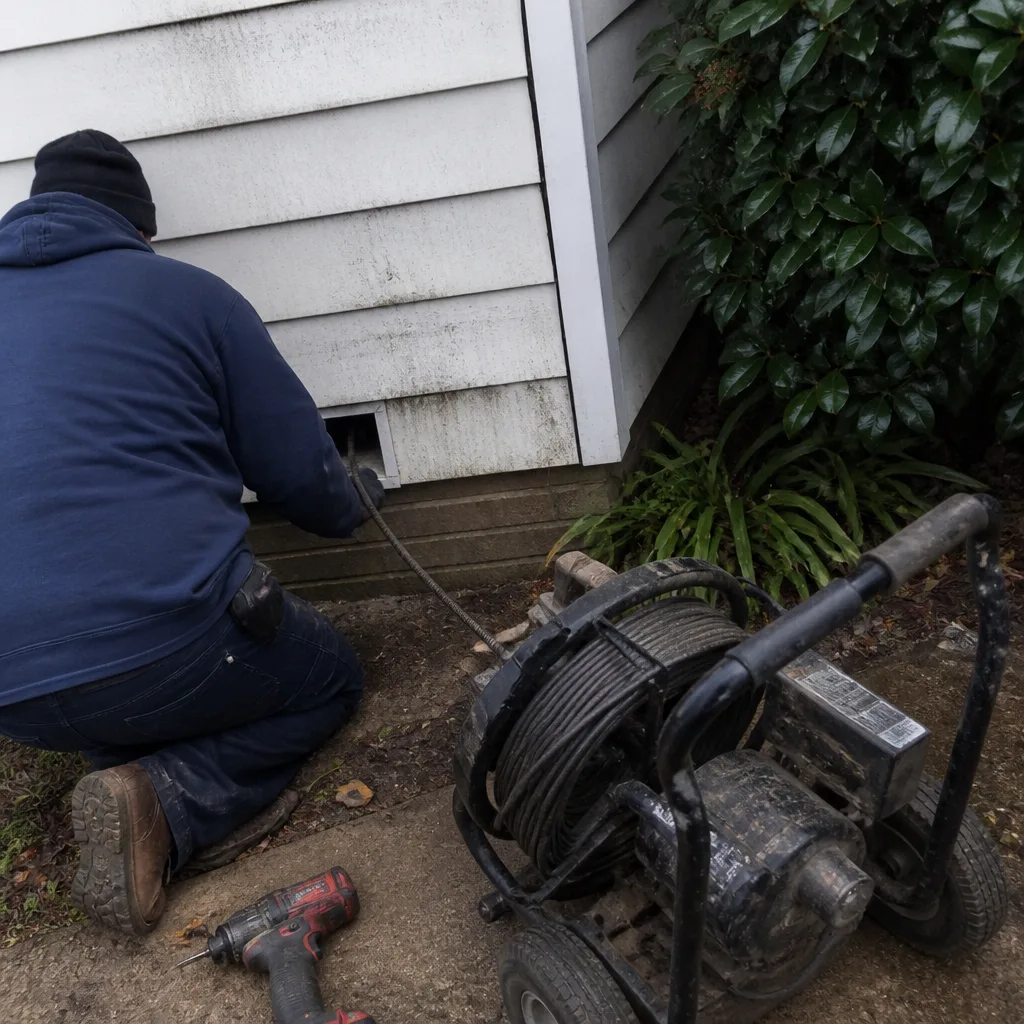 Before
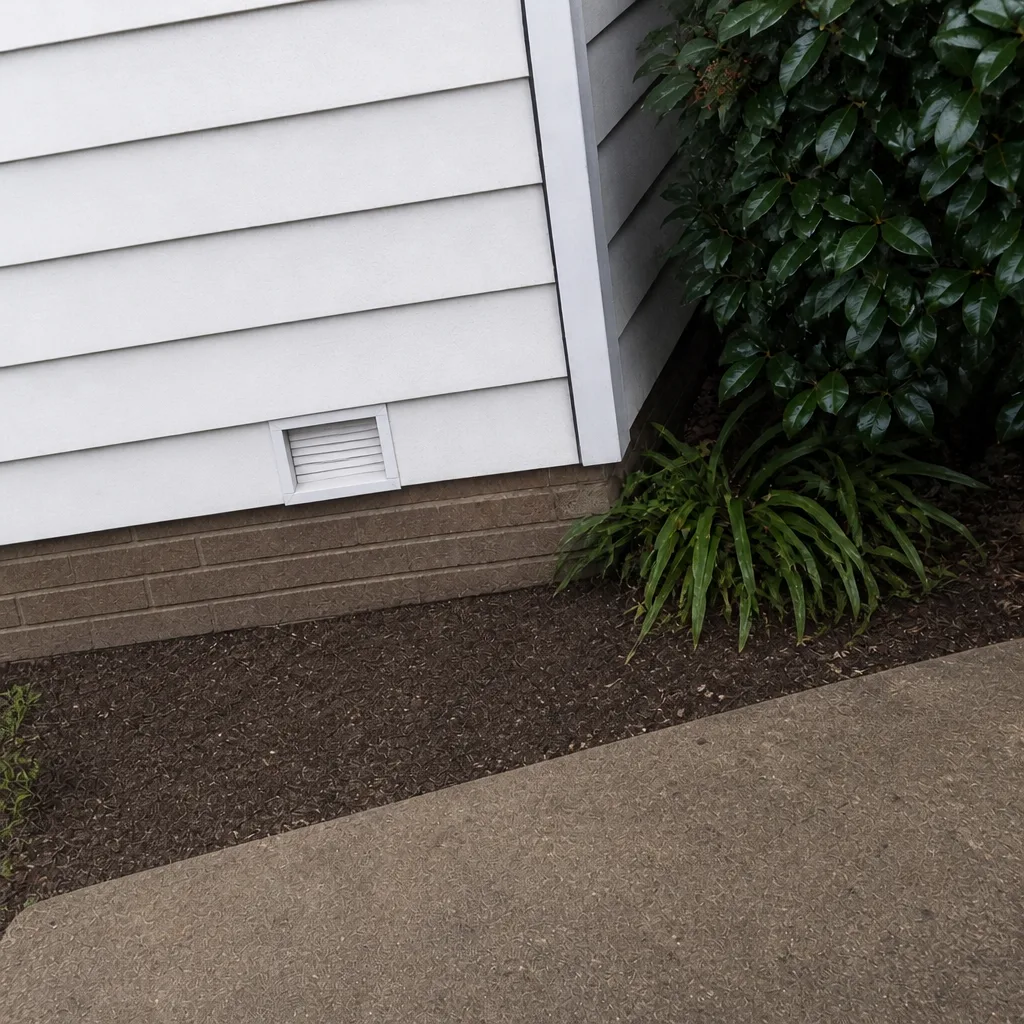 After
When to Call a Professional
Call us when the problem has outgrown the filter swap. That means a room that won’t hit target temperature no matter what you do to the thermostat, a musty smell that came back after someone already cleaned the ducts, visible duct damage or condensation in the attic or crawl space, or airflow that’s clearly weaker at one end of the house than the other. Call immediately if the dryer vent is restricted, since that’s a safety issue more than an airflow one. Duct Cleaning Hampton offers free estimates in Hampton and we’ll tell you plainly whether you’re looking at a cleaning job, a repair job, or an HVAC capacity issue that isn’t ours to fix. Call (855) 356-4265 to book. We answer 24/7. Fast dispatch from 7am to 7pm, Sunday through Friday, closed Saturday.
Frequently Asked Questions
A restriction shows weak airflow at specific registers while the system runs normal cycle lengths, whereas a capacity problem leaves the whole house under-served and the unit runs continuously. If one or two rooms are consistently warm and the rest are fine, suspect a restriction. If every room struggles at once, suspect capacity. Call (855) 356-4265 for an exact quote on the inspection. Estimates are free.
The smell returned because the moisture source that fed the growth was never addressed, and cleaning removes the growth without removing the water. Hampton’s humid summers make this pattern common. A proper follow-up visit checks for unsealed returns in the crawl space, condensation on the duct jacket and disconnected runs drawing humid air, then uses Nikro HEPA extraction to clear the contamination fully. Call (855) 356-4265 to book a moisture inspection, and estimates are free.
Cleaning is enough for a dirty system with sound ductwork. Repair is needed when a run is crushed, a boot has separated behind the drywall, or a joint in the attic or crawl space has failed. A collapsed flex run restricts airflow no matter how clean it is, so cleaning a damaged system is money spent in the wrong place. We inspect the run before quoting, and we’ll tell you which one you actually need. Call (855) 356-4265 for a free estimate.
You can spot the obvious signs without pulling insulation: lifted tape at joints, sagging flex runs, sweating duct jackets in summer and boots that have separated from the register opening. A room that’s warm in summer and cold in winter is the clearest indicator of a leak. Anything beyond visual checking is best left to a technician, particularly in a tight attic or a low crawl space. Call (855) 356-4265 for an on-site assessment.
Dirty ducts have visible dust, lint and debris on the interior walls, and a standard mechanical cleaning resolves them. Contaminated ducts carry biological growth, moisture or a persistent odor source that requires containment equipment like Abatement Technologies air filtration and Nikro HEPA extraction to clear properly. The distinction changes the equipment and the process. Call (855) 356-4265 for an exact quote on whichever applies to your home.
Most residential jobs are completed in a single visit, with the actual time depending on the number of registers, how accessible the attic or crawl space runs are and whether repair work is involved. The written estimate sets the scope and the price per job before we start, so there’s no surprise on the invoice. For before-and-after photographs of what we find inside your own ducts, just ask. Call (855) 356-4265 to book. We answer 24/7. Fast dispatch from 7am to 7pm, Sunday through Friday.
The Bottom Line
The pattern that runs through every troubleshooting case in this guide is simple: the failure that matters is the one you can’t see from the register. A dirty duct, a crushed run, a separated boot and a moisture-fed contamination problem all feel similar to a homeowner and all need completely different work. Diagnose first, then decide. Check the branch, check the joints, check the moisture source, and only then call for a cleaning. If the equipment on the quote is a shop vac and a brush, ask what happens if the ducts turn out to be contaminated, because the answer should be Abatement Technologies and Nikro, not a second quote.
Call (855) 356-4265 for a free estimate. We answer 24/7. Fast dispatch from 7am to 7pm, Sunday through Friday, closed Saturday. We’ll tell you what we find inside your ducts, show you the before-and-after photographs, and set one flat price for the job before any work starts.
Written by the team at Duct Cleaning Hampton.