
Last updated November 15, 2026
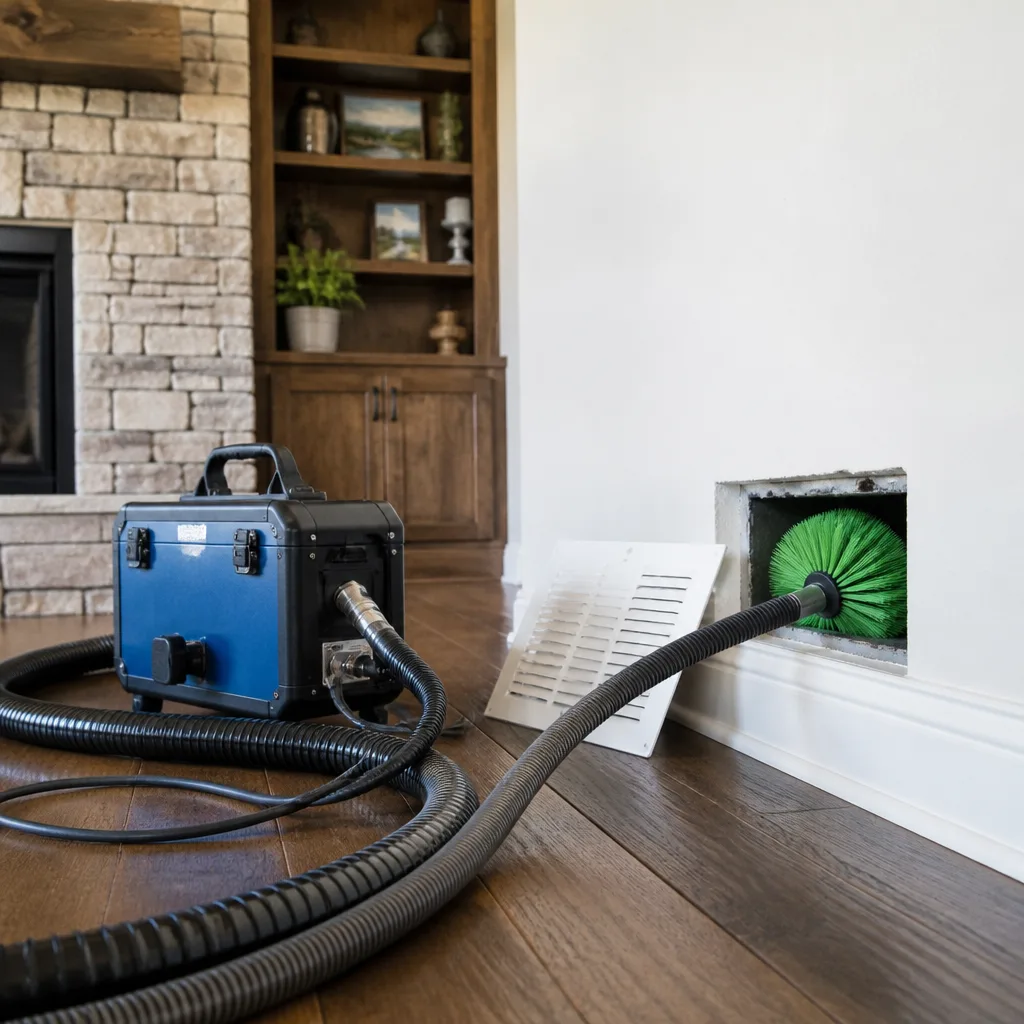 Whole-home duct cleaning
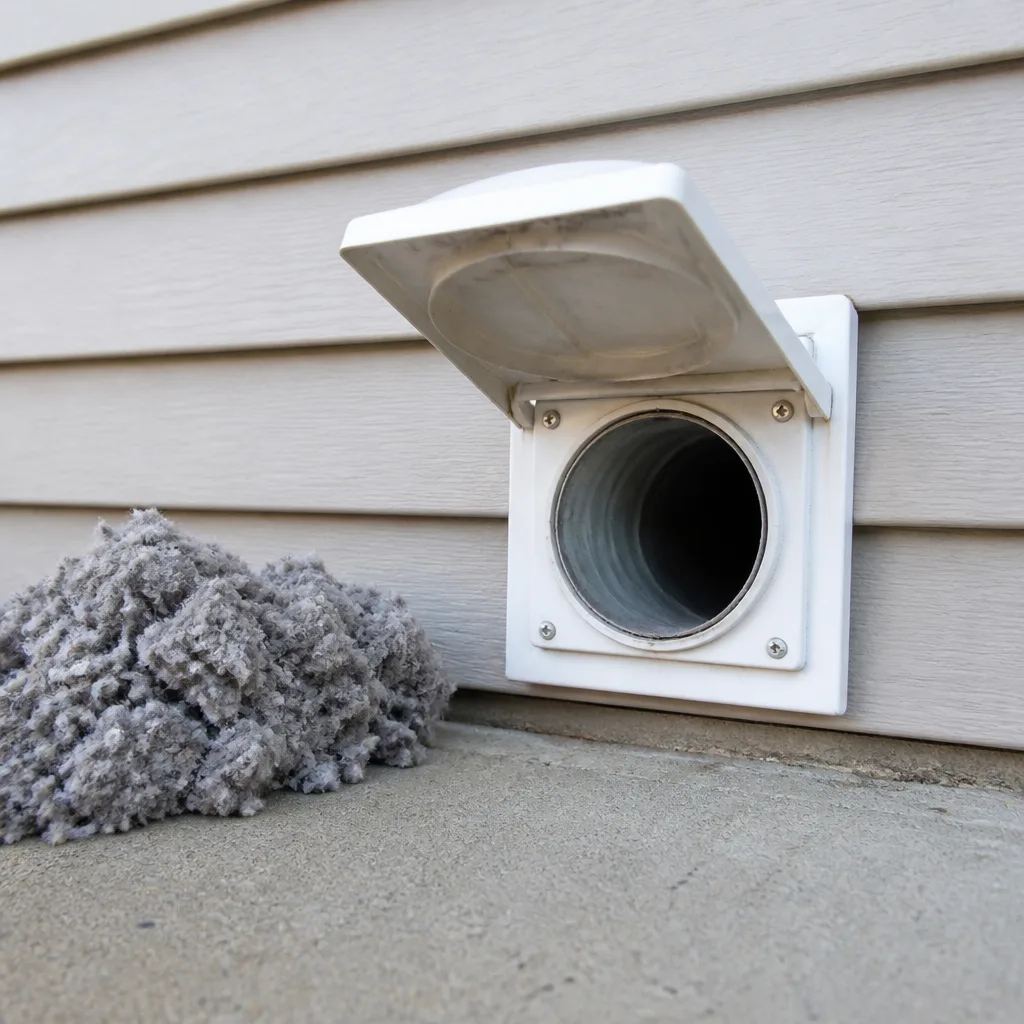 Dryer vent cleaning
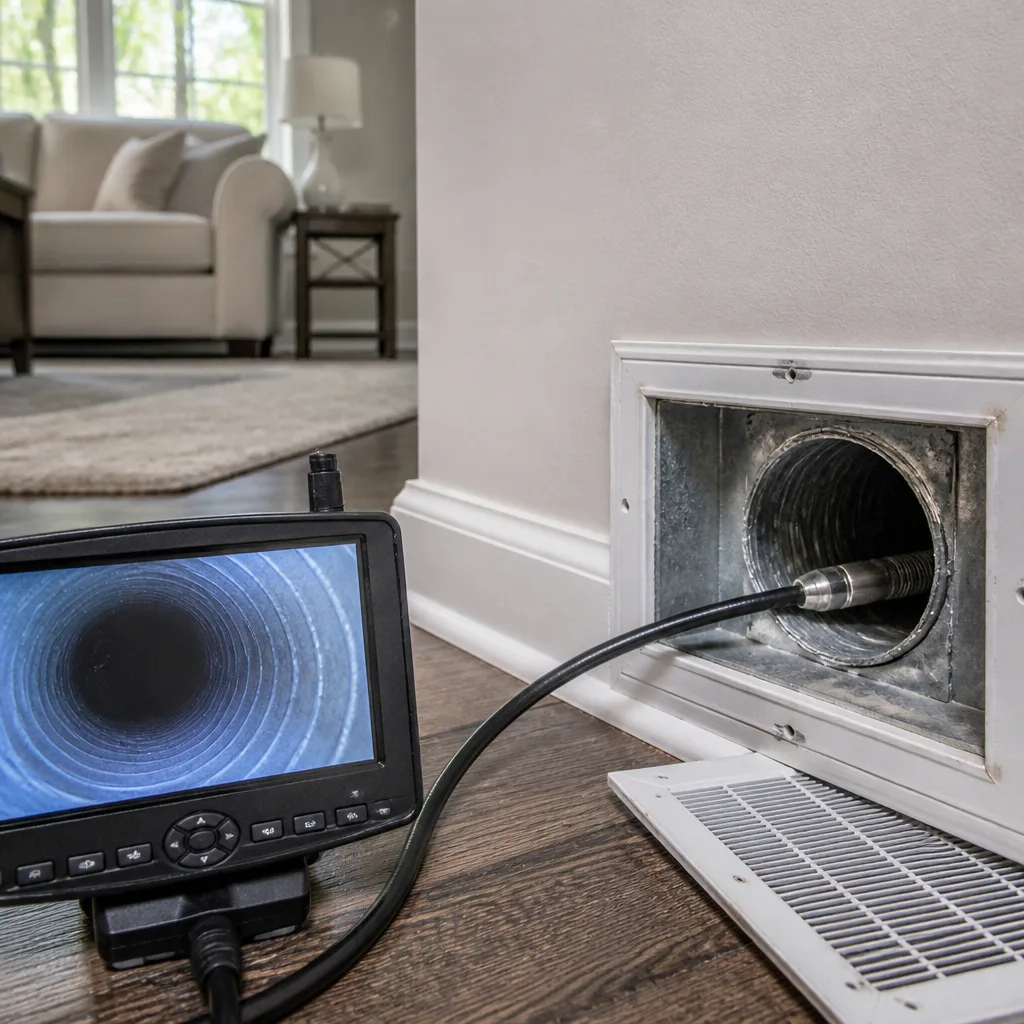 Camera inspection
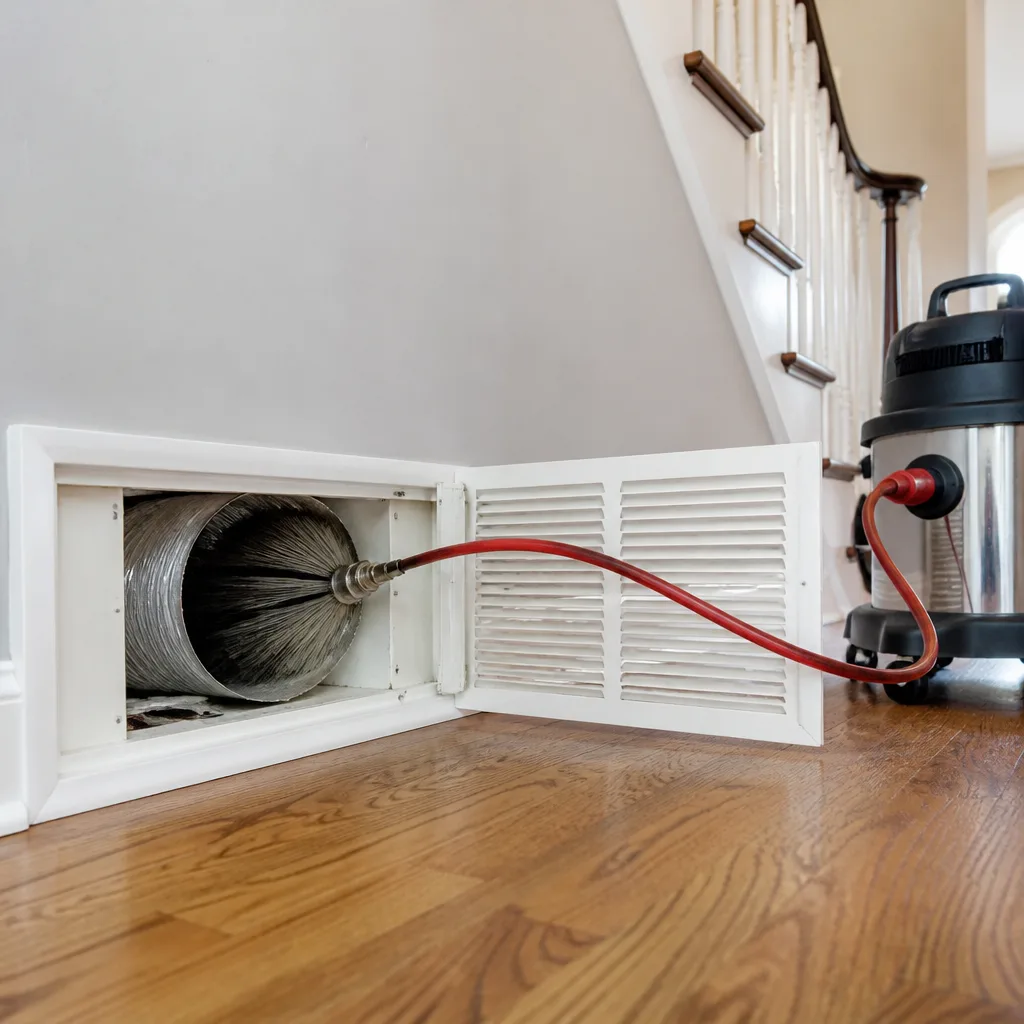 Sanitizing & deodorizing
Whole-system duct and dryer vent check with before-and-after photos - you see exactly what came out of your vents
That "$99 whole-house special" is a bait ad - the real number appears once they are in your hallway, or the "clean" is a shop-vac at the register. We photograph the inside of your ducts before and after instead.
Seasonal Air Duct Cleaning Care for Hampton: Year-Round Homeowner’s Guide
Most homeowners in Hampton assume duct cleaning is a once-and-done chore, or something you schedule when the vents look dusty. That misses how the system actually behaves here. The equipment doesn’t wear out evenly across the calendar. Hampton’s climate loads the HVAC system in a lopsided way, and contamination builds fastest in a stretch of weeks most people ignore. This guide walks through the four seasons, explains the mechanical reason late September matters more than any other cleaning window, and shows how to read humidity data before deciding on supplemental service. You’ll finish knowing what to check, when to act, and when calling a professional is the honest answer. We clean ducts for a living in Hampton, and we’ve watched which timing choices hold up over years.
Quick Answer
The best time to schedule annual air duct cleaning in Hampton is late September, right after peak cooling season ends and before the furnace takes over. That window captures a full summer’s worth of accumulated debris in one pass, before heating season circulates it again. A second inspection is worth considering after spring pollen and after any storm that breached the building envelope. Humidity readings, not temperature alone, should guide any off-schedule visits.
Styles & brands we work with
- Whole-home duct cleaning
- Dryer vent cleaning
- Camera inspection
- Sanitizing & deodorizing
Table of Contents
- Why Late September Is the Ideal Cleaning Window in Hampton
- Spring Prep: What to Check After Pollen Season
- Summer: When the System Works Hardest
- Winter: Furnace vs. Heat Pump and How Contaminants Change
- Post-Storm Protocols for Nor’easters and Tropical Systems
- How Humidity Data Should Drive Off-Cycle Decisions
- The Year-Round Seasonal Checklist
- What Professional Equipment Actually Does
Why Late September Is the Ideal Cleaning Window in Hampton
Late September sits at a mechanical crossroads in Hampton. The cooling season has finished its last long run, and the heating season hasn’t started. That gap matters more than it might seem. During summer, the air handler runs nearly continuously, pulling return air through every duct, forcing it across the evaporator coil, and pushing it back out through supply runs. That steady high-volume movement is efficient at cooling. It’s also efficient at moving particulate. Whatever is loose in the ductwork gets cycled through the system repeatedly until it settles or gets captured by the filter.
By the end of September, the filter has done what it can do, and a layer of finer material has accumulated on duct walls, on the coil face, and behind return grilles. Cleaning in October means the heating season starts with a clear system. Clean in the spring instead, and that same debris sits through summer, gets moistened by normal cooling condensation, and gets pushed around for another four months before it’s removed.
Here’s the mechanical logic in plain terms:
- Cooling season loads the system with fine particulate moved by high-volume continuous airflow.
- Debris settles where velocity drops: on coil faces, in duct transitions, behind return grilles.
- Late September captures this accumulation before heating season recycles it.
- Cleaning before the furnace season starts means the warm air that reaches living spaces moves through cleared ductwork, not a debris bed.
In our experience, Hampton homes cleaned in the September-October window come back cleaner on year-two inspections than homes cleaned in spring. That’s not marketing, it’s what a full picture of the calendar shows. The difference isn’t dramatic, but over five years it adds up. If you want the full-length version of why airflow degrades when ducts load up, our page on air duct cleaning covers the mechanics in more detail.
Spring Prep: What to Check After Pollen Season
Hampton runs through a heavy pollen season in spring, driven by the oak and pine canopy that dominates the region. When pollen is airborne at peak levels, every open-window hour loads the air handler with material, and every filter gets pushed toward early saturation. The visible signs show up in specific places, and knowing where to look tells you whether your system handled the season well or whether it’s due for service.
Check these spots after pollen season ends:
- Return grilles. Look at the grille face and the filter behind it. A grille that shows a visible gray or yellowish buildup is a sign that the filter loaded early and bypass paths pulled material around it.
- Supply register faces. A light dust film is normal. Clumped material or streaks point to something more.
- Filter slot edges. The frame around the filter should sit flush. Gaps at the edges let unfiltered air pass around the filter entirely, which loads downstream ductwork faster.
- Bypass paths. Any gap in the return plenum, around the air handler cabinet, or at filter housing edges is a bypass. Sealing these is one of the highest-value fixes a homeowner can make.
- Coil face access. If your air handler has a sight glass or access panel, a light film is expected. Heavy buildup is a service item.
This is also the right time to talk filters. We work with Honeywell and Aprilaire filter systems regularly, and both brands make filter housings with tighter tolerances than what most builders install. A quality filter housing with a properly fitted filter captures far more pollen than a loose slot with a cheap filter. If you’re not sure what your system has, a quick look at the filter label tells you the brand and model. Spring prep isn’t about cleaning ducts, it’s about preventing the duct from being the pollen filter.
Summer: When the System Works Hardest
Summer is the quiet season for duct cleaning and the loudest season for duct loading. The system is running nearly all day through July and August, and every hour it runs it’s doing three things: cooling air, moving air, and moving whatever came along with it. The cooling part is obvious. The third part is where homeowners get surprised.
Humidity in Hampton during summer is a factor in its own right. When indoor relative humidity climbs above roughly 60%, the cooling coil runs wet. Water on a coil is normal and part of how dehumidification works. What’s less obvious: that moisture changes the character of what accumulates. Dust that stays dry stays loose and gets captured. Dust that stays moist develops adhesion and microbial growth. A duct system that starts the season clean and stays dry handles humidity well. A duct system with a pre-existing debris bed that stays moist through summer is a different situation entirely.
Watch for these signs in summer:
- A musty smell that shows up when the system starts, then fades
- Visible dust trailing from supply registers after the system runs
- Humidity that stays elevated in the home even with the system running
- Higher-than-expected cooling runtime, which usually means airflow restriction
If you notice two or more of these in July or August, that’s worth a call. You don’t have to wait for September. Off-cycle inspections based on what the system is telling you are exactly the timing logic we recommend elsewhere on Duct Cleaning Hampton. The system is designed to run hard in summer. It’s not designed to run hard through a loaded duct system.
Winter: Furnace vs. Heat Pump and How Contaminants Change
Hampton’s heating stock is mixed, and the difference matters for how duct contamination behaves through the heating season. Homes with a gas furnace and homes with a heat pump push warm air through the same ducts, but they do it in different ways, and the difference changes the contaminant picture inside the ductwork.
A gas furnace runs in cycles. It fires, warms the heat exchanger, the blower runs, and when the thermostat is satisfied the burner shuts off and the blower runs out the residual heat, then stops. Because the furnace cycles, airflow through the ducts is intermittent rather than continuous. That has two effects. Loose debris moves less, but the temperature swings inside the ductwork are larger. When the duct cools between cycles and then heats again quickly, condensation can form on cool metal surfaces at start-up in a home that hasn’t been cleaned. That condensed moisture is exactly what microbial growth needs.
A heat pump runs longer cycles at lower supply temperatures. That means the blower is often on for longer stretches, moving more total air through the system over a heating day, but at a steadier temperature. Less start-stop cycling means less condensation pulse. The debris that moves, moves more.
Two practical takeaways for the heating season:
- Gas-furnace homes should inspect for moisture or musty smells at the start of the heating season, especially if the previous cooling season showed any signs.
- Heat-pump homes should watch filter loading more closely through the heating season, since the continuous blower pulls more material into the filter.
If you’re scheduling furnace service, that’s a natural moment to ask whether the duct system needs attention. Routine furnace maintenance covers the equipment. It doesn’t cover what the equipment is pushing through. Our dryer vent cleaning service follows a similar period-check logic, since dryer vents load up faster in winter with more laundry and fewer open windows.
Post-Storm Protocols for Nor’easters and Tropical Systems
Hampton sits in a storm corridor. Nor’easters in late fall and winter, and tropical systems from late summer through fall, can push wind-driven rain against building envelopes for hours at a stretch. When water finds a gap, it doesn’t announce itself at the ductwork. It shows up as a slow moisture intrusion that finds the lowest point in the assembly, and sometimes that point is inside an insulated duct run.
Any storm that produced visible water intrusion is a reason to inspect the duct system, even if the calendar says it’s not a cleaning season. That’s not a scare. It’s a straightforward consequence of how ducts sit inside building assemblies. A duct run that stays dry handles seasonal debris without fanfare. A duct run that took on water needs attention before the next cooling season.
After a significant storm, check these:
- Water stains on ceiling or wall drywall near supply registers or return grilles
- Musty smell in specific rooms, especially rooms that were in the weather path
- Visible water inside registers or behind grille faces
- Insulation visible inside a duct that should be smooth sheet metal or flex liner
If any of those show up, don’t run the system blind. A visual inspection is the right first step. When the inspection shows material inside the ductwork that shouldn’t be there, that’s when a professional assessment saves both the duct and the air quality. The Abatement Technologies filtration equipment we use on-site is designed for exactly this kind of contamination-control work, since fine debris and organic material require more than a shop vac to remove safely. If you’re in Hampton, call and we can walk through what you’re seeing.
How Humidity Data Should Drive Off-Cycle Decisions
Homeowners often ask about temperature. We steer them toward humidity instead. Temperature tells you whether the system is keeping up. Humidity tells you whether the ductwork is under biological load. The two aren’t the same, and the second one is what drives most of the off-cycle cleaning decisions we recommend.
Indoor relative humidity is the percentage of moisture in the air relative to how much the air could hold at that temperature. In Hampton, indoor RH typically runs in a range through summer that’s higher than what homeowners from drier climates expect. Whether your specific home sits in the healthy range or the concern range depends on the envelope, the system, and the habits of the household. An inexpensive digital humidity gauge tells you more than any guess.
A few thresholds to keep in mind as you read your gauge:
- Sustained indoor RH above 60% during cooling season is worth investigating, since it’s the point where moisture load on the system rises. Check filter first. If filter is good and RH stays high, the duct system and coil are candidates for inspection.
- Sustained indoor RH above 65% over a stretch of weeks, especially with any musty smell, is worth an off-cycle inspection even if you cleaned last September.
- Sustained indoor RH below 50% in winter is fine for ducts but can dry the house out. A whole-home humidifier is a separate consideration from duct cleaning.
What we look for in an inspection is whether the humidity is coming from the system or from the envelope. If a home is tight and the system is working correctly, RH should hold a comfortable range without much effort. If RH stays high and the system is running, that’s the signal. Humidity is a better guide than any calendar date, and any homeowner can read it with an inexpensive gauge.
The Year-Round Seasonal Checklist
Here’s the practical version, broken into a numbered sequence you can follow through the calendar. Use this as the standing list your household works from.
- Late February to early March: Replace the filter before pollen season begins. Inspect return grille frames for gaps and seal any bypass you find.
- Late April: Check return grilles and supply register faces for visible buildup after pollen peaks. Note any musty smell that only appears when the system starts.
- June: Read indoor humidity with a gauge. If RH is holding comfortable, plan to leave the system alone through summer.
- July to August: Watch for cooling runtime drift and dust trails at registers. If two or more signs appear, call for inspection.
- Late September: Schedule annual cleaning. This is the optimum window for Hampton homes, before heating season starts.
- October: After cleaning, verify airflow at registers with a hand test. Compare before and after; we recommend photos of what we found inside your ducts for reference.
- November to December: Start the heating season with fresh filter, and inspect for start-of-season smell or moisture if the home has a gas furnace.
- After any storm with visible water intrusion: Inspect registers and grilles in the weather path, don’t run the system blind.
This isn’t a lot of work. It’s mostly knowing what to look at and when. The cleaning itself is one appointment a year in a well-behaved home, plus an inspection in any year that ran unusually humid or took a hit from a storm.
What Professional Equipment Actually Does
This section is where we’re honest about the trade. Duct cleaning has a reputation problem, and the reputation comes from equipment. A lot of what gets called duct cleaning is a shop vac pushing air around inside a duct and using a shop light to check the result. That isn’t cleaning, it’s stirring.
What a proper cleaning involves:
- Mechanical agitation with a rotary brush. The Rotobrush rotary brush system is the industry benchmark for this step. It runs a rotating brush head through the duct and physically dislodges settled material from duct walls. Without mechanical agitation, dust films stay put.
- High-volume negative-pressure extraction. Nikro industrial equipment is what we run on-site. Negative pressure pulls loosened debris out of the duct as the brush releases it, instead of letting it settle back in.
- Filtration at the extraction point. Abatement Technologies filtration equipment is standard in professional indoor air quality work. It captures fine particulate before it becomes airborne in the home.
- Protective finishing where needed. Guardsman products are part of our toolkit for sealing and protecting duct internals after cleaning.
- Verification. Before-and-after photos of what was inside the ducts. Not marketing photos, your ducts.
Our technicians have up to 8 years of experience with this equipment. When the work is done, you can see what we found, what came out, and what changed. That’s the standard we hold ourselves to, and it’s why we do one flat price per system, agreed before work starts, with no per-vent pricing games. If you’re comparing quotes and one is dramatically lower than the others, ask what equipment will actually be on-site. That’s where the difference lives.
Common Mistakes to Avoid
- Cleaning in spring instead of late September. Spring cleaning misses the point of the calendar. The debris that accumulated all summer sits through the cooling season again, moistens, and loads the system through another cycle before it’s removed.
- Skipping the bypass check. A homeowner in Hampton who buys a premium filter but never looks at the filter slot edges is filtering part of the volume. Every gap around the filter frame is a bypass that undoes a chunk of the filter’s job.
- Reading temperature when you should be reading humidity. A system can hold 74°F and still be under biological load from elevated humidity. Without a humidity gauge, you’re guessing.
- Running the system after a storm without inspecting. A musty smell that appears only after a weather event is a signal. Running the system first sends moisture-laden air through the home before you know what’s in the duct.
- Judging quotes by price alone. A quote with no equipment specified is a quote for a shop vac, a flashlight, and a promise. Ask what brand rotary brush, what extraction equipment, what filtration. Real answers are specific.
- Treating dryer vent cleaning as a soft service. The dryer vent is a fire risk when lint builds up, and it’s not the same job as duct cleaning. If you can’t remember the last time it was done, that’s a separate call.
- Assuming an HVAC tune-up includes duct cleaning. Equipment service covers the machine. Duct cleaning covers what the machine moves air through. They’re related, they’re not the same visit.
See the difference
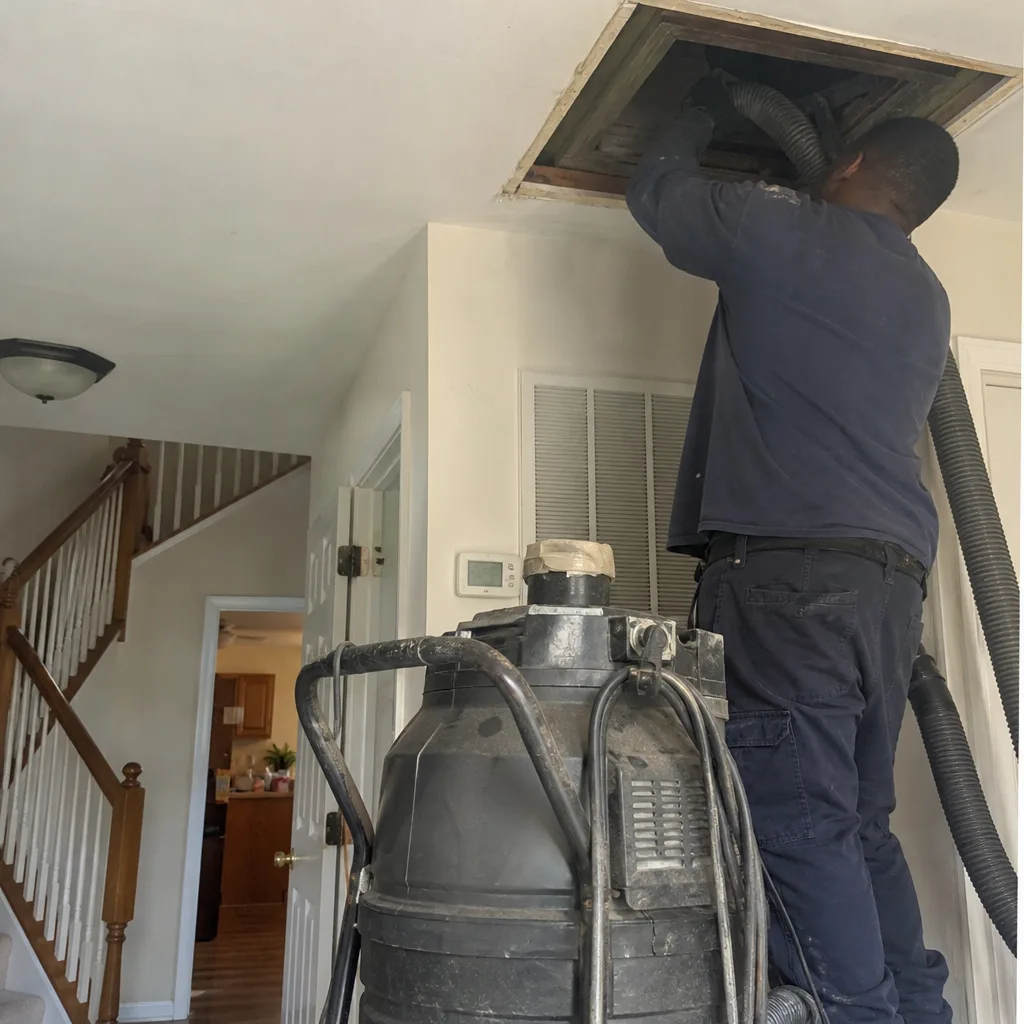 Before
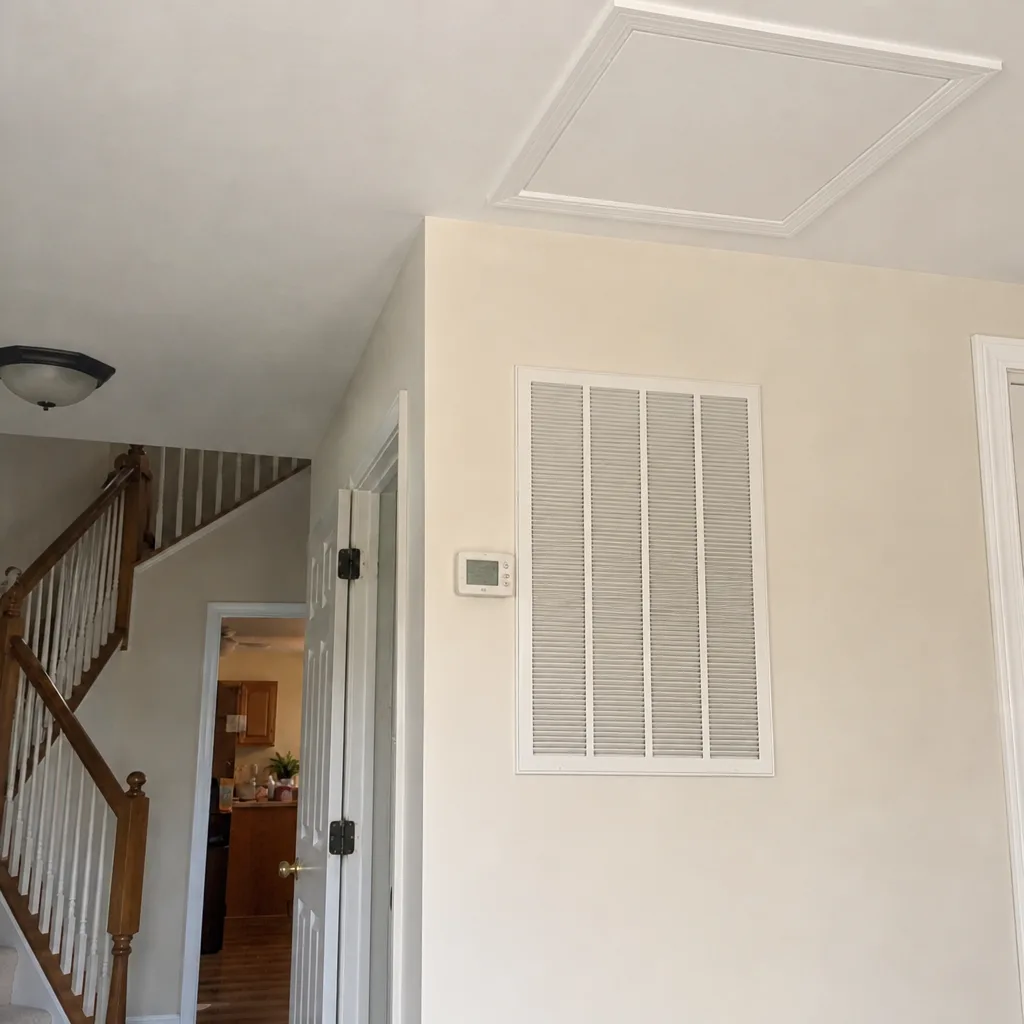 After
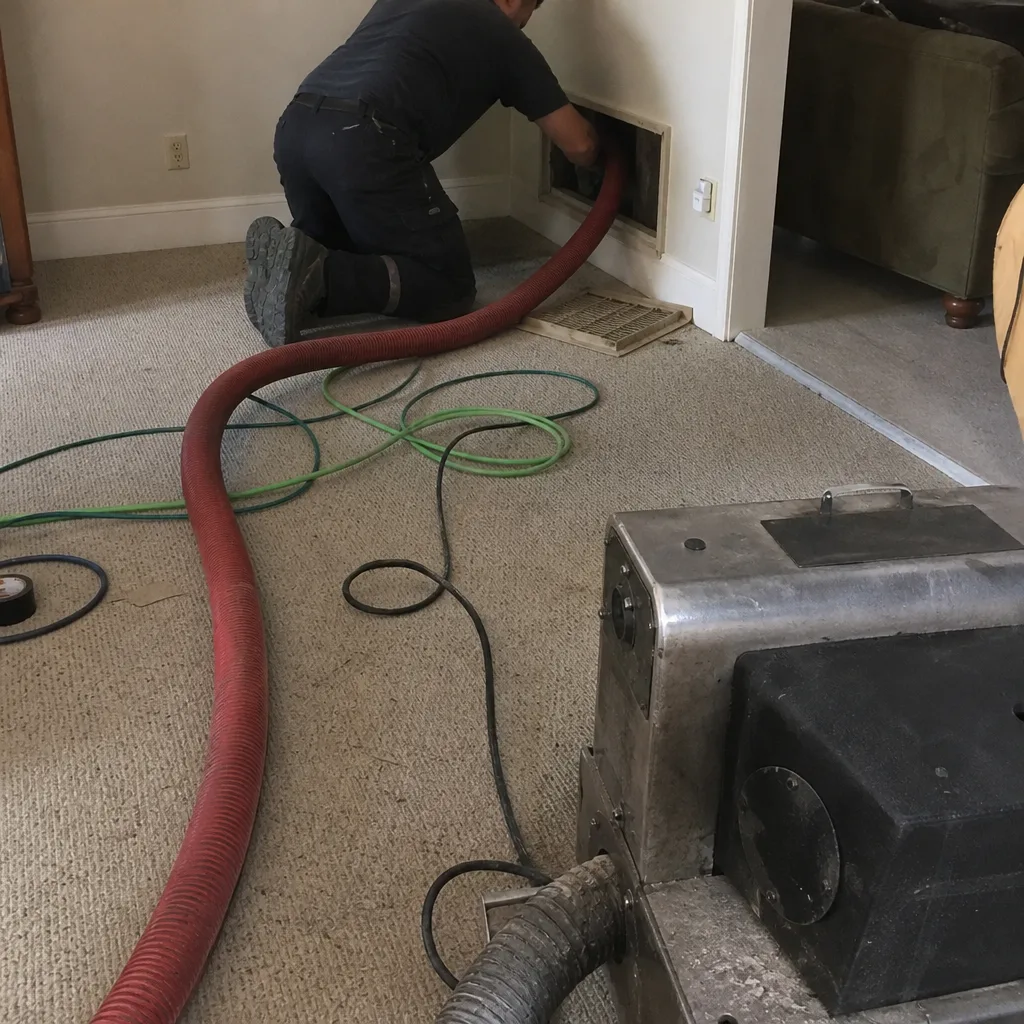 Before
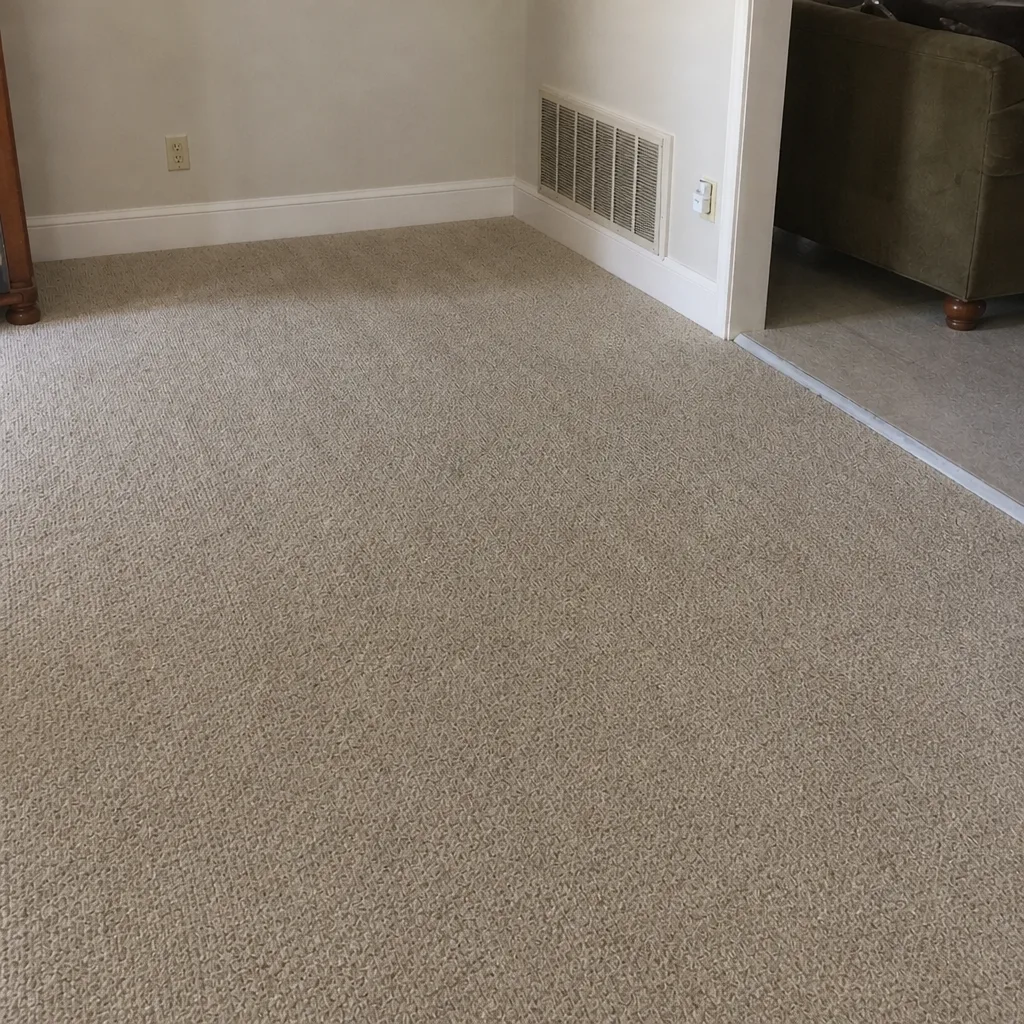 After
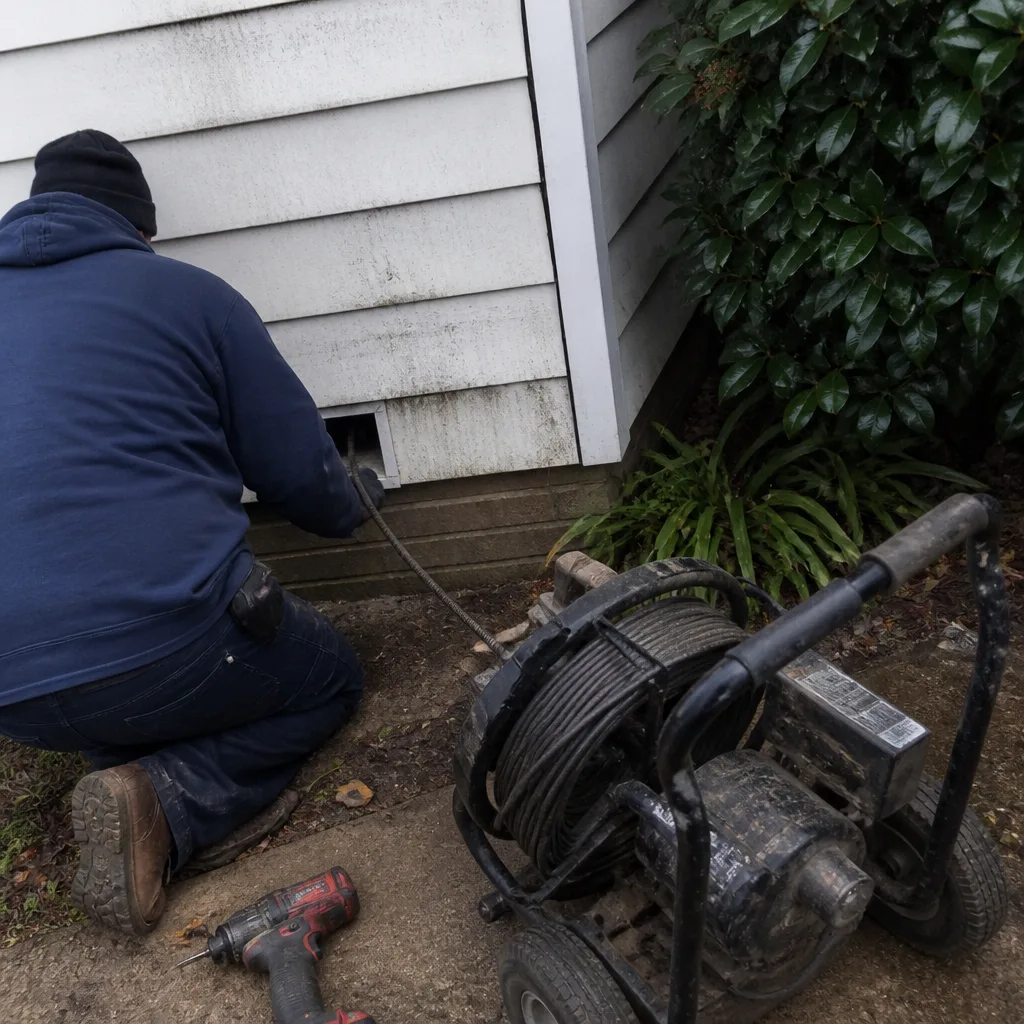 Before
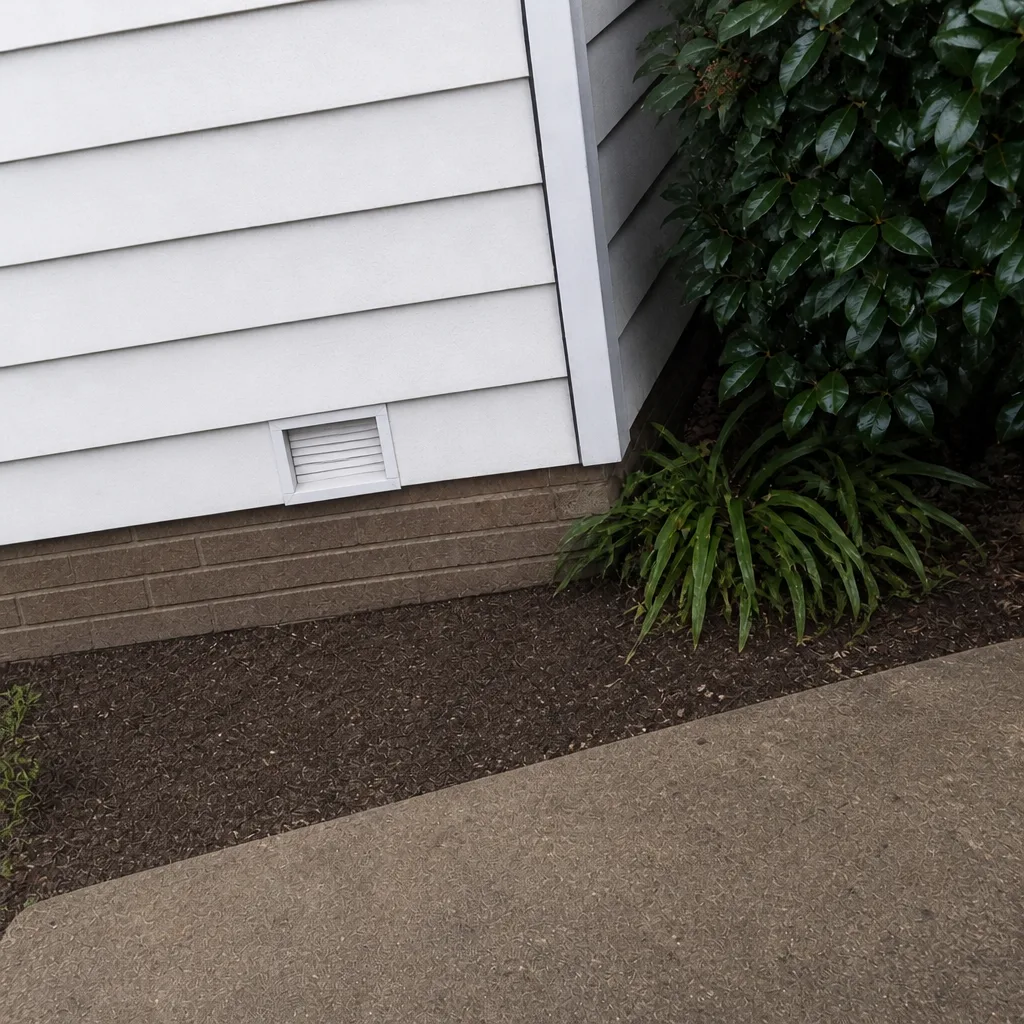 After
When to Call a Professional
Most of what’s in this guide is homeowner-readable. The line where a professional is the right answer is clearer than people assume. Call when you’ve seen a musty smell that only appears when the system starts, when you’ve had visible water intrusion after a storm, when indoor humidity stays above 60% through the cooling season despite a fresh filter, or when you’ve noticed visible dust trailing out of supply registers after the system runs. Call when the calendar hits late September and the system hasn’t been cleaned in over a year. Also call if you’re moving into a new-to-you home and don’t know the duct history; an inspection answers that question quickly. Duct Cleaning Hampton offers free estimates in Hampton, and the estimate is written per system before work starts. Call (855) 356-4265. We answer 24/7. Fast dispatch from 7am to 7pm, Sunday through Friday.
Frequently Asked Questions
Once a year is the practical standard for most Hampton homes, scheduled in late September before heating season. Homes with pets, recent renovation, or heavy allergy sensitivity may benefit from an inspection closer to spring as well. Homes with no pets, no allergy concerns, and a clean system often do fine on a longer cadence with humidity monitoring guiding the decision. Call (855) 356-4265 if you’re unsure which bucket your home fits.
Low quotes usually reflect a different scope of work, not a better deal. A quote without specified equipment is usually a shop vac and a flashlight, which stirs dust without removing it. Our quotes specify the Rotobrush rotary brush, Nikro extraction, and Abatement Technologies filtration actually used on-site. The price is per system, agreed in writing before work starts, and it reflects the work being done. That’s the honest comparison.
Before-and-after photos of your own ducts, not stock photos. Any professional duct cleaning should provide that documentation. If a crew can’t show you what they found and what came out, that’s the answer. Call (855) 356-4265 for a free estimate and we’ll walk through what the documentation looks like on a real job.
Yes, relative humidity above 60% sustained through cooling season changes what accumulates inside the ductwork. Moist dust adheres and supports growth in a way that dry dust doesn’t. In a typical Hampton summer, monitoring indoor RH with an inexpensive gauge is more useful than watching the calendar. If RH stays elevated for weeks with a musty smell, that’s a reason to call for inspection regardless of when you last cleaned.
If a Nor’easter or tropical system produced visible water intrusion, yes. Water intrusion means moisture entered building assemblies, and duct runs inside those assemblies can hold water without the homeowner knowing. A visual inspection is the right first step. If the inspection shows material or moisture inside the ductwork that shouldn’t be there, a professional cleaning is the answer regardless of season.
A gas furnace cycles on and off, which creates larger temperature swings inside the duct and more condensation risk at start-up. A heat pump runs longer, steadier cycles, which moves more total air through the system but with less condensation pulse. Both benefit from annual cleaning in the late-September window. Gas-furnace homes should be a bit more attentive to start-of-season smells and moisture signs.
The Bottom Line
Hampton’s seasons don’t stress the duct system equally, and the right cleaning schedule reflects that. Late September is the annual target because it captures a summer of accumulation before the heating season recirculates it. Spring is for checking bypasses and filters after pollen, summer is for humidity monitoring, and winter is for noting that furnace and heat pump ducts behave differently. Storm events override the calendar and warrant inspection. Humidity readings, not temperature, drive the off-cycle calls. Professional cleaning is about equipment and verification, not a shop vac and a promise. Duct Cleaning Hampton offers free estimates in Hampton. Call (855) 356-4265. We answer 24/7. Fast dispatch from 7am to 7pm, Sunday through Friday.
Written by the team at Duct Cleaning Hampton.