
Last updated November 15, 2026
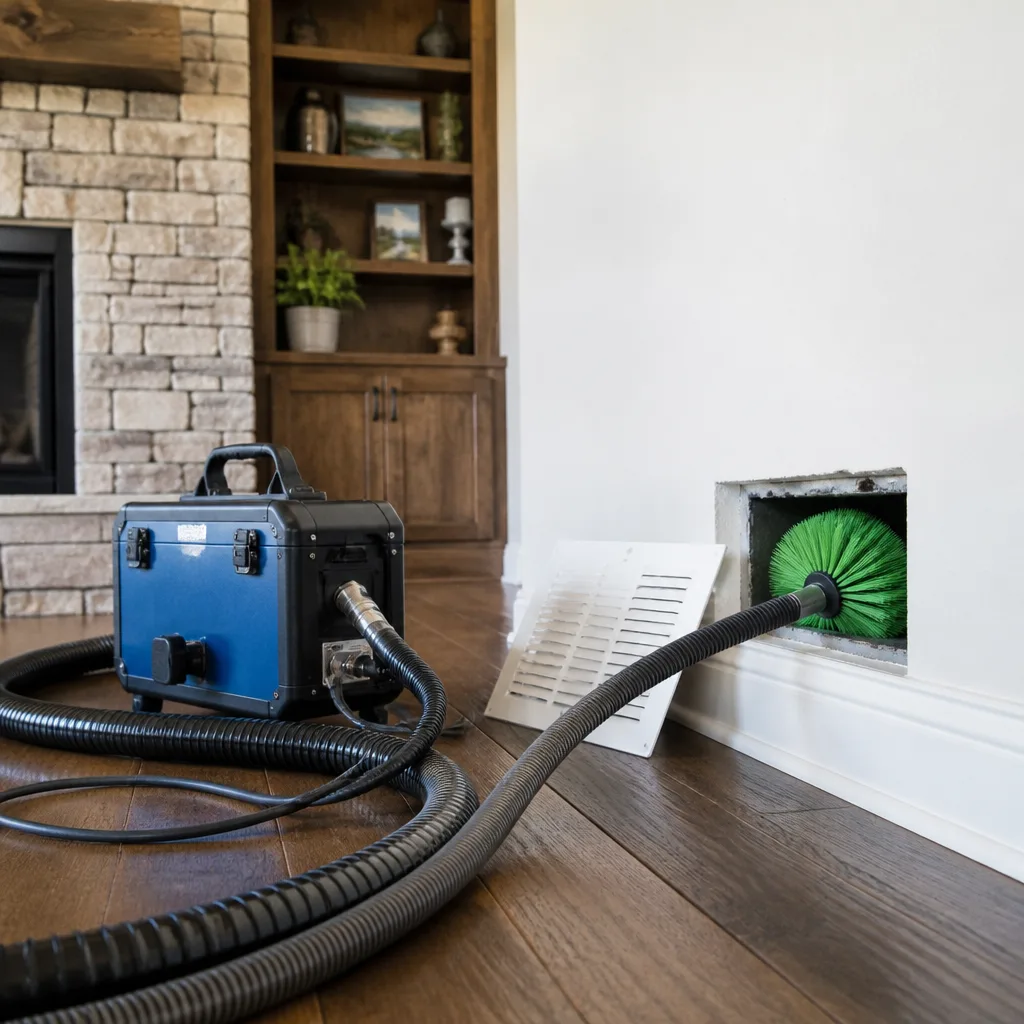 Whole-home duct cleaning
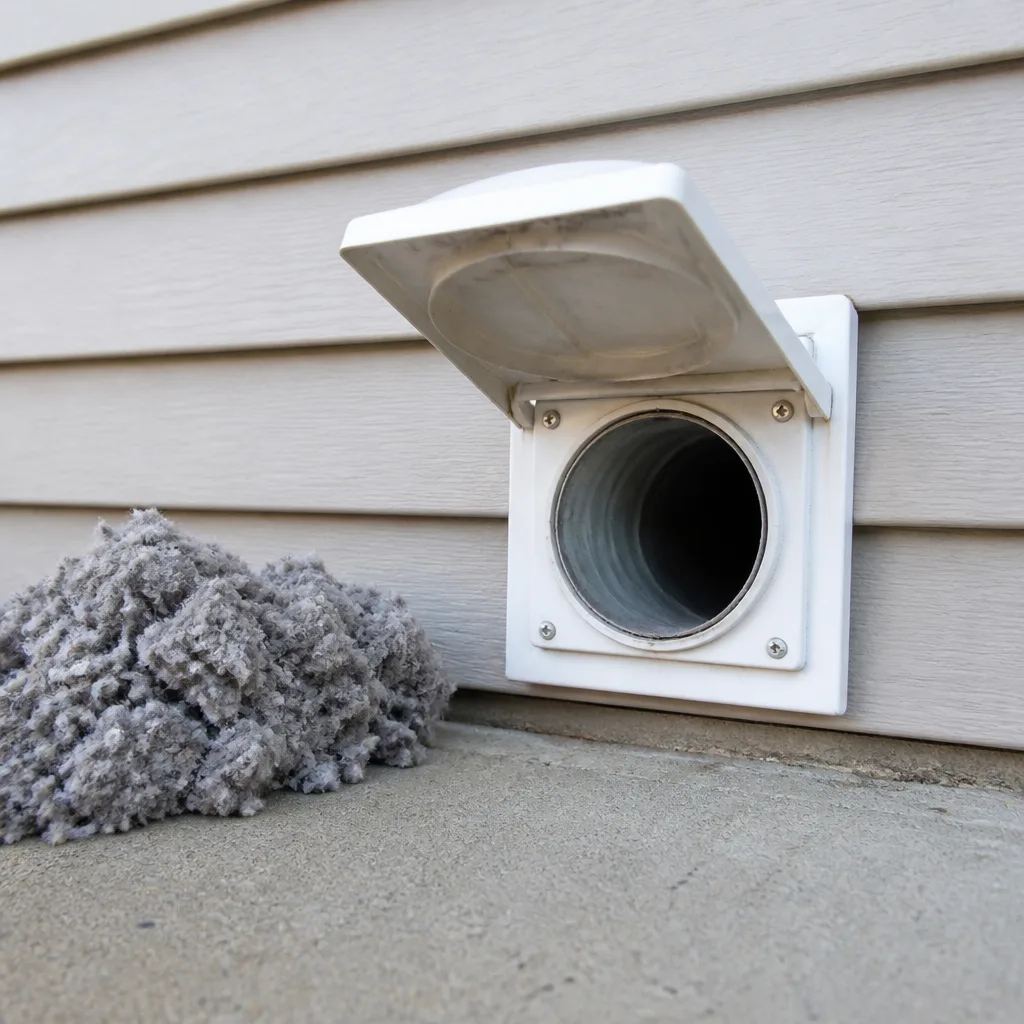 Dryer vent cleaning
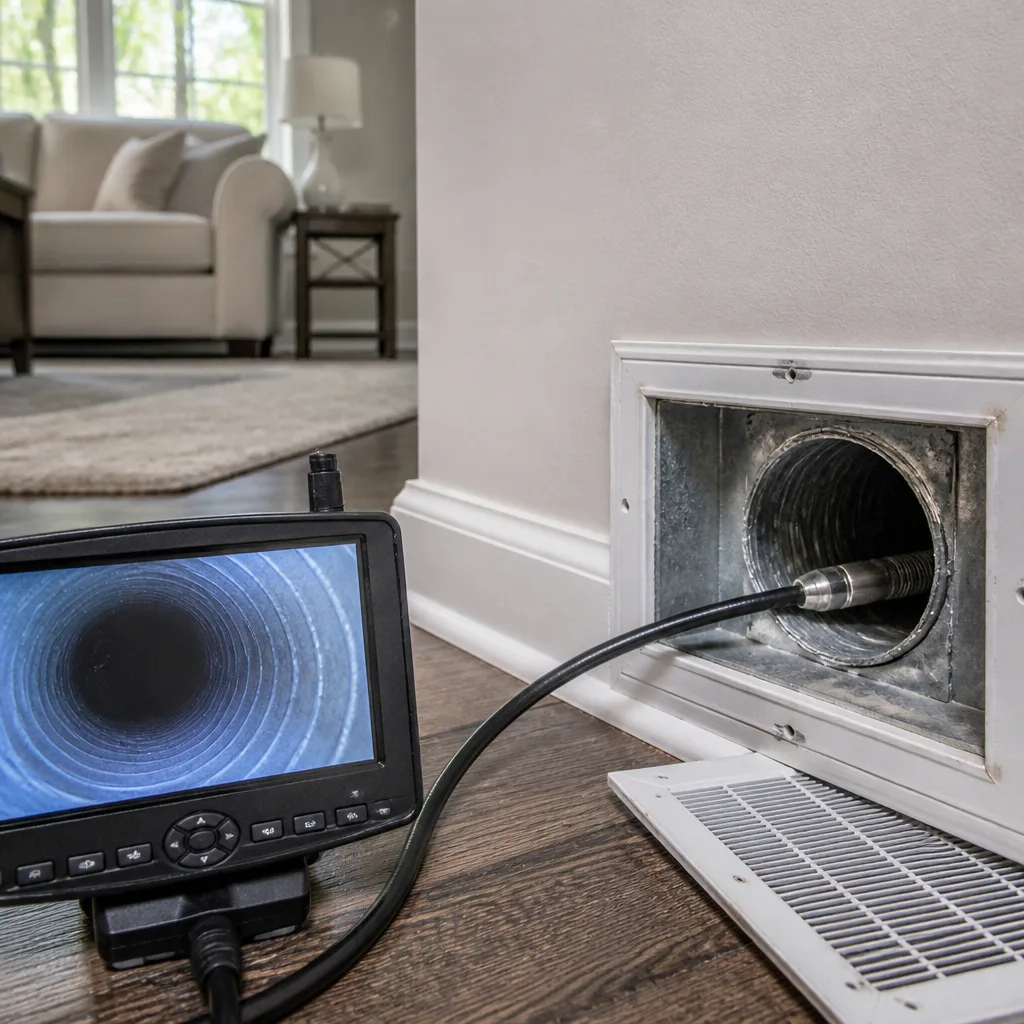 Camera inspection
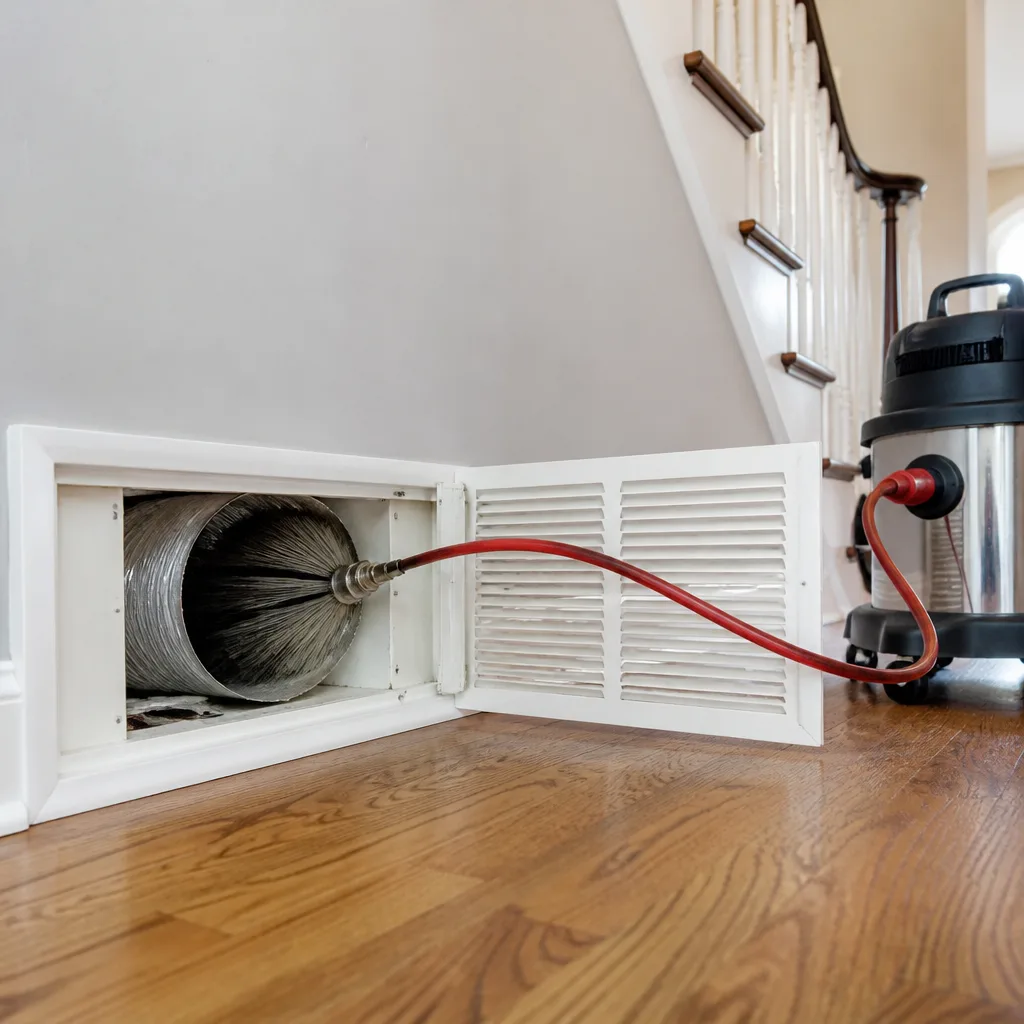 Sanitizing & deodorizing
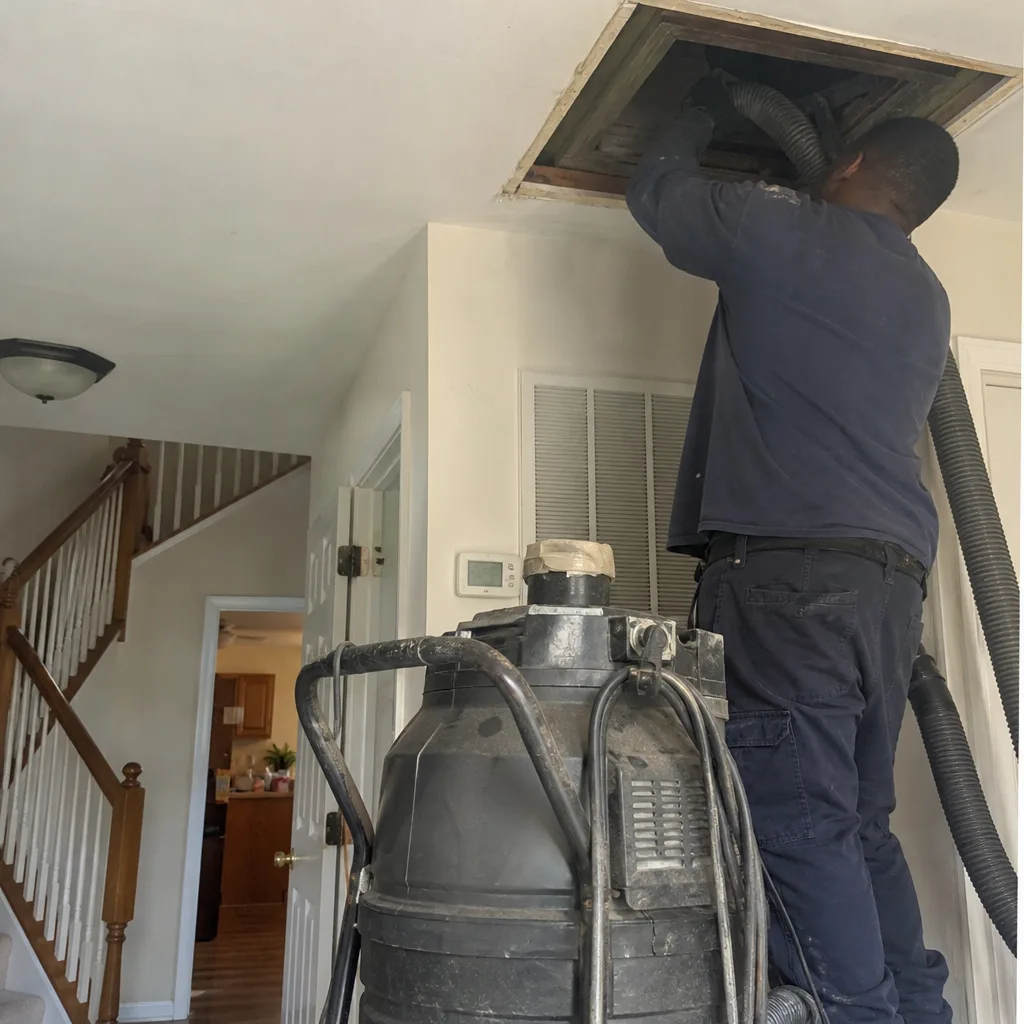
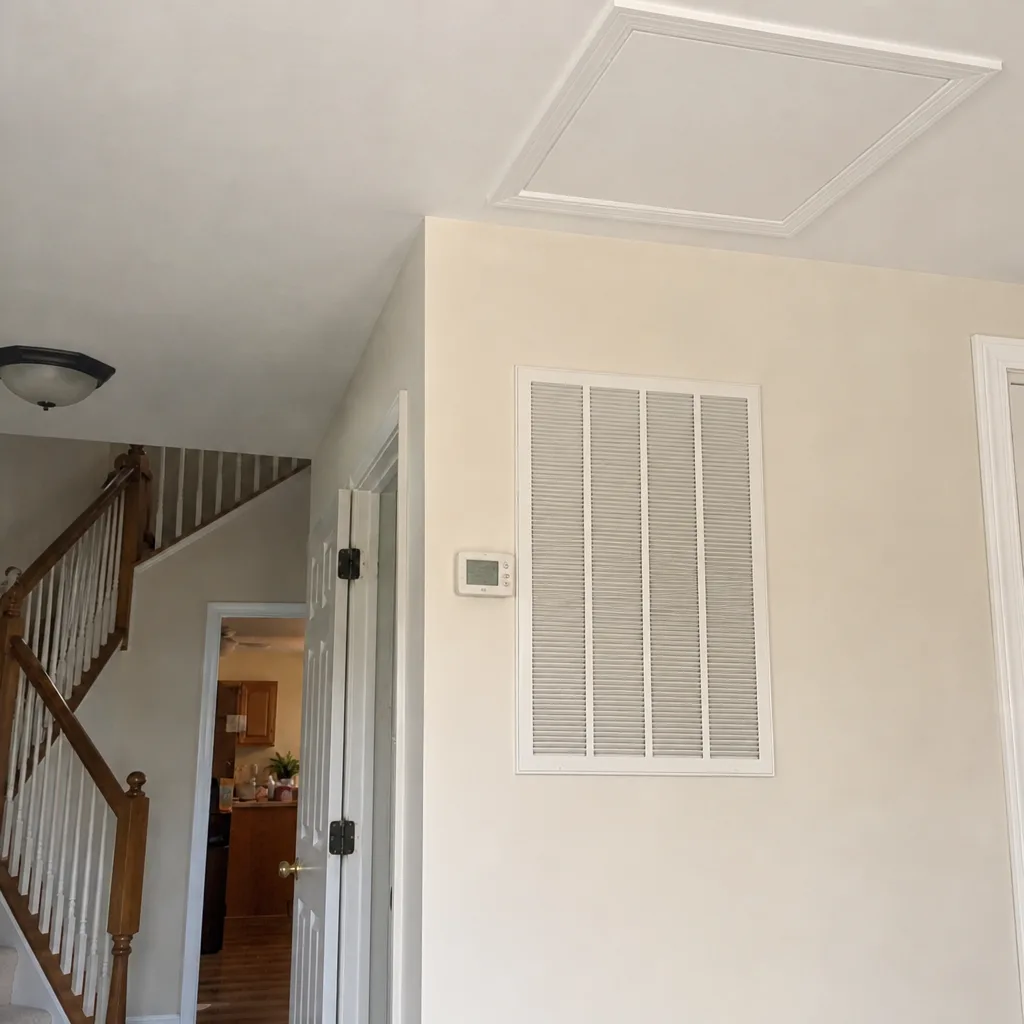
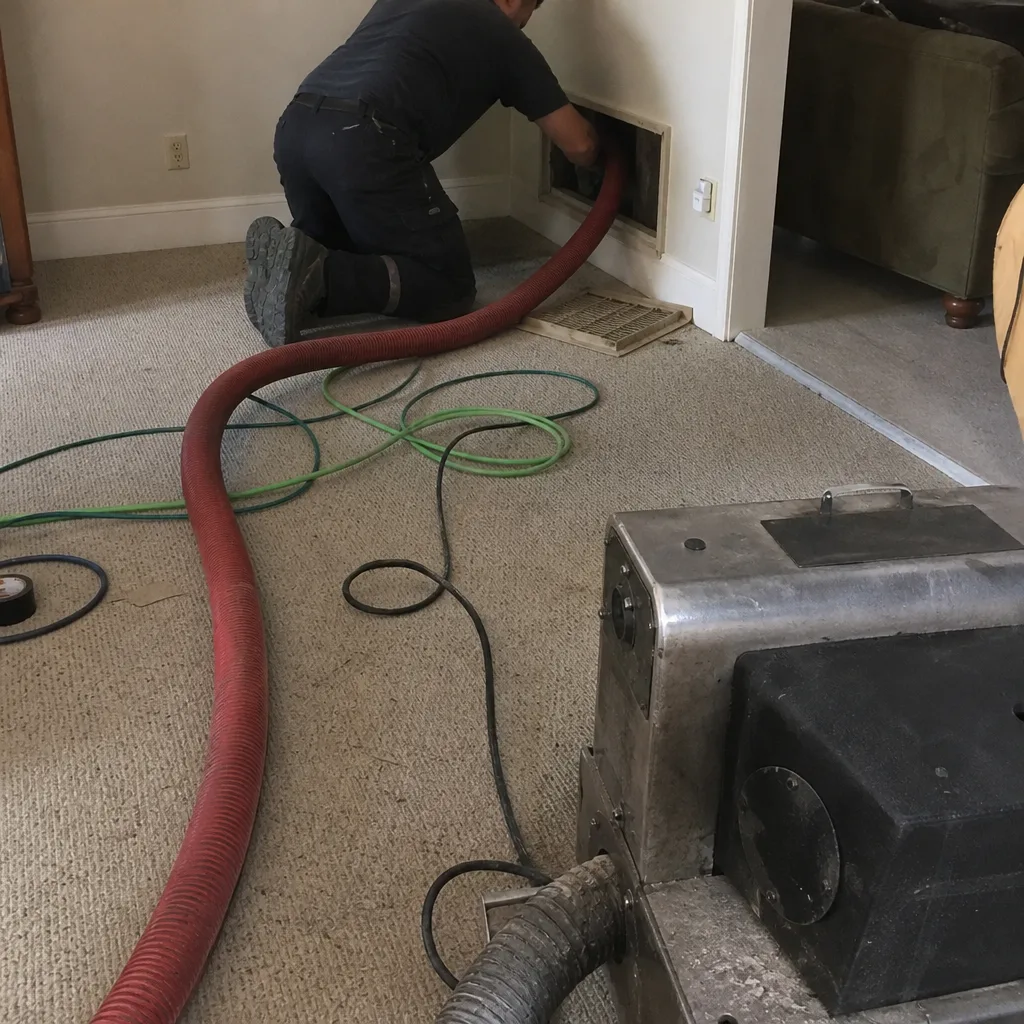
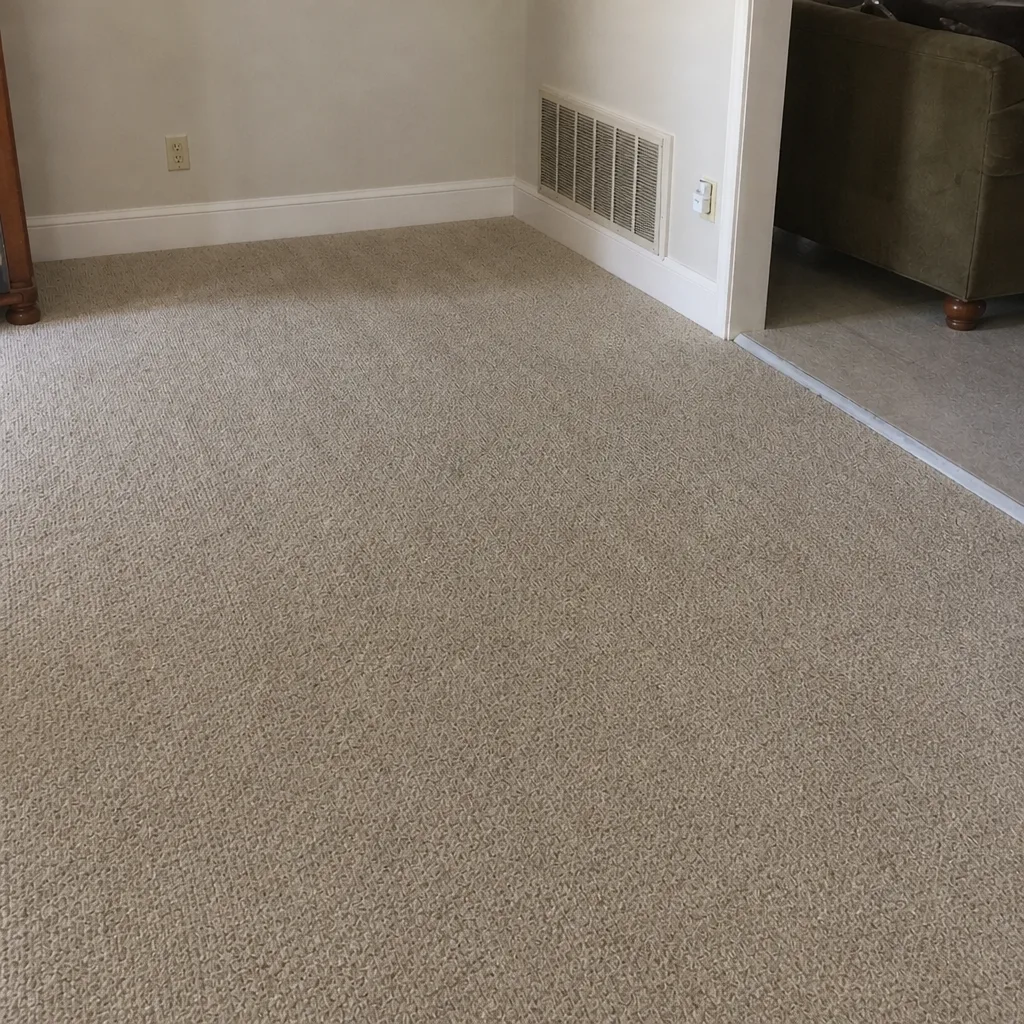
Whole-system duct and dryer vent check with before-and-after photos - you see exactly what came out of your vents
That "$99 whole-house special" is a bait ad - the real number appears once they are in your hallway, or the "clean" is a shop-vac at the register. We photograph the inside of your ducts before and after instead.
Air Duct Cleaning Permits, Codes & Inspections in Hampton, VA: What You Need to Know
Here’s the part of this trade that surprises people: the cleaning itself is largely unregulated, but the moment a technician climbs into your attic and cuts an access panel into a rigid trunk line, seals a connection, or reconnects a flexible run, the job has quietly become HVAC work. Virginia treats that differently. A crew can legally vacuum twenty years of dust out of your ducts with no permit and no license at all, yet the same crew needs a contractor license the second they alter the system. In Hampton, where much of the housing stock has been retrofitted, expanded, and repaired over several decades, that line gets crossed more often than homeowners realize. This guide draws it precisely: what needs a permit, what needs a licensed tradesman, where mold abatement becomes regulated environmental work, and what paperwork to keep when it’s done.
Quick Answer
In Hampton, VA, air duct cleaning by itself does not require a building permit, and the state does not license duct cleaning as a standalone trade. But if a technician cuts new access openings, modifies, seals, or reconnects ductwork, that is HVAC work that falls under the Virginia Uniform Statewide Building Code and requires a licensed contractor under the Department of Professional and Occupational Regulation (DPOR). Interior mold remediation can also move into regulated territory. Ask which scope your job falls into before anyone starts.
Styles & brands we work with
- Whole-home duct cleaning
- Dryer vent cleaning
- Camera inspection
- Sanitizing & deodorizing
Table of Contents
- Does Air Duct Cleaning Require a Permit in Hampton?
- What Virginia’s Building Code Says About Ductwork
- DPOR Licensing: Where Cleaning Ends and HVAC Begins
- Mold Inside Ducts: When Remediation Becomes Regulated
- Military Housing in Hampton and Documentation Requirements
- Inspections, NADCA Standards, and What to Look For
- What Documentation to Request After the Work
- How to Verify a Contractor Before You Book
Does Air Duct Cleaning Require a Permit in Hampton?
No. A straight cleaning – vacuuming the interior of ducts, sealing off accessible openings, and cleaning the air handler cabinet – is a maintenance service. The City of Hampton does not issue permits for it, and no state license class covers duct cleaning on its own. That’s important because it means a legitimate specialist can operate without a contractor license, and it also means an unlicensed operator has no barrier to entry. The permit question only changes when the physical system changes.
Think about it as two very different jobs sharing a name. Job one is removal: dust, debris, and contaminants come out of a system that stays structurally the same. Job two is alteration: a technician cuts a 12-inch exploratory hole in a trunk line to reach a dead run, seals it with mastic and a panel, reroutes a flex duct around a water heater vent, or reconnects a boot that pulled loose. Job two modifies the HVAC system, and that’s regulated.
In our experience across Hampton, the confusion happens because cleaning and repair often happen on the same visit. A rotary brush system will reveal loose joints, unsealed plenum connections, or hidden takeoffs that need addressing. We do duct repair as a core service, and the honest answer to a homeowner is always the same: you need to know which part of the work is cleaning and which part is HVAC modification, because the licensing and documentation requirements are different. Ask at the estimate stage, in writing, what the company is proposing to alter.
The other wrinkle is apartment and property-manager work. Rental units in Hampton fall under different maintenance obligations than owner-occupied homes, and a property manager booking duct service for a managed building should confirm who is authorized to approve any structural modification to the system. It’s not a permit issue, but it’s a liability one, and it’s worth settling before any work begins. You can read more about how we handle whole-system jobs on our main Duct Cleaning Hampton service page.
What Virginia’s Building Code Says About Ductwork
The Virginia Uniform Statewide Building Code (USBC) adopts the International Residential Code and International Mechanical Code with Virginia amendments, and it governs the mechanical system itself: how ducts are installed, sealed, supported, and connected. When a cleaning job requires modifying any of those elements, the work falls under the code. For most duct cleaning, the code is background context rather than an active requirement. For duct modification, it’s the governing standard.
Where this comes up most often in Hampton homes:
- Cutting new access panels. Most codes permit access openings for maintenance and inspection, but the opening has to be sealed correctly afterward – an airtight cover or approved panel, not tape across a raw hole. A careless technician cutting an access point can create a leak that silently degrades system performance for years.
- Sealing and mastic work. Sealants and mastics applied to duct joints must meet the code’s duct-sealing requirements. The right product matters. Guardsman-brand sealing products and code-compliant mastics are what a professional reaches for; a tube of general-purpose caulk isn’t.
- Flexible duct reconnection. Flex runs in Hampton attics are often sagging, kinked, or disconnected after decades of heat cycling. Reconnecting one is mechanical work and must be done to code – proper slope, proper support, proper seal at the boot and collar.
- Insulation and vapor control. If a technician disturbs duct insulation during cleaning, the code addresses what must be replaced. An R-value question, technically, but a homeowner often doesn’t know to ask.
The practical point: a cleaning crew that wants to “just seal up a few leaks while we’re here” is proposing code-governed work. Whether a permit is required depends on the scope and your locality – Hampton’s Codes Compliance office can confirm for your specific address if you’re ever uncertain. What’s not ambiguous is that the sealing has to be done correctly, and the installer has to be qualified. Once cleaning is finished, our air duct cleaning page lays out what a proper whole-system service includes and where repair falls into a separate scope.
DPOR Licensing: Where Cleaning Ends and HVAC Begins
Virginia’s Department of Professional and Occupational Regulation (DPOR) licenses contractors by class, and the class depends on the value of the work. Class C is the smallest, Class B covers work up to $120,000 with at least $10,000 in the trades, and Class A covers larger projects. HVAC work – installing, altering, or repairing the mechanical system – requires an HVAC contractor license. Duct cleaning does not. This is the quiet seam in the trade that homeowners get caught in.
Here’s the scenario worth understanding. A company markets duct cleaning at a reasonable price. During the job, the technician discovers the system has loose joints, a disconnected run, or an undersized return. The company offers to fix it as part of the visit – and invoices it as “duct cleaning, plus sealing.” If that company does not hold an HVAC contractor license, that work is illegal, invoice notwithstanding. The invoice description has no bearing on the licensing requirement. The work does.
DPOR’s public license lookup is the tool that settles it. Before work begins:
- Ask the company, in writing, whether any portion of the proposed scope involves modification, sealing, reconnection, or installation of ductwork.
- If the answer is yes, ask for the company’s DPOR license class and number, and verify the status on the DPOR public database. Look for a Class A or B HVAC contractor license, not a Class C cleaning license.
- Confirm the license is active and not expired, and that the name matches the company you’re hiring.
- For commercial or large-scale work, ask about insurance certificates in writing.
We’re not an HVAC installation contractor, and we don’t pretend to be. We clean ducts and we repair ducts – the structural repair work that falls within a duct cleaning specialist’s scope. For anything that crosses into HVAC system alteration requiring a licensed contractor, we tell the homeowner so they can hire the right trade. That’s the difference between a specialist who knows their scope and a generalist who stretches it. If you’ve started looking into a Hampton HVAC job and aren’t sure which side of the line it falls on, a free estimate with a written scope is the right first step.
Mold Inside Ducts: When Remediation Becomes Regulated
Mold inside ductwork is the point where scope language matters more than any other. Virginia does not license mold remediation as a distinct trade in the same way DPOR licenses contractors, but the Department of Environmental Quality (DEQ) and the broader regulatory framework do address indoor air quality, and the industry standard for mold work in HVAC systems is governed by a different set of expectations than a cleaning job. Where that border sits is what determines your documentation burden.
Practically, duct cleaning is not mold remediation. Cleaning removes surface contaminants and debris; remediation addresses an active mold condition, requires assessment, and is a distinct scope of work with documentation requirements. If a duct cleaning technician tells you partway through the job that the ducts are moldy and the fix is more work, ask three questions before agreeing to anything:
- Was the condition documented? Before-and-after photos of the ductwork, not of the grille. Any credible mold claim starts with visual documentation from inside the ducts.
- Is this a cleaning job or a remediation job? Cleaning can address surface buildup. Remediation is a larger scope with different standards, and the quotes should not be conflated.
- Is the system-level moisture source being addressed? Mold growth inside ducts almost always traces to an underlying condition – a high-humidity attic, an oversized AC running shorter cycles, a leak at a collar. Cleaning the ducts without fixing the moisture source will not fix the mold.
In our experience, the most common version of this in Hampton isn’t dramatic. It’s a light dust accumulation at the plenum that seems heavier than it should be, and the honest answer is that a proper cleaning is the right step, not a remediation protocol. If you’re being told otherwise, ask for the photos and ask what the remediation scope includes. Our team handles cleaning and structural repair; internal mold remediation in a system that requires assessment is not a cleaning job and should be priced and documented as its own scope. Our dryer vent cleaning service faces a related question – lint accumulation in a vent behaves much like dust in a duct, and the documentation standards are similar.
Military Housing in Hampton and Documentation Requirements
Hampton is a military community, and a large share of the housing here is connected to that fact – on-base and off-base military housing, rental properties managed under contract, and homes occupied by active-duty families. That context changes the documentation expectations for duct service in a few specific ways, and it’s a detail most duct cleaning companies here never mention.
Housing provided to military families is subject to federal standards distinct from ordinary residential rental regulation – including requirements under the Department of Defense and HUD that address habitability, environmental conditions, and maintenance response. A duct cleaning job performed in that housing may be service work under a maintenance contract with documentation requirements that a standard residential job never sees. In practical terms:
- Confirm who authorizes the work. In contracted military housing, the property management entity, not the occupant, typically authorizes maintenance. Any scope beyond cleaning should be signed off by whoever holds the maintenance authorization.
- Document the before-and-after condition. The photos that are optional on a private home are part of the file for a managed property.
- Retain a written service record. A dated description of what was cleaned, what was found, and what was not, useful for the property file and for the residents if they later have questions.
- Separate cleaning from any repair work. If repair is approved, the repair gets its own scope and its own record.
If you’re a property manager or a military family managing this from the resident side, ask the company in advance what documentation they provide. A legitimate operation provides before-and-after photos of your actual ducts as a standard deliverable, not on request. We do that for every job, whether it’s a single-family home near a base or a multi-unit building. The documentation question is not about bureaucracy – it’s about whether you have a record you can show someone else if you need to.
Inspections, NADCA Standards, and What to Look For
Home inspections and HVAC inspections here differ, and the difference matters for homeowners trying to confirm the work is done right. A general home inspection for a real estate transaction does not evaluate the interior of ductwork. An HVAC technician evaluates system performance. Neither inspects duct cleanliness in a meaningful way. That’s why industry standards matter.
The National Air Duct Cleaners Association (NADCA) publishes standards for how duct cleaning should be performed and how an inspection should be documented. These aren’t laws, but they’re the trade’s accepted benchmark and the reference point a competent company should be familiar with. When you’re evaluating whether a job was done properly:
- Before-and-after photos from inside the ducts. Not the grille, the interior. A rotary brush system like the kind we run – professional-grade Rotobrush and Nikro equipment, not a shop vac – produces visibly different interior surfaces before and after. The photos should show that.
- Containment during cleaning. Proper containment matters, especially in occupied homes. Abatement Technologies air filtration equipment exists precisely so that contamination control is part of the process, not an afterthought.
- Access to the full system. The air handler cabinet, the trunk lines, the branch runs. A cleaning that only touches the reachable branches and skips the plenum is incomplete, and the difference is visible from inside.
- Post-service documentation. A written record of what was cleaned, what was observed, and any recommended follow-up – filter sizing, minor seal work, or a referral if something needs a licensed HVAC contractor.
On a real estate transaction in Hampton, ask whether the duct cleaning invoice and documentation will be included in the disclosure file. A short service record with before-and-after photos is the kind of thing that answers buyer questions later without a costly reinspection.
What Documentation to Request After the Work
The paperwork side of duct cleaning is where most homeowners are underserved, and it costs them later. A legitimate job produces a written record. Get it in hand before the invoice is paid, and keep it in the home’s maintenance file. What to ask for:
- A written scope of work that separates cleaning from repair. If any duct modification, sealing, or reconnection was performed, the scope should state it in those words. This is the document that matters if a licensing question ever comes up.
- Before-and-after photos of the actual ducts. Interior shots of the trunk and at least a representative sample of branch runs. Both sides of the comparison.
- A written service summary. Dated, describing what was cleaned (system components), what equipment was used, what was observed, and what was not addressed.
- Filter specifications. If your system uses a Honeywell or Aprilaire filter or purifier, the documentation should identify the correct replacement specification so you don’t source the wrong size later.
- A service record for the file. For a rental, an HOA, or a military housing property file, this record is the thing that answers “was the system maintained” without a re-inspection.
These aren’t things you should have to ask for. A company that runs professional-grade equipment already has a record of the job – the before-and-after photos, the equipment used, the scope. Handing it over is the natural final step. The company’s inability to produce it after the fact is a signal.
How to Verify a Contractor Before You Book
Verification takes a few minutes and settles most of the questions in this guide before work starts. Here’s the sequence we recommend, whether you’re booking us or another company:
- Ask for the scope in writing. Cleaning only, or cleaning plus repair? The answer tells you whether the licensing question even applies.
- If repair is proposed, ask for the DPOR license class. An HVAC contractor license (Class A or B, depending on job value) is what covers duct modification. Verify it on the DPOR public lookup. The company name on the license should match the company you’re hiring.
- Ask what equipment will be used. Professional-grade rotary brush systems and industrial HEPA filtration equipment are the baseline for a whole-system job. If the answer is a shop vac, book elsewhere.
- Ask for before-and-after photo samples from a recent job. Not the marketing photo – the photos of an actual customer’s ducts, interior, both sides of the comparison.
- Ask how pricing works. A per-vent figure is a red flag for a bait-and-switch. A flat price per system, agreed in writing before work starts, is the standard a legitimate company holds itself to.
- Ask what documentation you’ll receive. A company that can answer this question in one sentence is a company that does it as a matter of course.
Predictable pricing and predictable documentation go together. The companies that squirm on one usually squirm on the other.
Common Mistakes to Avoid
- Treating a cleaning quote as covering repair. Duct cleaning is one scope; duct repair is another. If the estimate doesn’t state which is which, ask before anyone shows up. In Hampton, a common version of this is a technician proposing sealant work mid-job without saying it’s HVAC-licensed work.
- Assuming a low per-vent price is a bargain. It usually means the cleaning won’t reach the plenum, the trunk lines, or the air handler. Whole-system pricing agreed before the work starts is the honest model.
- Booking an unlicensed contractor for duct modification. Confirm the DPOR license class if any ductwork is being altered, sealed, or reconnected. An invoice description doesn’t change the licensing requirement.
- Accepting a mold claim without photos. Any claim of a mold condition inside your ducts should come with interior before-and-after photos. If it doesn’t, ask for them before approving remediation.
- Skipping the documentation step. If you’re in military housing in Hampton or renting a managed property, ask what service record you’ll receive. Without it, confirming maintenance later is difficult and costly.
- Not checking equipment. A generalist using a shop vac and calling it duct cleaning is not performing the service – it’s vacuuming the grilles. Ask what equipment will be on-site and compare it to the trade standard.
- Ignoring the underlying moisture source. Cleaning ducts without addressing a high-humidity attic or an oversized unit running short cycles just restarts the clock. If your system has a mold history, ask about the source.
See the difference
 Before
 After
 Before
 After
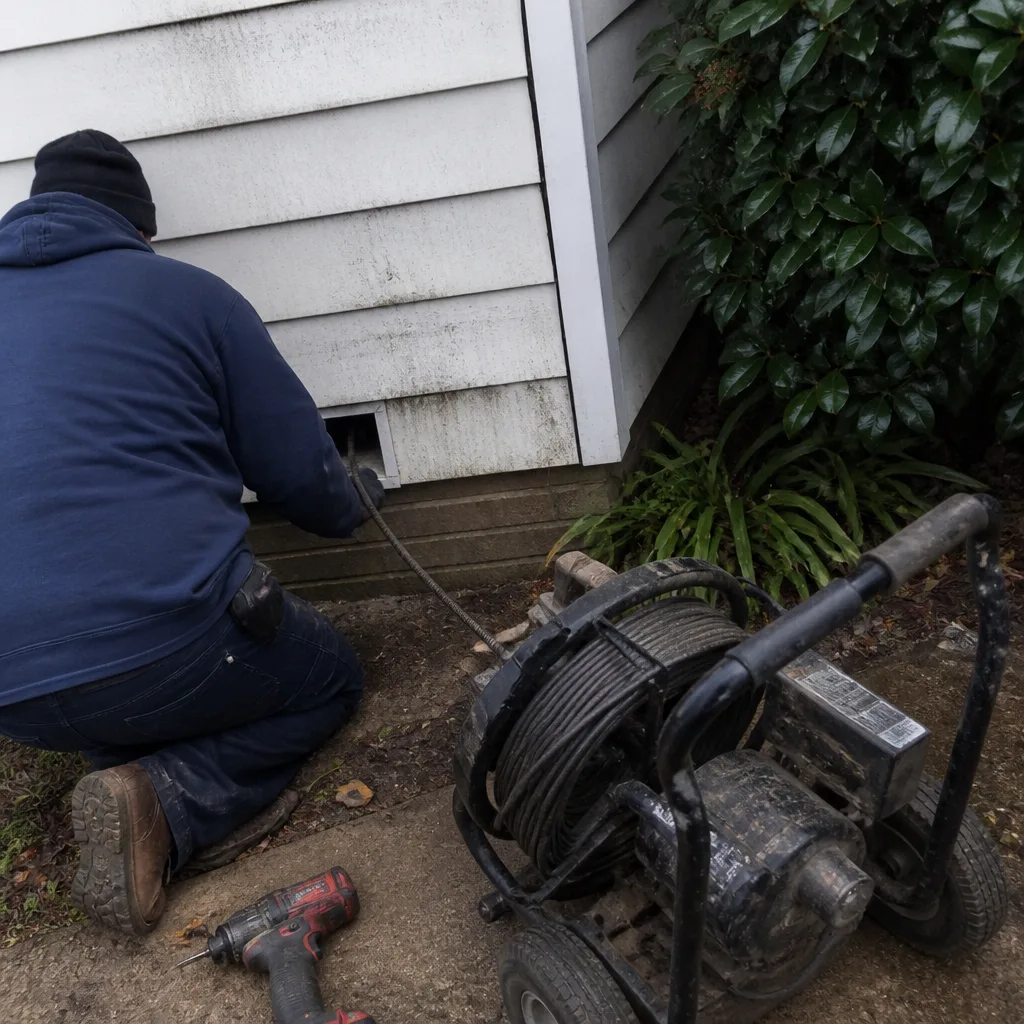 Before
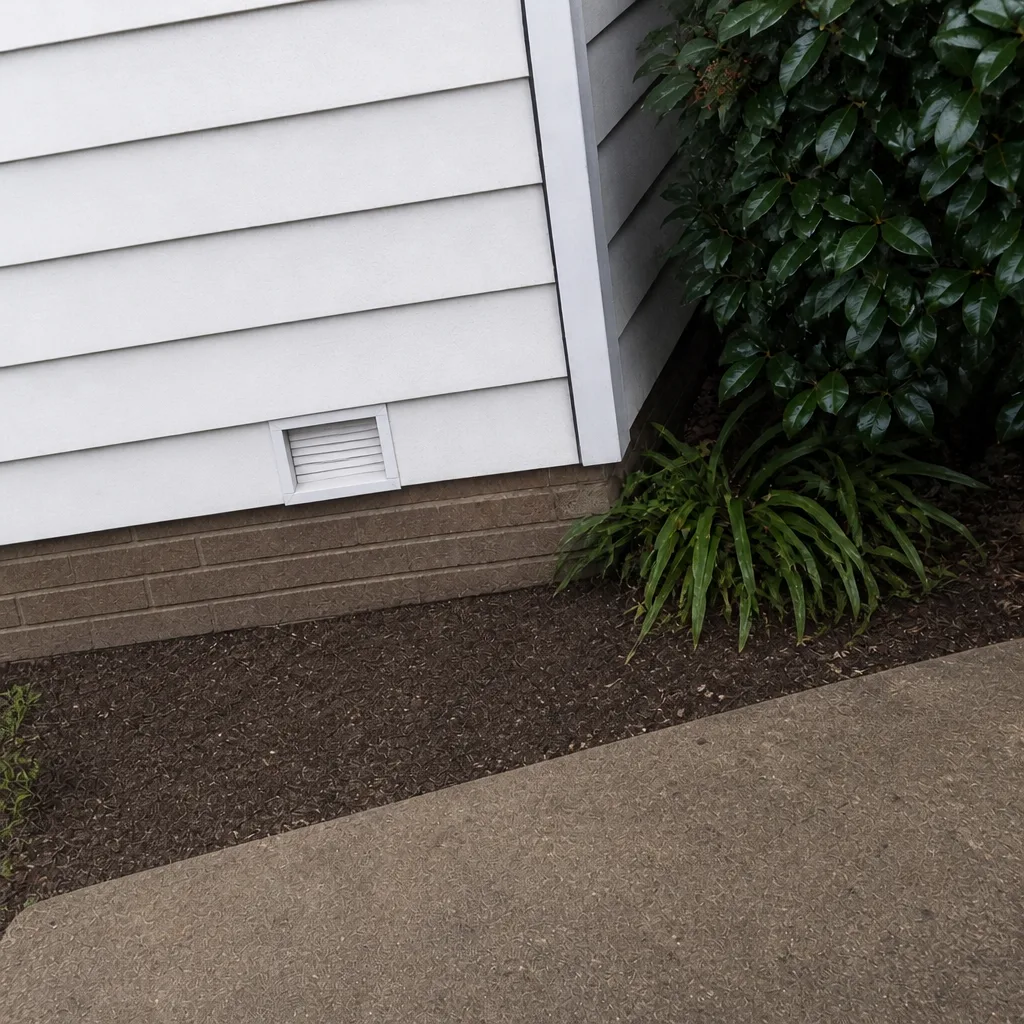 After
When to Call a Professional
Call a professional when you notice dust buildup on supply registers returning within weeks of a cleaning, a musty smell that shows up when the air handler kicks on, visible debris near the plenum, or a duct connection that’s visibly loose. In Hampton, where our technicians have up to 8 years of experience across the housing stock here, the same patterns show up: attics that run hot in summer and cold in winter, flex runs kinked around obstructions, and seal failures at collar connections after years of heat cycling. If you’ve had a home inspection and the report flagged duct issues, that’s a call too – a home inspector will see a loose connection but not the interior of the system. Duct Cleaning Hampton offers free estimates in Hampton – call (855) 356-4265. A written estimate with a clearly stated scope of work sets the final price and tells you exactly which side of the permit line your job falls on.
Frequently Asked Questions
No. Cleaning the interior of your ducts is a maintenance service that doesn’t require a building permit from the City of Hampton, and Virginia does not license duct cleaning as a standalone trade. A permit becomes relevant only if the work involves modifying the HVAC system, which is a different scope governed by a licensed contractor. Call (855) 356-4265 to confirm what your specific scope requires – the estimate is free.
Yes. Duct modification, sealing, or reconnection is HVAC work, and Virginia requires an HVAC contractor license under the Department of Professional and Occupational Regulation. Duct cleaning alone does not require a license, but any company altering the system does. Ask for the DPOR license class in writing before work starts, and verify it on the DPOR public lookup. Call (855) 356-4265 for a scope discussion – estimates are free.
Pricing is per system, not per vent, and a written estimate sets the final price on the day of the job. Per-vent teaser pricing is the bait-and-switch pattern this trade has a reputation for, and it’s what most complaints about “surprise invoices” trace back to. Ask for a flat whole-system price in writing – including what the price covers, which system components, and what’s excluded. Call (855) 356-4265 for an exact quote – estimates are free.
Ask for before-and-after photos from inside your ducts, not of the grilles. A company running professional-grade rotary brush and HEPA filtration equipment produces visibly different interior surfaces, and the photos are the proof. If a company won’t hand over before-and-after photos of your actual ducts, that’s the answer. Call (855) 356-4265 to schedule a free estimate and see the documentation standard first.
It’s a remediation issue, and it’s a separate scope from cleaning. Mold inside ductwork traces to a moisture source – high humidity, a leak at a collar, an oversized unit running short cycles – and cleaning without addressing the source won’t resolve it. Ask for interior photos of the condition, ask whether the scope is cleaning or remediation, and ask what the moisture source is. Call (855) 356-4265 for an honest assessment – the estimate is free.
Keep a written scope that separates cleaning from repair, before-and-after interior photos, a dated service summary describing what was cleaned and what was observed, and the filter specification for your system. If you’re renting or in military housing, confirm with the property manager what record they need on file. Documentation is what answers future questions without a re-inspection. Call (855) 356-4265 for a free estimate – we hand over the full record on every job.
The Bottom Line
Duct cleaning in Hampton is not a permitted, licensed service on its own. The moment a technician seals, modifies, cuts into, or reconnects your ductwork, the work becomes HVAC work, and Virginia requires a DPOR-licensed contractor for it. Interior mold remediation is a separate scope again. The reliable protection a homeowner has is a written scope of work agreed before the job starts, a DPOR license check on any contractor proposing duct modification, and a documentation package – interior before-and-after photos, a service summary, and equipment details – that you keep in the home’s file. Everything else is marketing. Duct Cleaning Hampton runs professional-grade Rotobrush and Nikro equipment and Abatement Technologies filtration, treats duct cleaning and duct repair as distinct scopes with written estimates, and stands by the work. One flat price per system, agreed before work starts.
Call (855) 356-4265 for a free estimate. We answer 24/7. Fast dispatch from 7am to 7pm, Sunday through Friday.
Written by the team at Duct Cleaning Hampton.