
Last updated November 15, 2026
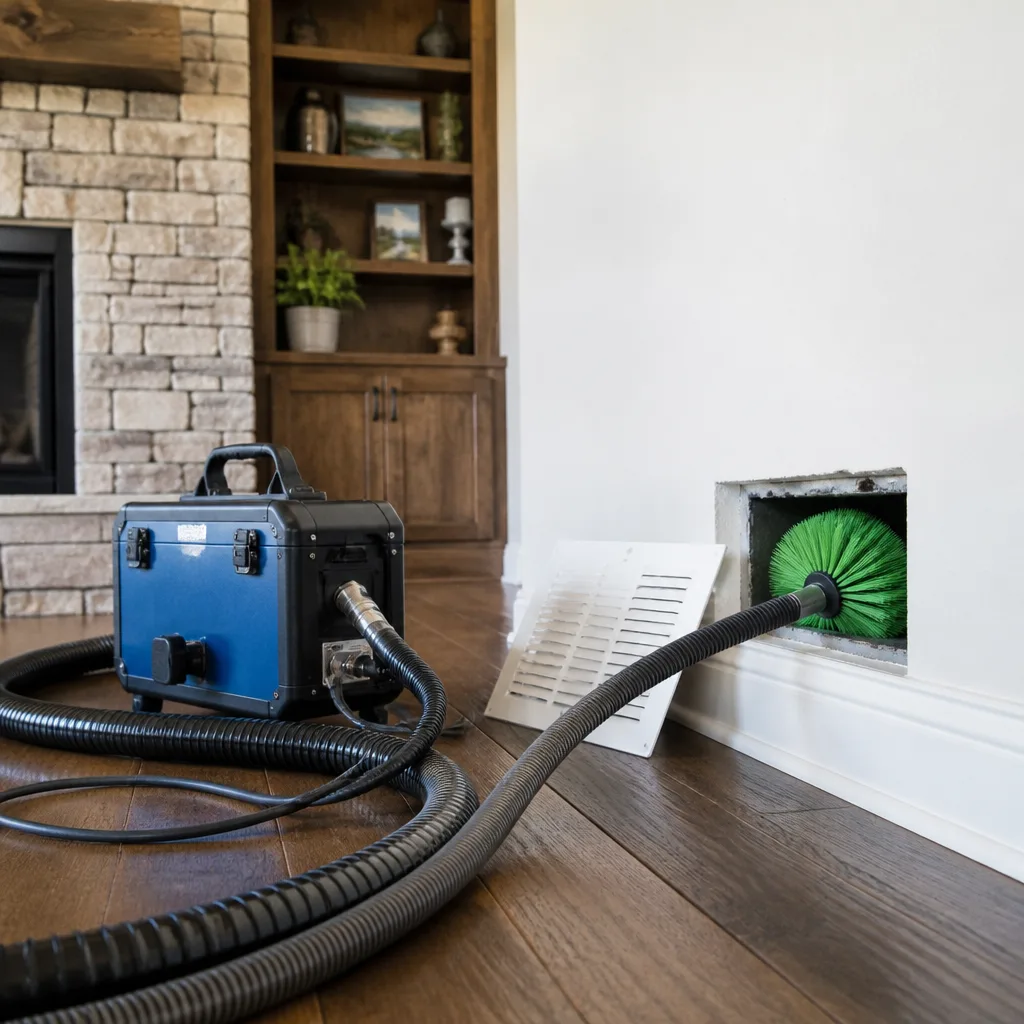 Whole-home duct cleaning
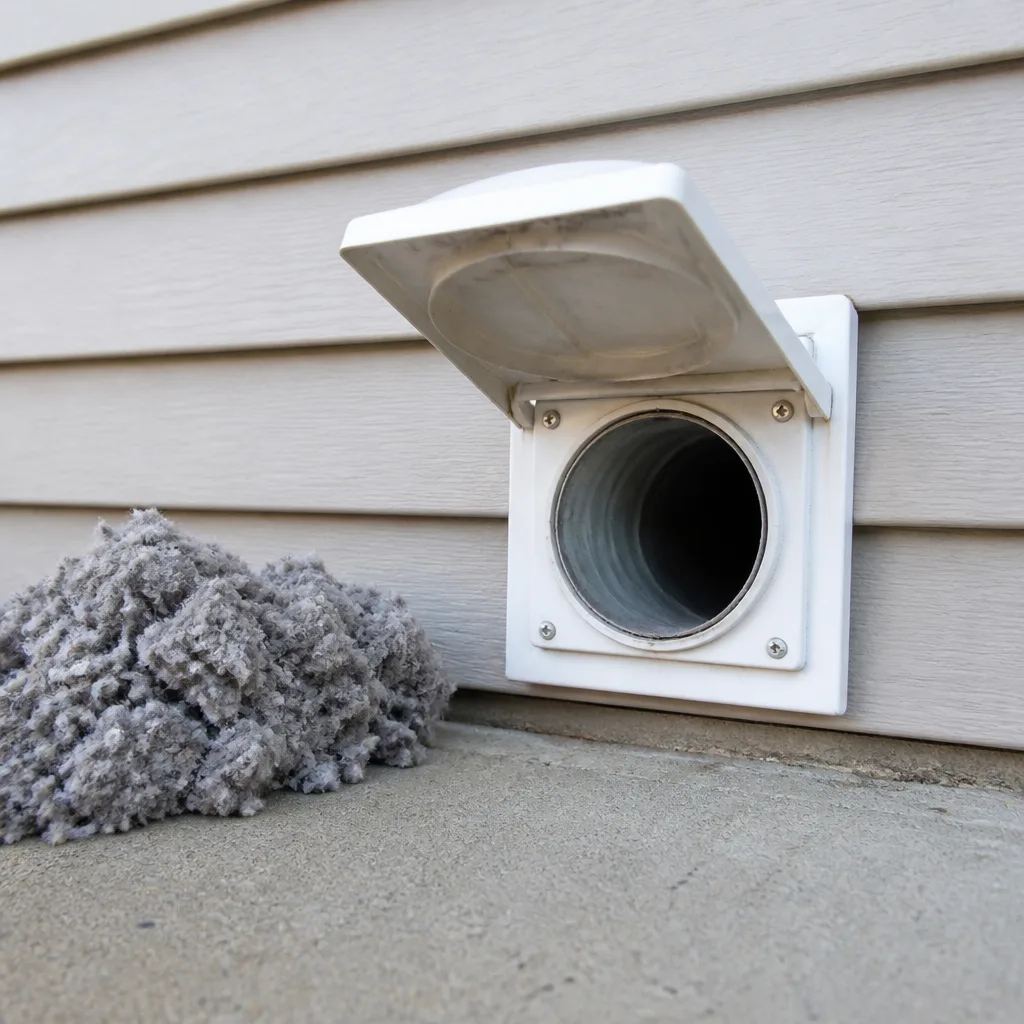 Dryer vent cleaning
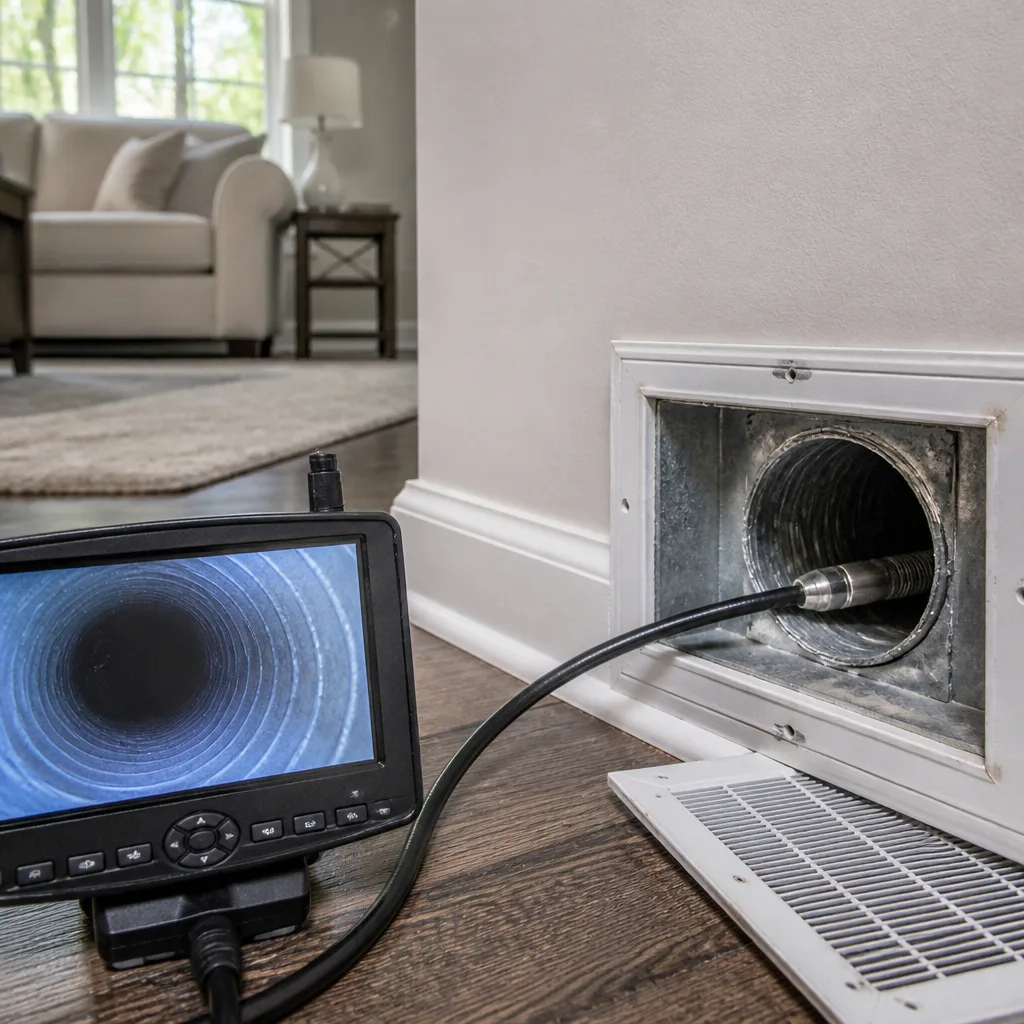 Camera inspection
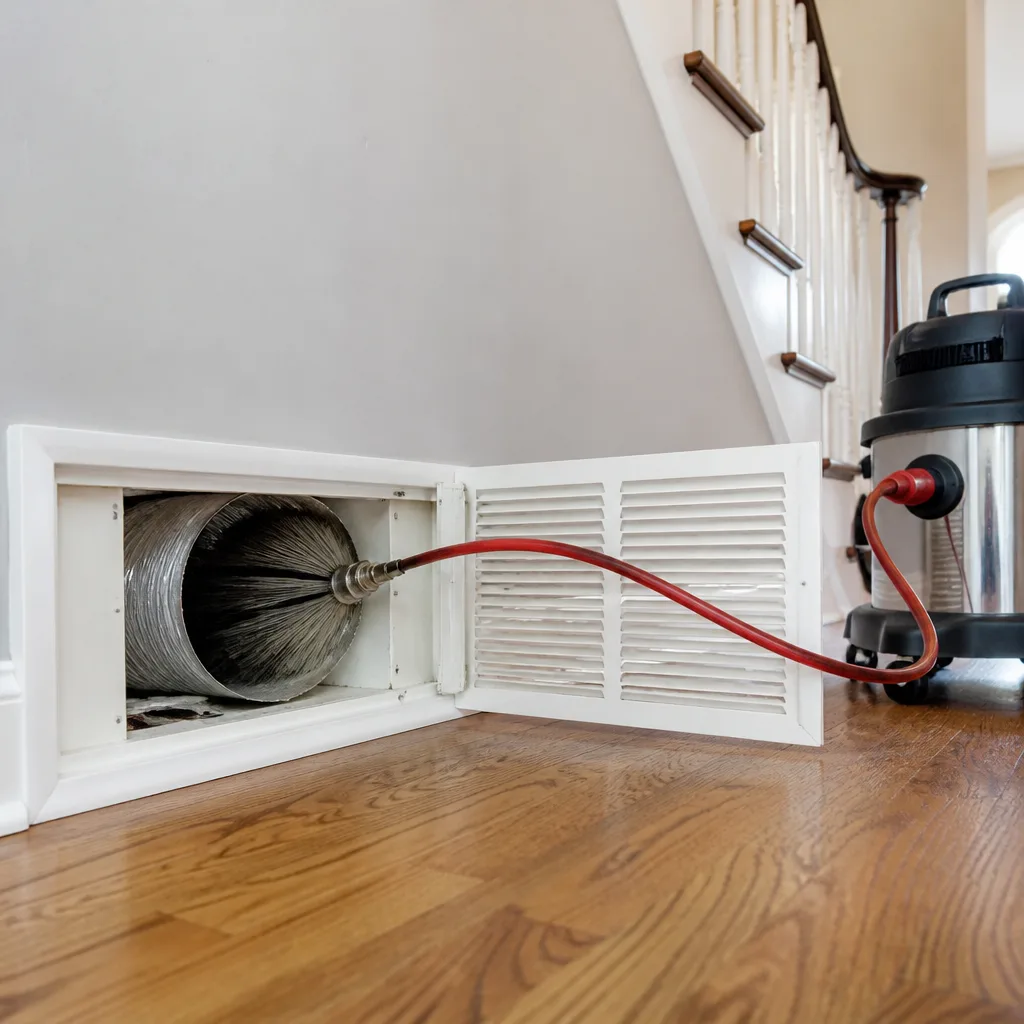 Sanitizing & deodorizing
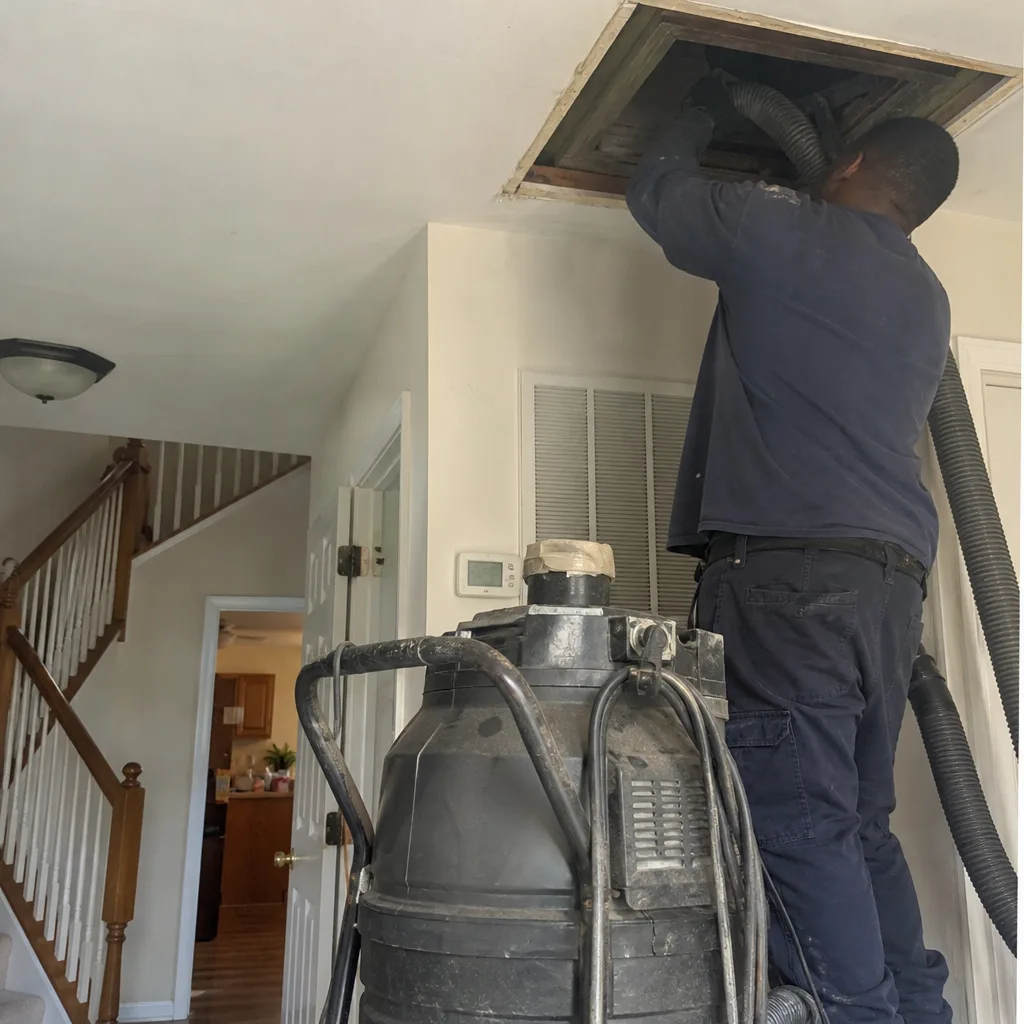
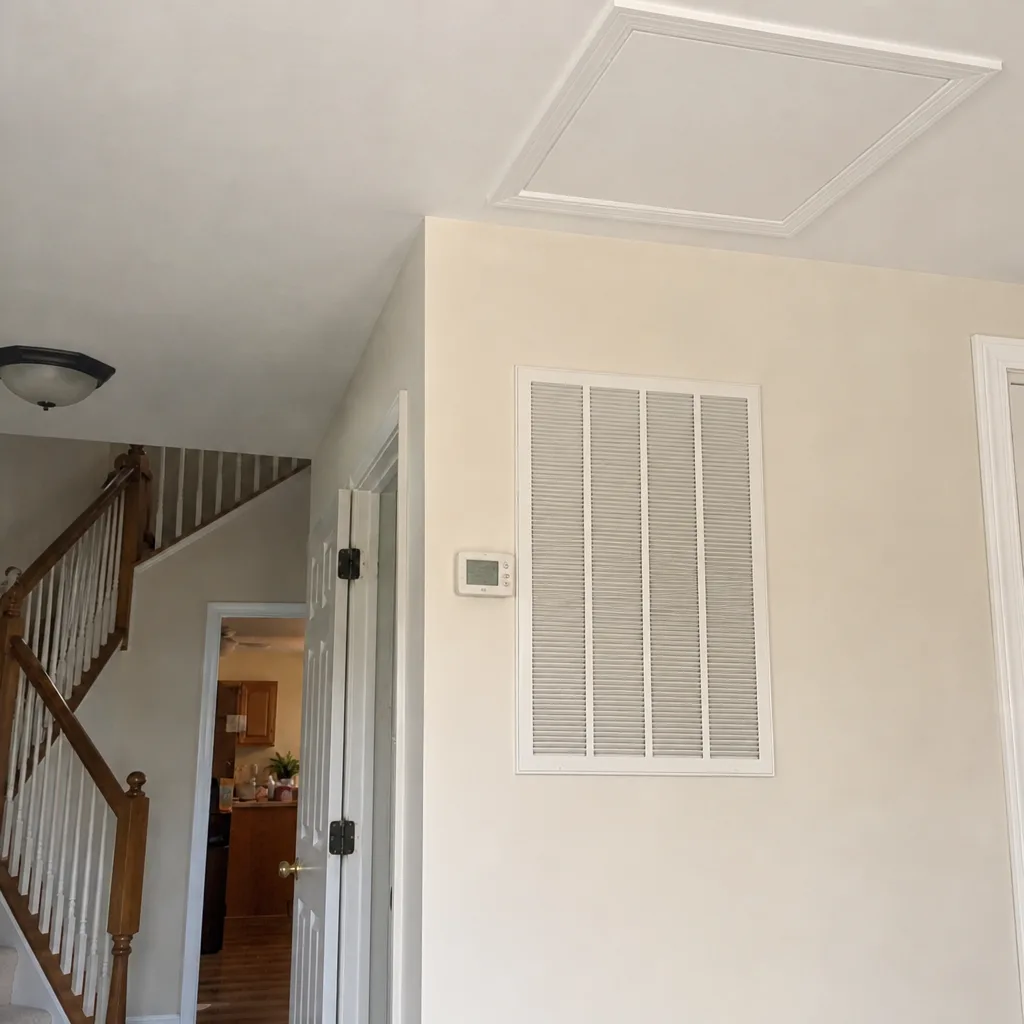
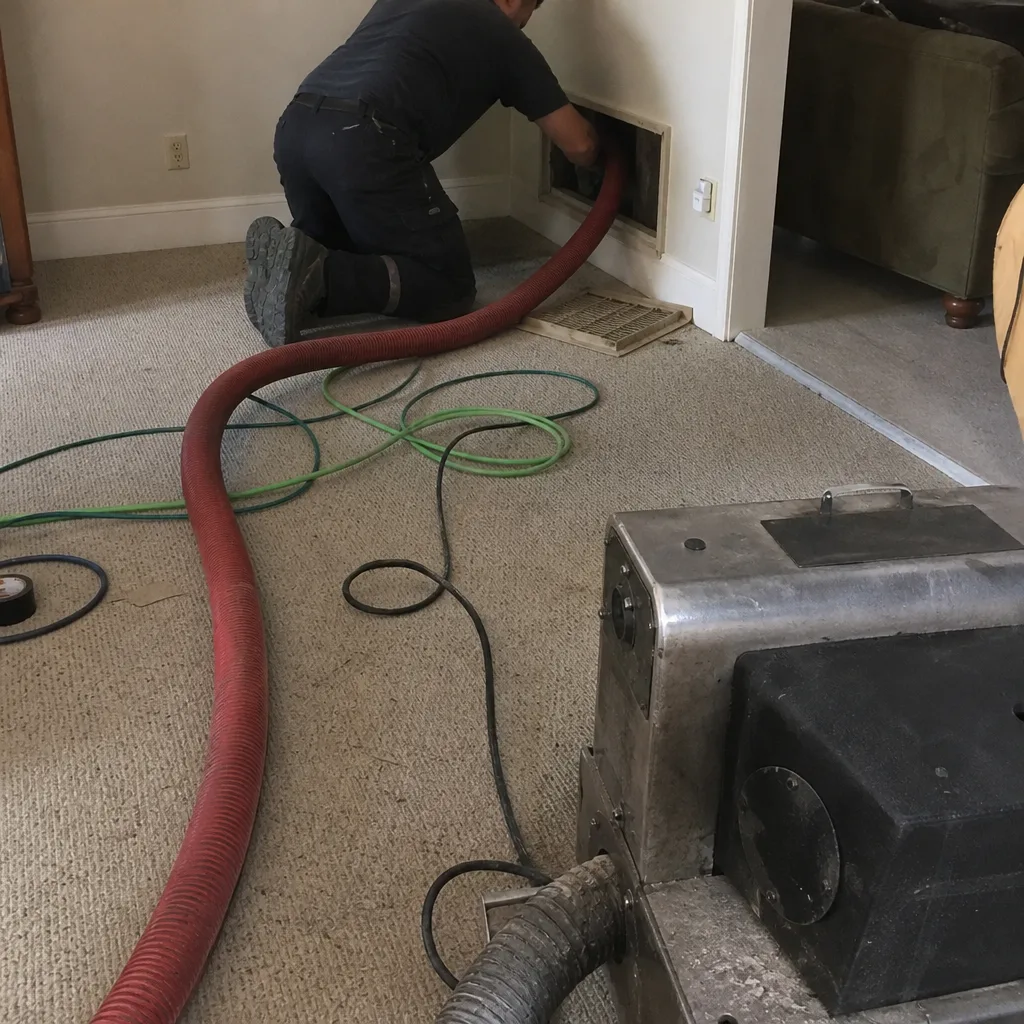
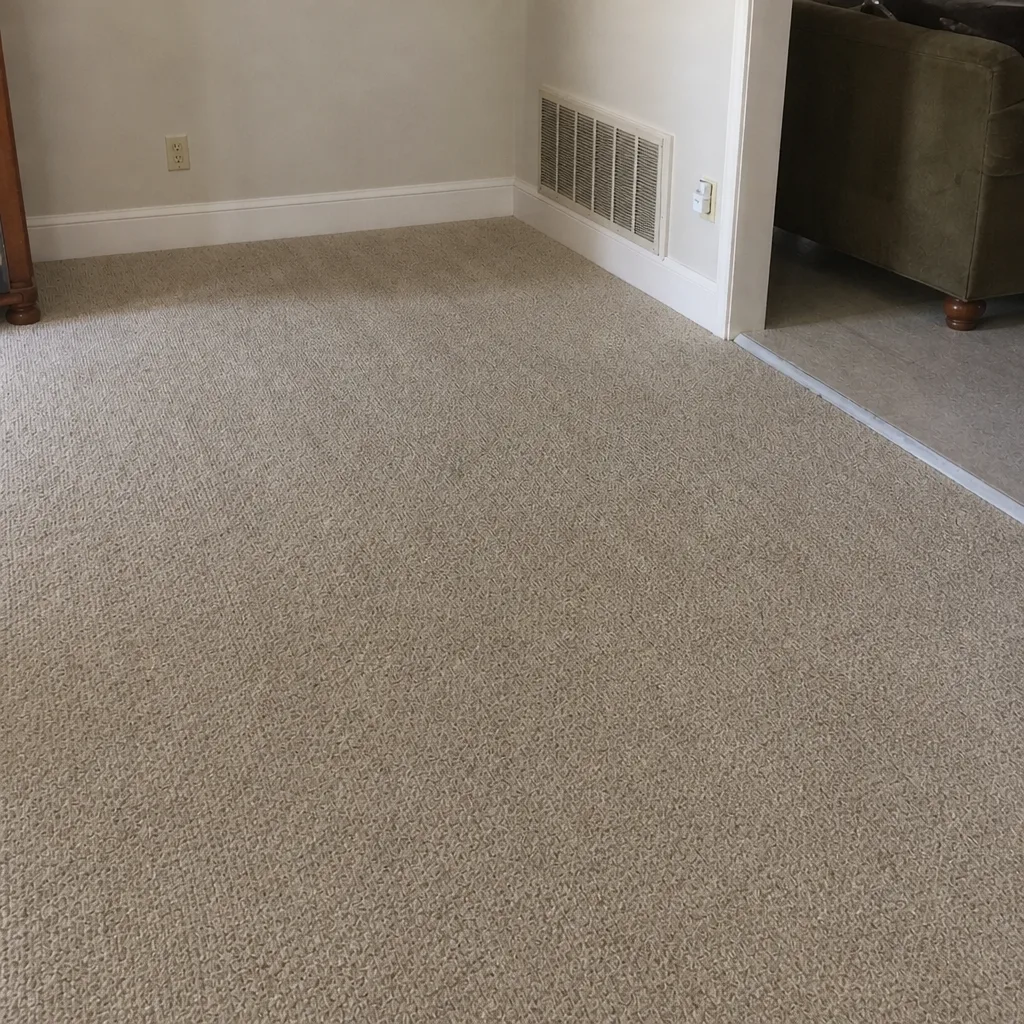
Whole-system duct and dryer vent check with before-and-after photos - you see exactly what came out of your vents
That "$99 whole-house special" is a bait ad - the real number appears once they are in your hallway, or the "clean" is a shop-vac at the register. We photograph the inside of your ducts before and after instead.
Air Duct Cleaning Maintenance Schedule: What to Do and When
Most air duct cleaning advice comes down to a tidy number: every three to five years, like clockwork. That number was written for a generic house in a generic climate. A Hampton home sitting over a humid crawl space, with its long damp summers and mild winters, runs a different clock entirely. Mold and dust don’t colonize ductwork on a calendar. They respond to moisture, pet load, how many people live in the house, and whether anyone has been sanding drywall in the hallway. This guide replaces the fixed interval with a condition-based framework you can actually inspect and apply. You’ll learn what to watch, what to do between professional cleanings, and when a real cleaning is genuinely due in Hampton.
Quick Answer
There is no single correct interval for air duct cleaning in Hampton. For most homes, the practical answer is to inspect every 12 to 18 months and clean only when the inspection shows meaningful contamination, which for many Hampton houses works out to roughly every 2 to 4 years, and sooner after a renovation, a moisture problem, or a new pet. If you have water intrusion or visible mold in or near the ducts, don’t wait for a schedule – have it assessed right away.
Styles & brands we work with
- Whole-home duct cleaning
- Dryer vent cleaning
- Camera inspection
- Sanitizing & deodorizing
Table of Contents
- Why the Generic 3-to-5-Year Rule Doesn’t Fit Hampton Homes
- The Condition-Based Cleaning Framework
- Your Home Inspection Checklist
- Using Filter Loading Rate as a Real-Time Signal
- What You Can Do Between Professional Cleanings
- How Renovation Resets the Contamination Clock
- What an 18-Month Rotobrush Inspection Pass Reveals
- Common Mistakes to Avoid
- When to Call a Professional
- Frequently Asked Questions
Why the Generic 3-to-5-Year Rule Doesn’t Fit Hampton Homes
That three-to-five-year figure gets repeated everywhere, and it isn’t wrong exactly. It’s just too blunt to be useful. It assumes a dry, sealed envelope, a moderate climate, and a house that isn’t doing anything unusual. Hampton houses rarely meet all three at once. Many sit above crawl spaces where summer humidity lingers, and the same warm, wet air that makes the region feel heavy in July is the air your duct system pulls through its return side every day.
We’ve learned to think of duct contamination as a rate, not a schedule. The rate depends on a handful of inputs that differ sharply from house to house:
- Moisture in the crawl space. A failing or missing vapor barrier feeds humidity upward. Damp duct surfaces give mold spores something to attach to. That timeline can be measured in months, not years.
- Occupancy density. Four people and two dogs shed far more skin cells, dander, and hair than two retirees. More occupants means faster loading on the return side.
- Pet load. A long-haired dog or a cat with free run of the house adds a steady stream of fine material that circulates and settles in the ducts.
- Filtration habits. A cheap filter run past its change date lets everything downstream get dirty faster. A properly fitted filter slows the rate noticeably.
- Renovation and construction. Drywall dust and sawdust are the single biggest short-term jump in contamination you’ll ever introduce.
The point isn’t that the three-to-five-year figure is a lie. It’s that the figure is an average across millions of houses, and your Hampton house is not the average. The useful question is never “when was the last cleaning?” It’s “how fast is this specific system getting dirty?” That’s what the rest of this guide helps you answer.
The Condition-Based Cleaning Framework
Instead of tracking years, track conditions. This is the framework we walk homeowners through, and it works whether you own an older bungalow near the water or a newer build inland. The idea is to score your system on a few observable factors, then let those factors set your inspection and cleaning timing.
Here’s how it works as a practical process:
- Check the crawl space vapor barrier first. Look for tears, gaps, or a barrier that’s pulled away from the foundation. If moisture is getting up from the soil, fix that before you think about duct cleaning – otherwise you’re cleaning into a wet system that will re-contaminate.
- Assess duct material and age. Sheet metal with sealed joints holds up and stays cleaner longer. Older flex duct, sagging runs, and unsealed joints collect debris and let humid air in. The older and looser the ductwork, the shorter your realistic interval.
- Count your load. People, pets, smoking indoors, and how often doors and windows stay open all factor in. A busy household with pets should inspect more often.
- Log renovation events. Any drywall cutting, floor sanding, or insulation work resets the clock. Note the date and plan an inspection within a few months of finishing.
- Watch your filter. The rate at which your filter loads is one of the best real-time indicators you have, covered in its own section below.
- Set an inspection interval. For most Hampton homes, 12 to 18 months between inspections is sensible. Clean only when the inspection justifies it.
When you score these honestly, the “when” takes care of itself. A tight two-bedroom with a healthy crawl space barrier and a clean filter is on a completely different timeline than a busy family house over a damp crawl space with three cats and a recent kitchen remodel.
Your Home Inspection Checklist
An inspection that takes twenty minutes tells you more than a calendar ever will. You don’t need to open the system up – just look at the accessible pieces. Work through this checklist each time you’re about to change a filter or at the change of season. You’ll start noticing patterns, which is the whole point.
- Vapor barrier condition. From the crawl space access, check that the plastic is intact, lapped, and sealed to the foundation wall. Tears and bare soil mean moisture is rising into the system.
- Visible moisture or staining. Look at the ducts near the air handler, at flex connections, and around registers. Rust, dark staining, or a musty smell pointing to one area is a signal, not normal.
- Dust on the return grille. A grille that fuzzes up within weeks is loading fast. A grille that stays clean for months is telling you the system is running clean.
- Register dust patterns. Heavy dust at a few registers but not others often points to leaky or disconnected duct runs rather than a whole-system problem.
- Duct material. Note where you have metal versus flex, and whether joints are taped and sealed or loose and sagging.
- Filter fit. Check that the filter is snug in its slot. A gap around the edges lets unfiltered air bypass the filter entirely.
- Smell test near the registers. A musty note when the blower kicks on usually points to moisture somewhere in the system or the space it draws from.
Keep a simple note of what you saw each time. After two or three checks you’ll have a personal trend line for your house – far more reliable than any generic number. For a deeper look at what a full cleaning involves once conditions warrant it, see our air duct cleaning service page.
Using Filter Loading Rate as a Real-Time Signal
Your air filter is the cheapest diagnostic tool in the house, and almost nobody reads it correctly. The rate at which the filter goes from clean to visibly gray is a direct readout of how much material is moving through your system. Change the filter, mark the date, and watch. That single habit beats guessing at years.
Here’s how to read it:
- Filter still clean after roughly three months: Your system is running clean. Stay on the standard change interval and inspect annually.
- Filter visibly dirty in about a month or two: Load is high. Something is shedding material – pets, renovation, leaky duct runs pulling from the crawl space, or a nearby busy road. Investigate the source before assuming you need a full cleaning.
- Filter heavily loaded in weeks: This is the strongest signal that a professional inspection is due now, not next year.
On filter selection: a MERV-8 catches most of the coarse material without straining your blower, and a MERV-11 catches finer particles for allergy-sensitive households. Going much higher on a residential system that wasn’t designed for it can choke airflow, so match the rating to your equipment rather than pushing for the highest number. A properly chosen filter slows contamination throughout the system, which extends the time between cleanings and keeps your equipment happier. If you use a Honeywell or Aprilaire filtration setup, its housing and specs tell you what filter fits and how often to expect a change.
One thing worth saying plainly: the filter protects the equipment and slows the load, but it doesn’t clean the ducts. It reduces the rate of contamination. It doesn’t reverse the contamination already sitting on the duct walls. That’s a mechanical cleaning job. But as a real-time gauge, your filter is genuinely useful, and it costs you nothing to read it.
What You Can Do Between Professional Cleanings
Some homeowner maintenance genuinely extends system cleanliness. Some of it does nothing, and a little of it makes things worse. Knowing the difference saves you effort and, in a couple of cases, avoids real damage to your ductwork.
Tasks that help:
- Change filters on schedule. The single most effective thing you can do. A fresh filter in a snug slot keeps the load down every day.
- Keep the return grilles clean. Vacuum the face of the return grilles with a brush attachment every month or two. It’s surface cleaning, but it keeps the visible material from feeding back into the return.
- Manage crawl space moisture. Keep the vapor barrier intact and sealed. Fix gutters and grading so water drains away from the foundation. Dry ducts stay cleaner.
- Seal obvious leaks. Duct tape on a sagging joint is a stopgap, but it helps. Loose, unsealed runs pull crawl space air straight into your living space.
- Control indoor humidity. High indoor humidity feeds the whole cycle. Keeping it in check pays off in the ducts.
Tasks that do nothing, or hurt:
- Vacuuming registers with a household vacuum. It can’t reach past the grille. On some machines it just blows fine dust back into the room.
- Spraying “duct cleaner” products into the system. Without mechanical cleaning, sprays just wet dust or coat surfaces. They don’t remove the material on the duct walls.
- Opening registers in unused rooms to “dry them out.” That often pushes more humid air through a run that was fine when it was closed.
- Duct-taping over a gap and calling it repaired. Tape fails fast on HVAC ductwork. A permanent fix belongs to proper sealing or duct repair.
How Renovation Resets the Contamination Clock
Nothing beats renovation for loading a duct system. Drywall dust, sawdust, and insulation fibers are fine, airborne, and they flow into every open register and return the moment any air handler runs. It doesn’t matter when the last professional cleaning was. A renovation resets the clock, and ignoring that is the most common scheduling mistake we see.
The practical sequence for a renovation in Hampton works like this:
- Before demolition or drywall work, seal the registers and returns. Cover them with plastic and tape so dust never gets the chance to enter. This is the cheapest possible protection.
- Run the system as little as possible during heavy dust phases. If you must run it for comfort, plan on a filter change right after.
- After the work, change the filter immediately. Then change it again after a few days, because the first filter will load fast.
- Book an inspection a few months out. This is when a professional pass tells you whether the dust reached the ducts and whether a cleaning is due.
The same logic applies to any event that produces airborne debris: attic insulation replacement, sanding floors, cutting in a new vent, or a major HVAC repair. Log the date, let the dust settle, then let the inspection decide. For homes where a leaky or disconnected run was the original problem – and the debris was really coming from the crawl space all along – a proper air duct repair is the right next step before or alongside cleaning. Our broader service overview at Duct Cleaning Hampton covers how we handle these connected jobs under one roof.
What an 18-Month Rotobrush Inspection Pass Reveals
By about 18 months, most homeowners have a genuine question: is it time to clean, or not? That’s where a professional inspection earns its keep. We run a Rotobrush inspection pass – a look inside the system with the rotary brush system set up and running – without committing to full cleaning unless the ducts show they need it. The equipment is purpose-built for this, which is exactly why we run it rather than a repurposed shop vac.
What that pass shows is specific:
- The actual condition of the duct walls. A rotary brush pulls up the material on the walls, so we can see whether the surface is loaded or relatively clear.
- Where the contamination sits. A single return trunk, one detached flex run, or the whole system – the pattern tells us whether a full cleaning or a targeted repair-plus-clean is the right call.
- Moisture and staining evidence. Staining or dampness near the air handler or a flex connection shows up clearly on inspection and points to a moisture source worth addressing.
- Whether the system can be cleaned effectively. If there are disconnected runs or deteriorated sections, we clean what’s intact and identify what needs repair.
Our technicians have up to 8 years of experience running this equipment, and the read from an inspection pass is the single most useful piece of information in the whole maintenance question. It’s the difference between spending on a cleaning you don’t need and skipping one you do. For homeowners who only notice symptoms – musty odor, dust on the grilles, that question of whether it’s time – the inspection pass answers it directly. When we do recommend a cleaning, we pair it with equipment like our Nikro industrial units and containment gear from Abatement Technologies so the dust we disturb ends up in a filter, not back in the room.
Common Mistakes to Avoid
- Treating “every three to five years” as gospel. It’s an average, not a prescription. Your Hampton house has its own rate, and the framework above is how you find it.
- Booking a cleaning every year whether it needs it or not. Regular cleaning of a system that isn’t dirty doesn’t help and can disturb seals. Inspect, then decide.
- Ignoring the crawl space. Cleaning ducts while a failed vapor barrier keeps feeding humidity is a losing battle. Fix the source before the symptom.
- Letting a filter go past its change date. A clogged filter forces the system to work harder and pushes the extra load downstream. Change it on schedule, every time.
- Forgetting that a renovation resets everything. A house that was just through drywall work is dirtier than its age or last cleaning date suggests.
- Skipping dryer vent cleaning because it’s a separate duct. The dryer vent is a fire risk and an airflow problem, distinct from the air ducts. See our dryer vent cleaning page for how that schedule works.
- Hiring on price alone. A low number that turns into a big invoice on the day is the classic bait-and-switch. Ask what equipment will actually be used inside the ducts before you book.
When to Call a Professional
Some situations don’t fit a schedule and call for a professional look now. If you smell a musty odor every time the heat or air kicks on, if you’ve noticed visible mold near the registers or the air handler, or if an occupant has started reacting to dust and allergens indoors, that’s an inspection-worthy signal. The same goes for a major renovation just completed, a recent water event or crawl space flooding, a pet or occupancy change that’s clearly fast-loaded your filter, or a filter that loads in weeks. And any suspected disconnected or damaged duct run is worth checking before you clean – a proper Hampton home gets a firm answer on the diagnosis before we touch the system.
Duct Cleaning Hampton offers free estimates in Hampton – call (855) 356-4265. The estimate is free, the price is set per job by the written estimate, and we work on the system, not just the surface. We can also tell you what your filter loading rate is telling you while we’re there.
Frequently Asked Questions
Most Hampton homes should be inspected every 12 to 18 months and professionally cleaned roughly every 2 to 4 years, though the real answer depends on your crawl space, pets, occupancy, and renovation history rather than any fixed interval. A house over a damp crawl space with a busy family and pets will need attention sooner than a tight home with a clean barrier. Call (855) 356-4265 for a free inspection-based estimate.
Yes, a warm, humid climate and homes sitting over crawl spaces generally push duct contamination faster than a dry climate would, because damp duct surfaces let mold and dust attach more readily. The practical fix is keeping your vapor barrier intact and inspecting on a 12-to-18-month rhythm so you catch contamination early. Call (855) 356-4265 to schedule an inspection pass.
Look for visible dust loading on the return grille, a musty smell when the system runs, a filter that goes visibly dirty in a month or two, or staining and moisture near the air handler – those are the signals worth acting on. If none are present and the filter stays reasonably clean, a cleaning likely isn’t due yet. An inspection pass tells you for sure; call (855) 356-4265 for a free estimate.
You need an inspection after a renovation, and often a cleaning, because drywall dust and sawdust are the biggest quick-load events a duct system faces. Seal your registers before the work starts and change the filter immediately after it ends. Call (855) 356-4265 to book a post-renovation inspection.
Look for purpose-built mechanical cleaning equipment like a Rotobrush rotary brush system and industrial-grade units such as Nikro, plus containment and filtration gear from a name like Abatement Technologies – not a repurposed shop vac. Ask what will physically go inside the ducts before you book. Duct Cleaning Hampton uses that equipment, and you can call (855) 356-4265 for a free estimate.
You can handle the surface items – vacuum the return grilles, change filters on schedule, keep the vapor barrier intact, and keep indoor humidity in check – but you can’t mechanically clean inside the ducts with household tools. Sprays and shop vacuums don’t remove material from the duct walls, and some “cleaners” just wet the dust. Call (855) 356-4265 when a real cleaning is due.
The Bottom Line
The three-to-five-year rule is a starting point, not a schedule. The real driver of duct contamination in Hampton is conditions: crawl space moisture, duct material and age, pets, occupancy, filtration habits, and renovation events. Inspect every 12 to 18 months, watch your filter loading rate, keep the vapor barrier intact, and let a condition-based read – ideally an 18-month Rotobrush inspection pass – decide when a full cleaning is genuinely warranted. That approach keeps you from cleaning a system that doesn’t need it and from ignoring one that does. Professional-grade equipment, not repurposed shop vacs, is what separates a real cleaning from a surface pass. Call (855) 356-4265 for a free estimate, backed by a written price agreed before work starts.
Written by the team at Duct Cleaning Hampton.
See the difference
 Before
 After
 Before
 After
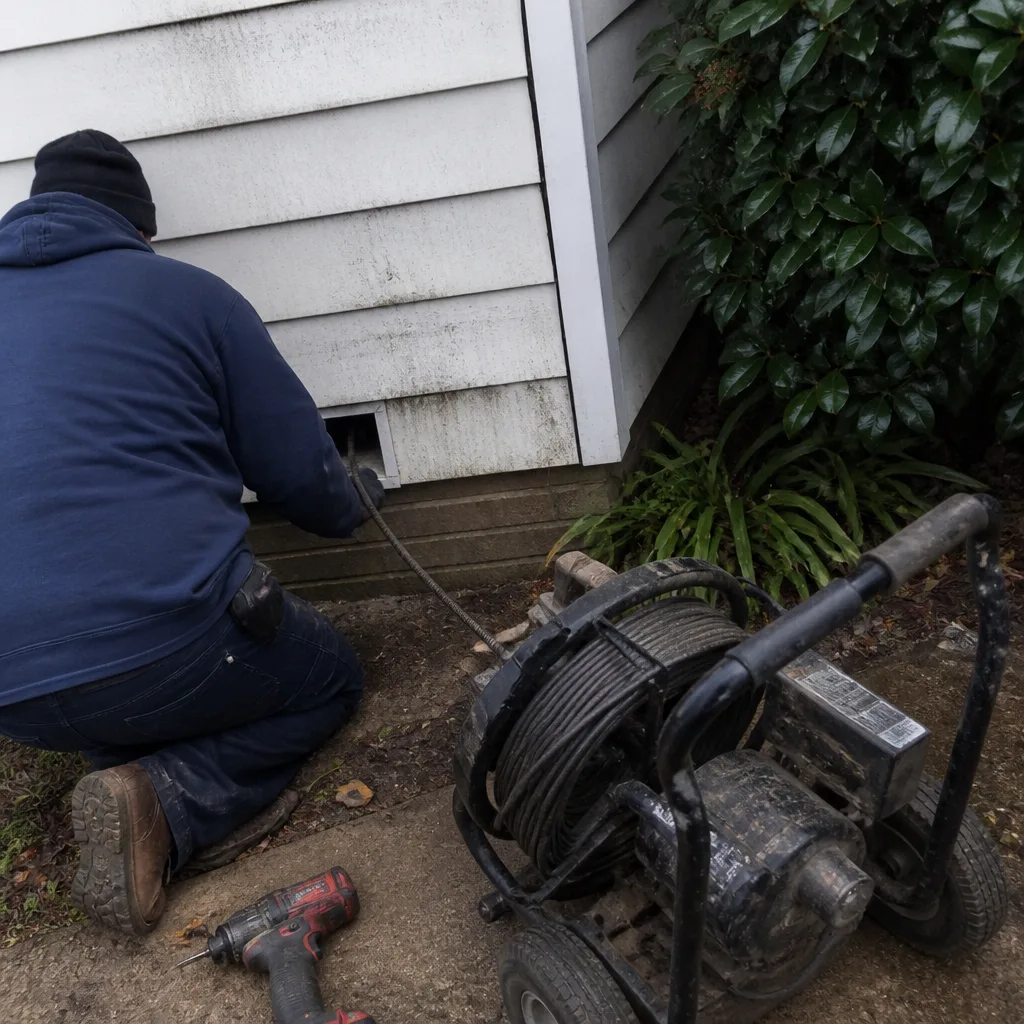 Before
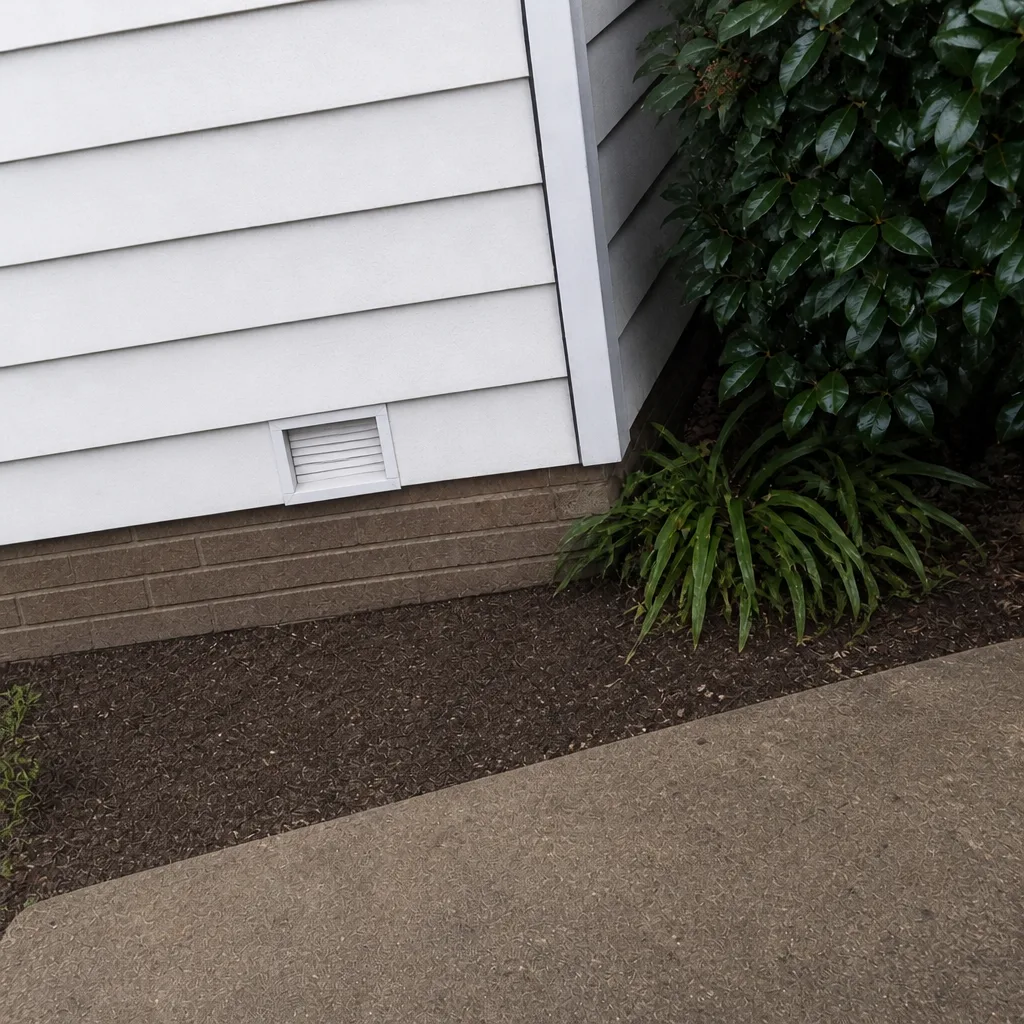 After