
Last updated November 15, 2026
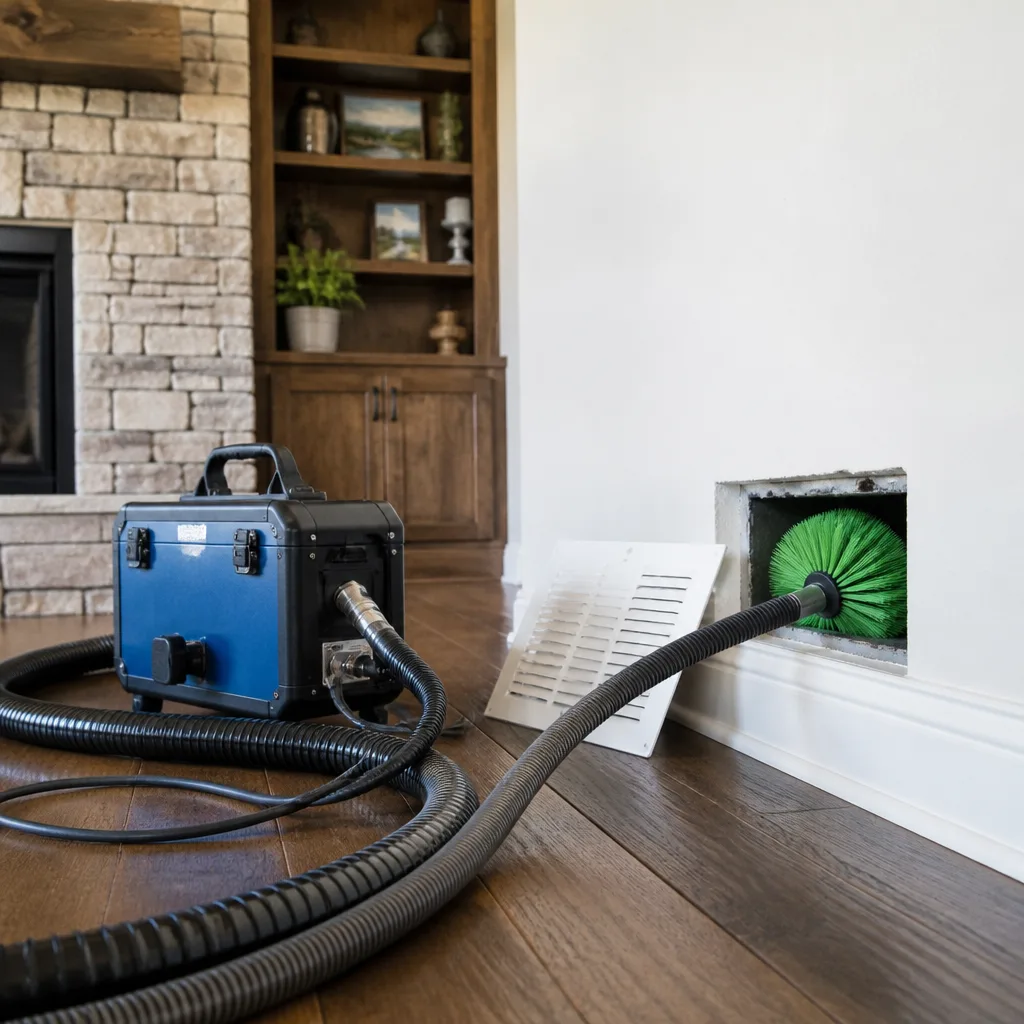 Whole-home duct cleaning
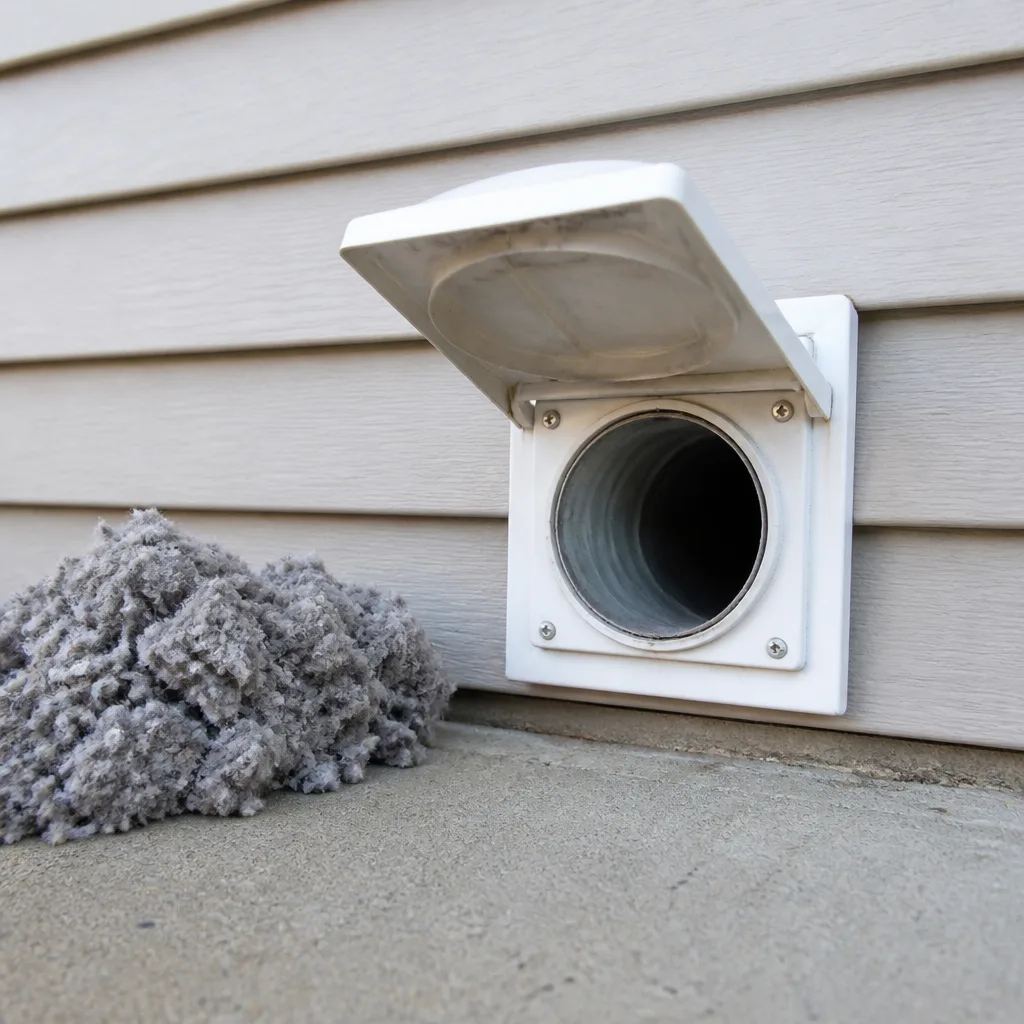 Dryer vent cleaning
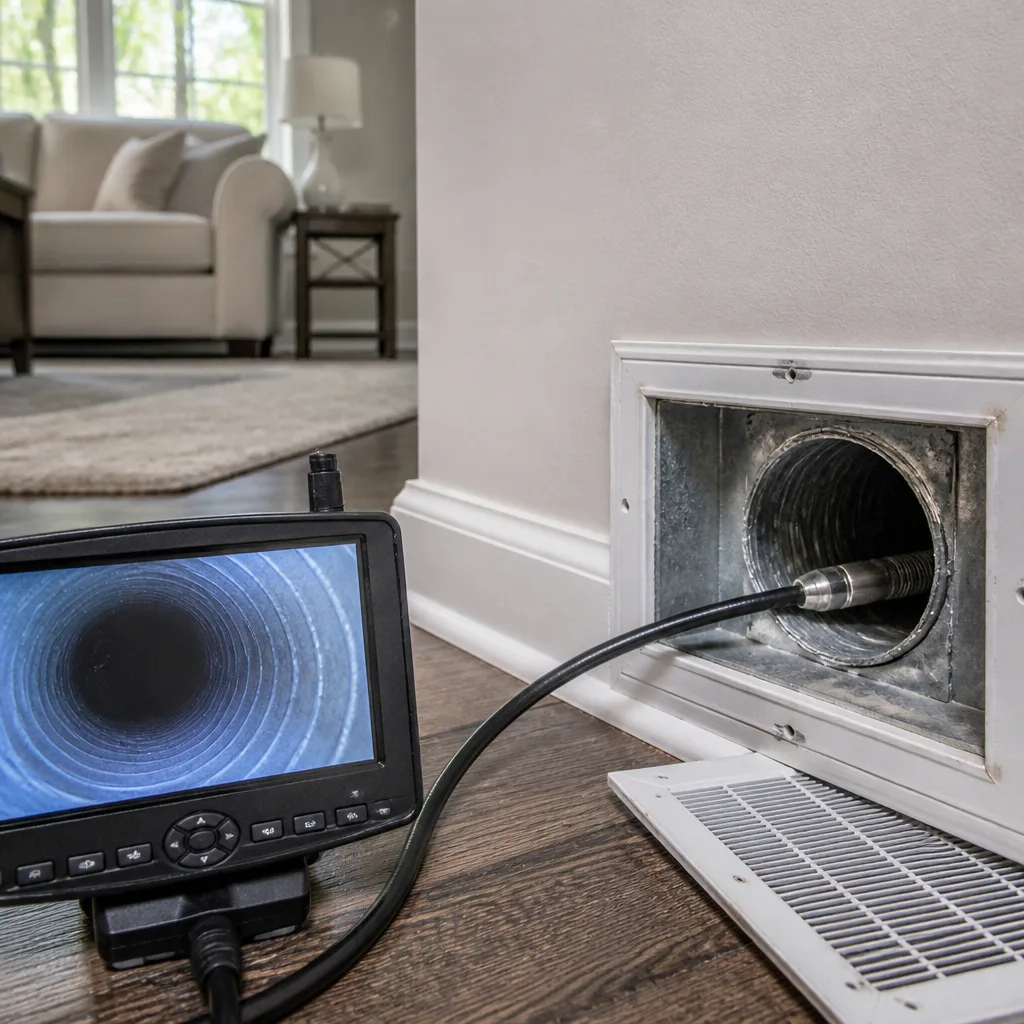 Camera inspection
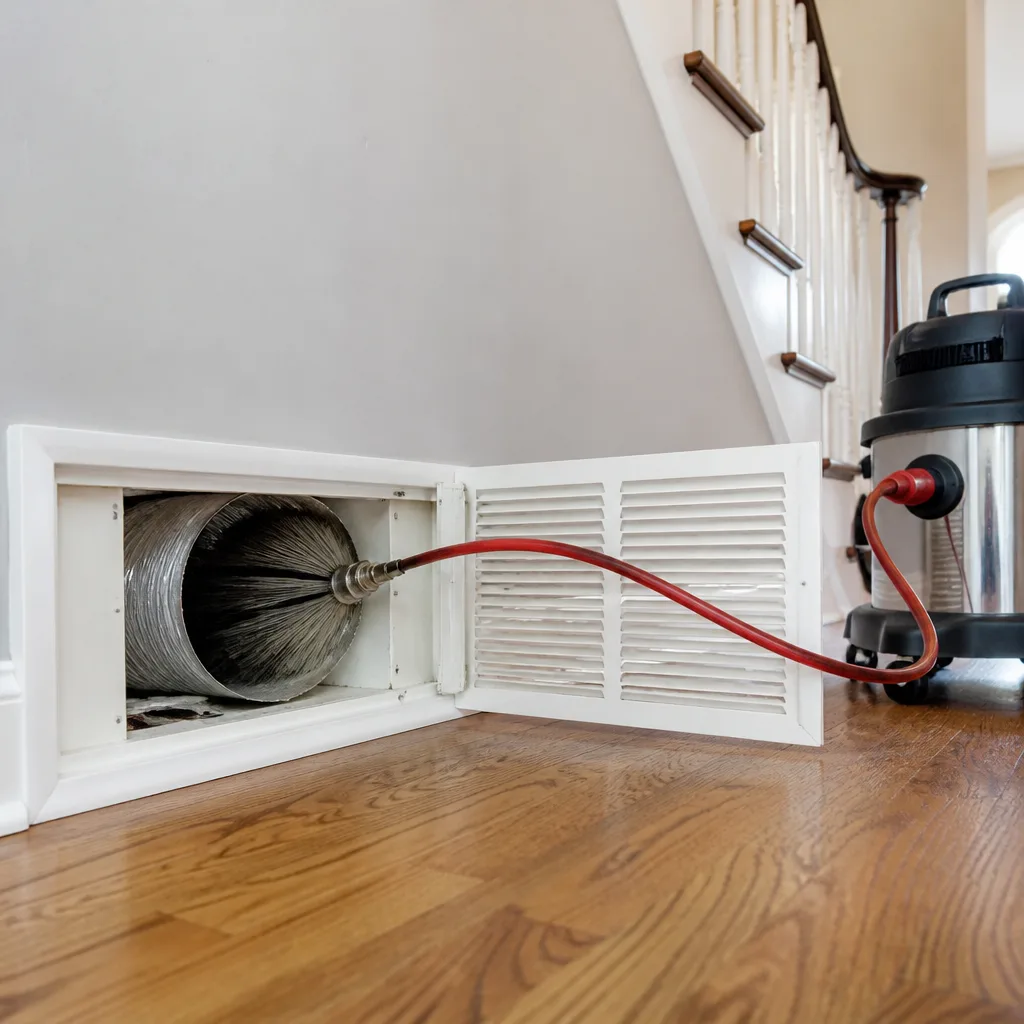 Sanitizing & deodorizing
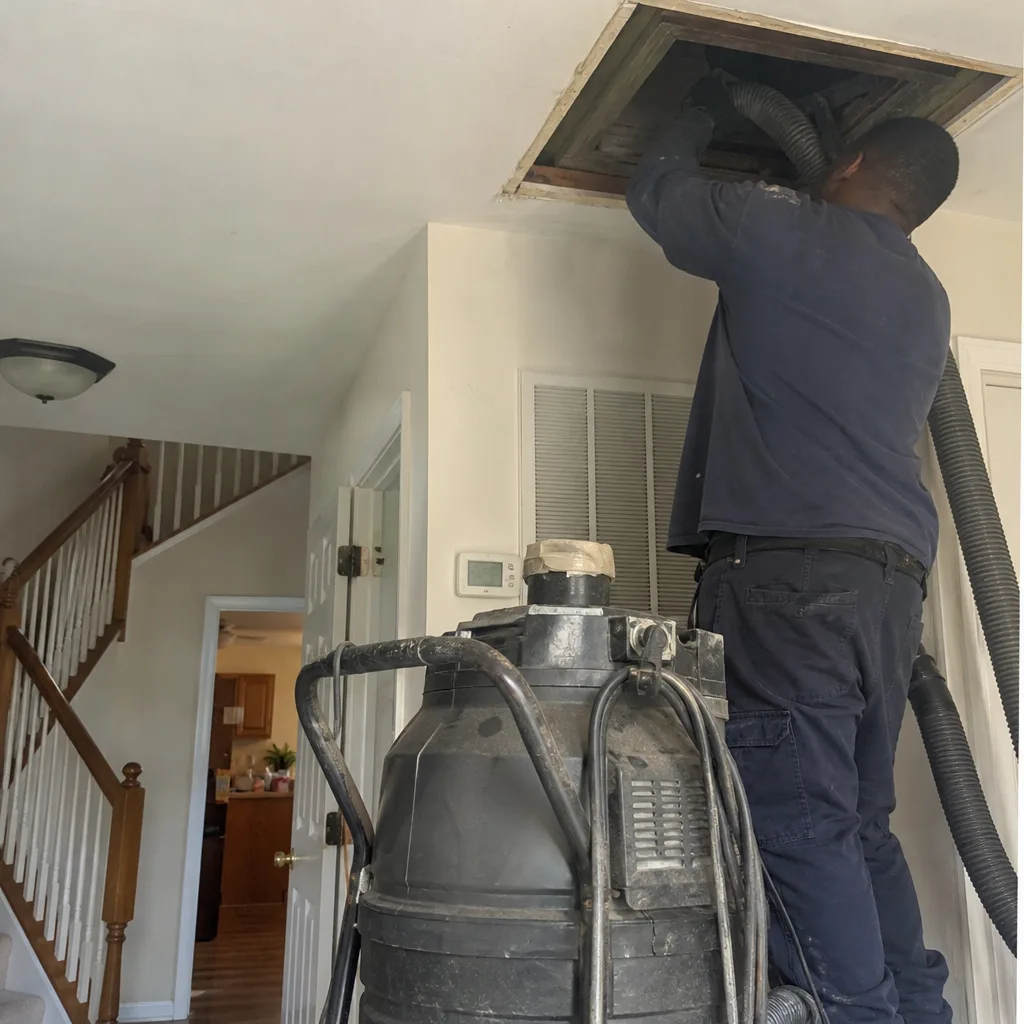
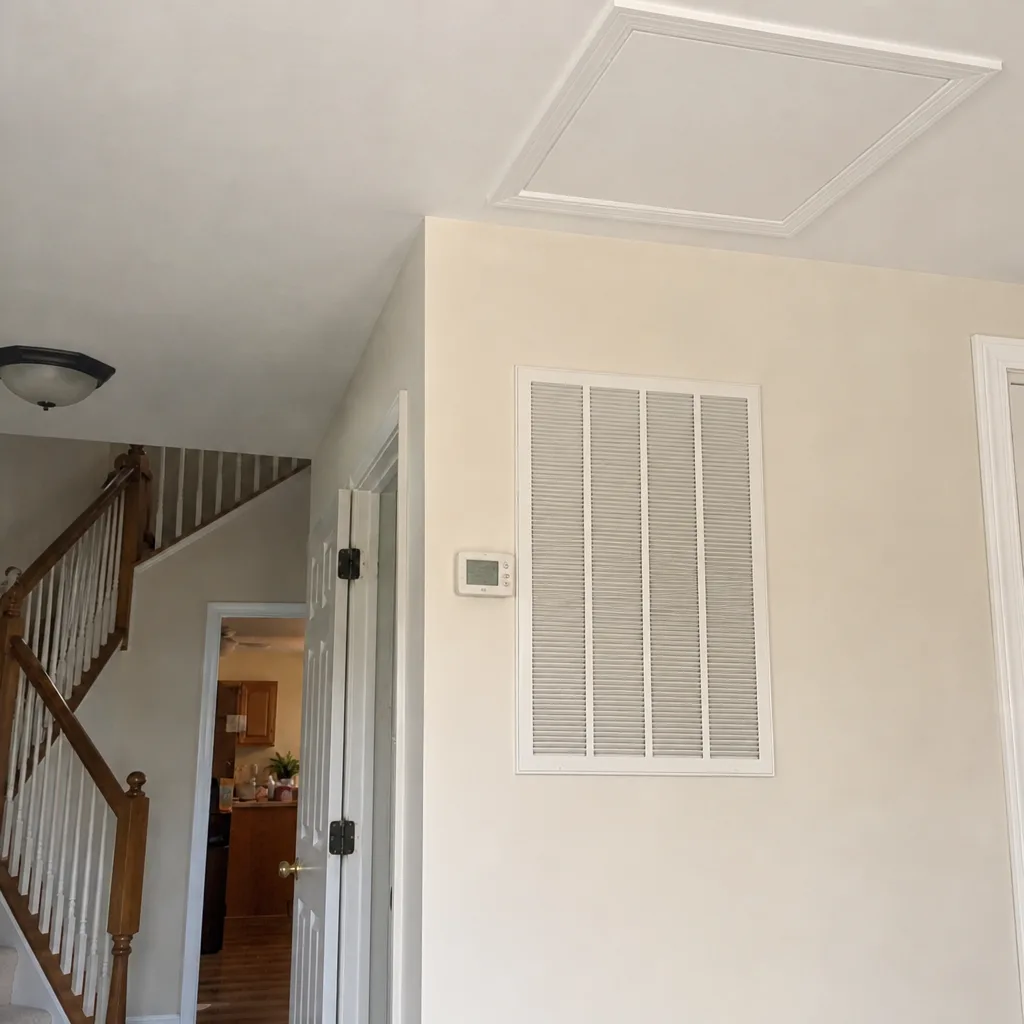
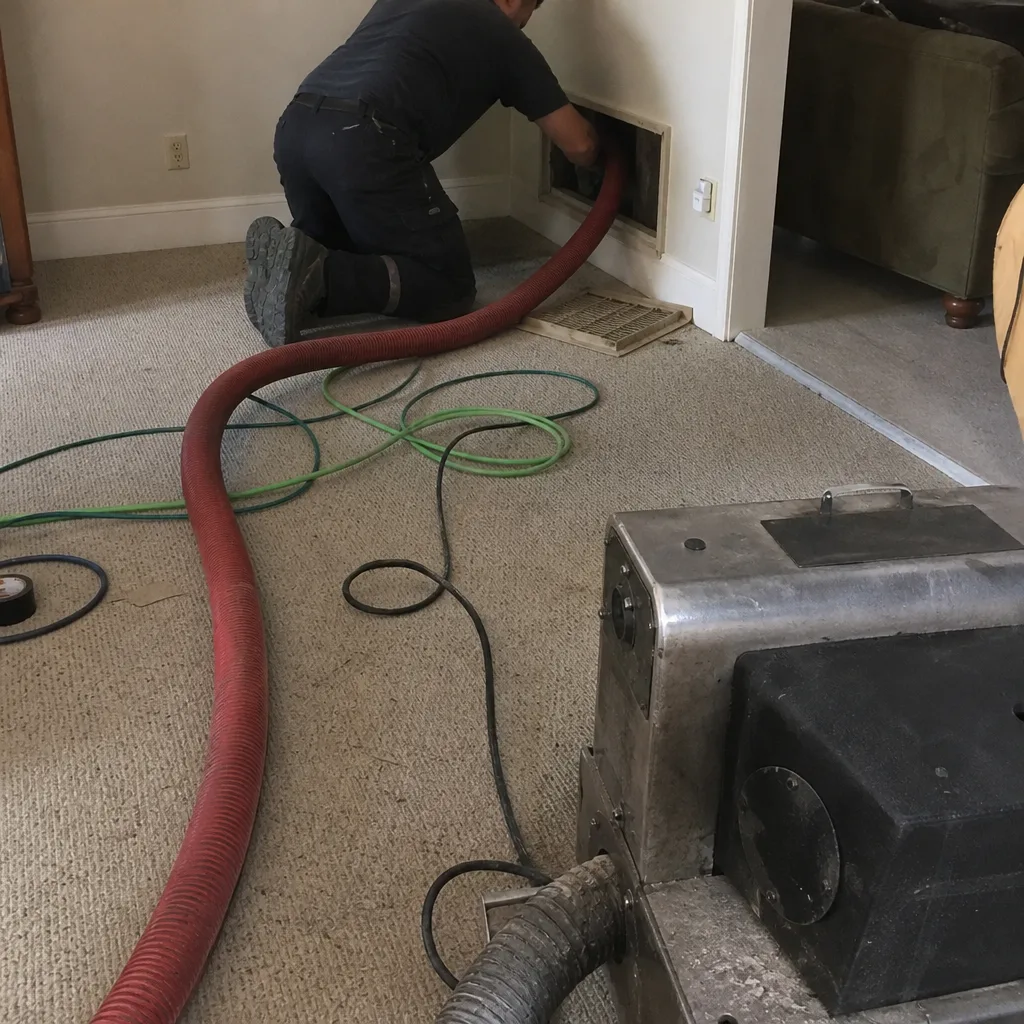
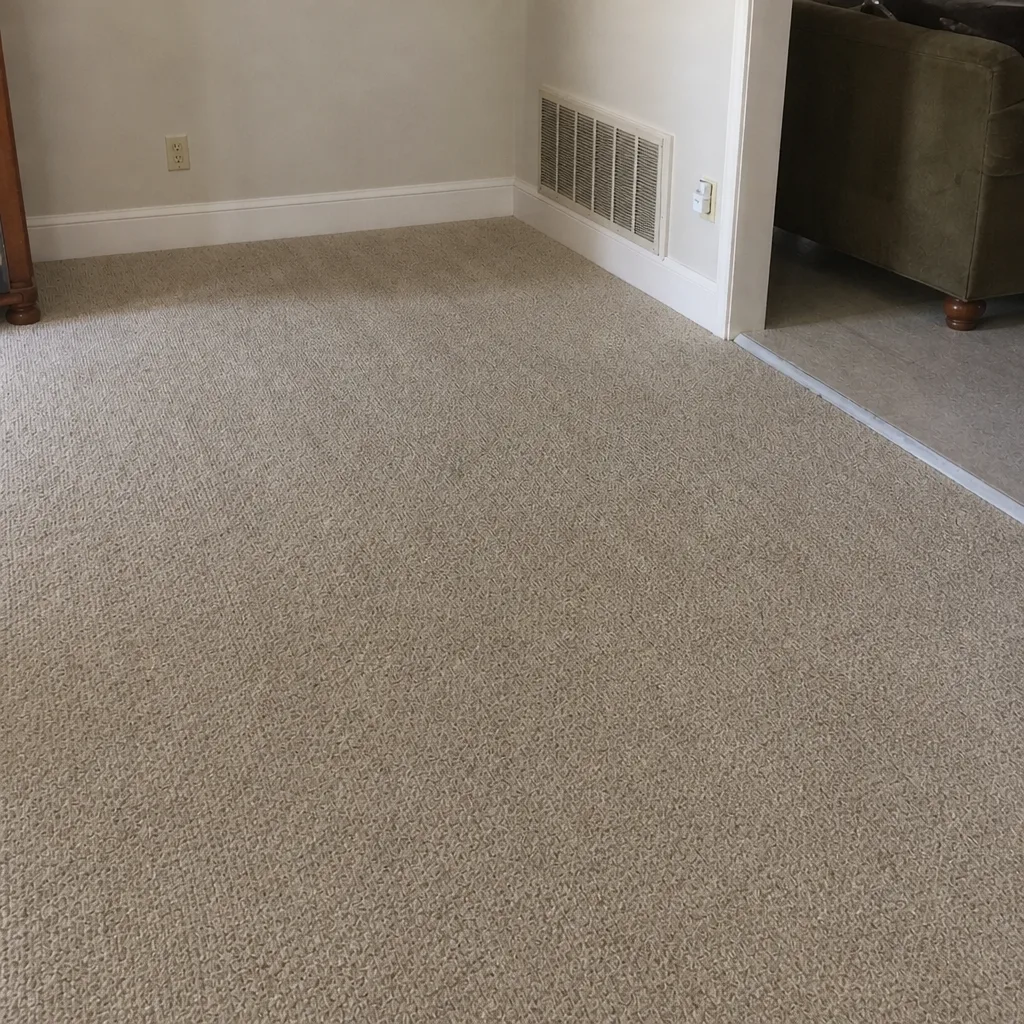
Whole-system duct and dryer vent check with before-and-after photos - you see exactly what came out of your vents
That "$99 whole-house special" is a bait ad - the real number appears once they are in your hallway, or the "clean" is a shop-vac at the register. We photograph the inside of your ducts before and after instead.
How to Hire an Air Duct Cleaning Contractor in Hampton: A Step-by-Step Guide
A $99 duct cleaning coupon in Hampton usually points to one of two things: a bait-and-switch that swells past $600 once the technician is inside, or a compressed-air blow-out that pushes debris around the system instead of pulling it out. Neither one leaves your ducts cleaner than they started. On paper, though, the cheap bid and the careful bid can look almost the same. This guide hands you the questions, the red flags, and the structural comparison tools to tell them apart before anyone sets foot in your house. You’ll learn what to ask about equipment, how to read a quote that lists “per unit” pricing, and what a real pre-job walkthrough looks like.
Styles & brands we work with
- Whole-home duct cleaning
- Dryer vent cleaning
- Camera inspection
- Sanitizing & deodorizing
Quick Answer
Hiring an air duct cleaning contractor in Hampton comes down to auditing three things: the equipment they’ll actually run (a negative air machine, a rotary brush system, and true containment), their process for protecting your home and proving the work was done, and a written quote built on register count and square footage rather than a teaser coupon. Ask for the equipment list, the containment method, and a walkthrough before you agree to a price. A contractor who can answer all three without hesitation is one worth booking.
Table of Contents
- Why a Cheap Duct Cleaning Quote Usually Costs More
- The Five Equipment Questions to Ask Before You Book
- What NADCA Membership Actually Tells You
- Red Flags in Hampton-Area Contractor Behavior
- How to Compare Quotes Structurally
- What a Legitimate Pre-Job Walkthrough Looks Like
- Credentials, Insurance, and What to Verify
- When Duct Cleaning Actually Needs Doing
Why a Cheap Duct Cleaning Quote Usually Costs More
A low advertised price and a low final price are two different numbers. The first is a hook. The second is what lands on your invoice. In the Hampton duct cleaning market, those two numbers can be separated by several hundred dollars, and the gap is where the trouble lives.
Here’s how it typically plays out. You call about the coupon. The technician arrives, walks the house, and delivers a concerned report: heavy buildup, a potential mold issue, a blower that could use sanitizing. The original price covered “one main trunk.” Every branch line is extra. Suddenly you’re looking at a figure many times the advertised rate, and the technician is already setting up equipment. Saying no at that moment feels awkward, and that’s the design.
The second pattern is quieter. A crew shows up with a shop vac and a compressed-air line. They blast air through the registers, loosen the dust, and pull a small fraction of it out. The rest settles back into the ducts, the plenum, and your return air path. What you’ve paid for is redistribution, not removal. Nothing was cleaned. You won’t notice for weeks, until the dust returns to the same surfaces it always did.
Neither pattern is unique to Hampton. What makes it worth understanding here is the housing stock. Much of Hampton is older construction with duct systems that have been modified over decades – a branch added here, a return moved there. Those systems need methodical cleaning, not a quick blow-through. The Duct Cleaning Hampton approach is one flat price per system agreed before work starts, and before-and-after photos of your own ducts so you can see what came out. That standard is what a fair quote should reflect, whatever contractor you hire.
It also matters because this region runs humid summers and moderate winters. Your HVAC system moves conditioned air for most of the year, and any debris that stays in the ducts gets cycled back into living space over and over. Clean ducts and a clean return path are part of how the whole system breathes.
The Five Equipment Questions to Ask Before You Book
Equipment is the clearest tell. A dedicated duct cleaning contractor invests in purpose-built machines. A generalist HVAC company treats duct cleaning as an add-on and often arrives with whatever vacuum is on the truck. Ask these five questions and listen to how specific the answers are.
- What negative air machine will you run, and what’s its CFM rating? A negative air machine is the vacuum that puts the duct system under negative pressure, so loosened debris is pulled toward the machine rather than into your rooms. Concrete CFM numbers are a sign they’ve thought about it. Vague answers (“a big industrial vacuum”) are not.
- What rotary brush system do you use? The industry benchmark is the Rotobrush rotary brush, which mechanically scrubs duct walls as it travels. A contractor who names their system, and knows its brush heads and reach, is one who uses it as a craft tool rather than a prop.
- What’s your containment method? Containment means sealing registers and work openings so dust doesn’t escape into the house. A serious contractor will describe it without prompting – plastic sheeting, negative pressure zones, HEPA filtration. If they can’t describe it, they likely don’t do it.
- What filtration equipment do you carry for contamination control? Professional indoor air quality work often involves Abatement Technologies filtration equipment. If a bidder has never heard of it and their whole kit is a shop vac, that tells you something about the level of job they’re set up to do.
- Do you inspect the system before quoting a final price? Any contractor worth hiring wants to see your layout – the registers, the returns, the plenum, the access points – before locking a number. A quote given blind over the phone is a guess dressed as a promise.
These aren’t gotcha questions. A genuine specialist will enjoy answering them. The point is to separate the crew that explains the “why” from the one that deflects.
What NADCA Membership Actually Tells You
NADCA, the National Air Duct Cleaners Association, sets the professional standard for the trade. Its membership is a useful credential, and it’s a floor, not a seal of approval. Plenty of excellent contractors hold it. Plenty of mediocre ones do too. What matters is what membership means in practice.
NADCA members agree to follow established cleaning standards, including the principle that a duct system should be cleaned to a documented level and that the whole system – supply, return, and the components the air touches – is in scope. That standard is the difference between a real cleaning and a register vacuum. So the membership is worth asking about, but the question shouldn’t stop at the logo.
Ask instead: how do you document the work? A contractor who photographs before-and-after interiors of your ducts, keeps records of what was found, and can explain why a particular branch needed more attention is demonstrating the standard, not just naming it. Documentation is the proof that the standard was followed.
In Hampton, where duct systems vary widely from house to house, that documentation matters more than a badge on a van. We’ve seen plenty of jobs where the report card was the only thing that told the homeowner what had actually happened inside their walls. The right questions: what do you photograph? Will I get copies? What happens if I find a problem after you leave? A contractor with a real process answers all three in plain language, without a sales pitch attached. For a deeper look at what a cleaning visit involves, see our page on air duct cleaning.
Red Flags in Hampton-Area Contractor Behavior
The signs of a bid you should walk away from are usually visible before any work begins. Watch for these.
- Same-day availability with no site assessment. A contractor offering to clean today, without ever looking at your system, is guessing. Real work needs a walkthrough and a written estimate first. (Same-day service is fine, but only after a proper assessment.)
- A quote that never mentions access panels. A legitimate quote identifies where the crew will cut or open access points, and how they’ll restore them. If access isn’t discussed, the cleaning will be shallow.
- Refusing to describe their containment method. Anyone who can’t explain how they’ll keep dust out of your living space isn’t set up to keep dust out of your living space.
- Upsell pressure mid-job. A technician who suddenly discovers mold, an emergency, or a required add-on after arriving is running a script. A fair contractor sets one flat price per system before work starts.
- No written estimate. If the number isn’t on paper, it isn’t a price. It’s a starting point for negotiation on their terms.
- Pressure to skip photos or documentation. A contractor who won’t show you before-and-after photos of your own ducts has a reason.
- Only per-vent pricing with no system-wide total. Per-register pricing punishes larger homes and hides the real scope. A per-system or whole-house estimate is the honest format.
None of these are about price. A careful, well-equipped contractor can still cost less than a bait-and-switch operation that reels you in with a coupon and makes it up at the end. What you’re screening for is process.
How to Compare Quotes Structurally
Comparing duct cleaning quotes on price alone is a trap, because the line items aren’t apples to apples. Here’s how to read them properly.
- Register count. The number of supply and return registers is the single most useful basis for comparison. Two bids covering twelve registers and twenty registers aren’t the same job, even if the totals look close.
- Square footage basis. Some contractors price by conditioned square footage. Ask what number they’re using. If they’re guessing from your address, the quote isn’t based on your actual house.
- Systems covered. Many Hampton homes have more than one HVAC system – a main unit and a second for an addition or second floor. A “per unit” price is honest only if both units and their duct runs are on the scope. Confirm it in writing.
- Scope of components. Does the quote include registers, return grilles, the plenum, and the air handler area? Or only the main trunk lines? The full system is what the industry standard calls for.
- Containment and cleanup. A quote that doesn’t mention containment or cleanup hasn’t priced the job properly. Ask whether it’s included or assumed.
- Documentation and photos. If before-and-after photos aren’t in the scope, you’re relying on the contractor’s word alone.
A clean quote reads like a scope of work, not a coupon. You should be able to point to each line and know exactly what you’re paying for. For homeowners with a separate second system or a finished basement, ask specifically whether both units are included and what the “per unit” number actually covers. If the answer gets fuzzy, that’s your answer.
What a Legitimate Pre-Job Walkthrough Looks Like
A serious contractor will want to see your HVAC layout before quoting a final price. That walkthrough should take some time, and it should follow a recognizable pattern.
- Counting registers and returns. The contractor walks the house, counting supply registers and return grilles in each room. This is the basis for the quote.
- Locating the air handler and plenum. They’ll look at the furnace or air handler, the main trunk, and where the system transitions. This is where dust settles and where the work gets done.
- Identifying access points. The contractor finds where access will need to be cut or where existing panels are, and describes how they’ll restore them after.
- Checking for visible conditions. They’ll look at register surfaces, the return grille, and the air handler cabinet for signs of debris or issues that will affect the cleaning.
- Discussing containment and protection. How will they keep your floors and furniture clean? Where will the equipment sit?
- Writing the quote on site. A proper quote comes out of a proper walkthrough. The written estimate is the final price, agreed before work begins.
This is why the honest answer to “can you clean today without looking?” is usually “we need to look first.” A walkthrough protects both sides. It also gives you a chance to ask your five equipment questions in person, where body language tells you as much as the words. Duct Cleaning Hampton runs free estimates in Hampton with exactly this kind of walkthrough, and our technicians have up to 8 years of experience reading systems that vary from block to block. If you want a company that treats dryer vent cleaning and duct work as one connected air system, that’s a conversation worth having once a contractor is on site. For more local context on scheduling and neighborhood access, our Hampton page covers the basics.
One more note on tools: air duct cleaning isn’t the only thing in the air path that needs attention. If you’re already opening walls and grilles, it’s worth asking about the dryer vent at the same time. A clogged dryer vent is a fire risk, not just an airflow problem, and it’s the kind of connected-system check a dedicated contractor will mention before you have to ask.
Credentials, Insurance, and What to Verify
Before you sign anything, verify three things: insurance, bonding, and the written estimate. Ask for a certificate of insurance showing general liability coverage. Confirm they’re bonded; this protects you if something goes wrong inside your home. And insist on a written estimate that sets the final price, not a verbal one that shifts during the job.
On licensing, this varies by locality in Virginia. Most cities require a business license and sometimes a contractor’s license for certain work, so ask your city’s business office or the contractor which apply and make sure what they hold matches what they’re doing. A bidder who can’t tell you their licensing status in plain terms is one to walk away from.
Beyond paperwork, look at how the company presents its equipment and its scope. A specialist who runs Rotobrush or Nikro gear on site, who knows Abatement Technologies filtration, and who’s familiar with Honeywell and Aprilaire systems is signaling a commitment to indoor air quality as its own trade. Generalist HVAC companies often treat duct cleaning as a revenue line, and their credentials and scope reflect it. You’re not looking for the biggest brand. You’re looking for the one whose process holds up under your questions.
One practical check: ask for the written scope and see if it names the equipment, the containment method, and the documentation. If it does, you’re dealing with a contractor who thinks like a specialist.
When Duct Cleaning Actually Needs Doing
Duct cleaning isn’t a fixed-interval chore, and anyone who tells you it’s “due every year” is selling a calendar, not a service. The honest answer depends on what’s happening in your home and how the system is running. Common triggers in Hampton include:
- Visible dust accumulation on register faces and return grilles shortly after cleaning surfaces
- Musty or stale smells when the system starts up
- Noticeably higher energy bills for the same usage pattern
- Recent renovation, drywall work, or a move-in
- Pets, or household members with allergies or asthma
- Long gaps since any known cleaning
If any of these fit, a professional assessment is worth a call. A dryer vent cleaning visit alongside it makes sense for connected-system protection. Beyond that, the decision is personal: what you’re willing to live with, and how much you value a documented clean system. An “every other year” rule of thumb is fine for some homes and unnecessary for others. Ask a contractor to inspect and explain what they find, and take the recommendation you can justify to yourself.
One distinction worth making: duct cleaning and duct repair are related but different jobs. If the system has crushed runs, disconnected joints, or damaged flex duct, cleaning alone won’t fix it. A dedicated contractor will flag that in the walkthrough and quote the repair separately. That’s a service worth asking about up front, and it’s the difference between cleaning a system that can hold its improvement and cleaning one that will just get contaminated again.
Common Mistakes to Avoid
- Booking on the coupon, not the scope. A $99 ad is a hook, not a price. Ask what the final number covers – registers, returns, plenum, documentation – before you commit.
- Comparing bottom-line totals instead of quotes. Two bids that look close can cover wildly different scopes. Compare register counts, systems, and components.
- Not asking about containment. If your house is dustier after the visit than before, containment failed or never happened. It should be described before booking.
- Accepting a verbal estimate. A number that isn’t written down isn’t a price. Get it in writing before work begins.
- Skipping the walkthrough. A contractor who quotes blind from your address is guessing. Insist on a site assessment first.
- Ignoring documentation. Choose a contractor who photographs before-and-after and shows you the results. If they won’t, ask why.
- Treating duct cleaning as a one-off. If your dryer vent hasn’t been checked, or if the system has visible damage, schedule those checks while the crew is already set up.
When to Call a Professional
Call a professional when you see a pattern that isn’t fixing itself: dust resettling on surfaces within days of cleaning, a musty smell when the HVAC starts, or a dryer that takes two cycles to dry a load. Those signs point to a system issue that a register wipe-down won’t solve. Call when you’ve bought or sold a home and don’t know the system’s history. Call if a renovation filled the house with drywall dust. Call if a family member has allergies that worsen indoors, or if you want a documented baseline of the system’s condition.
Duct Cleaning Hampton offers free estimates in Hampton. Call (855) 356-4265 to book a walkthrough. We answer 24/7. Fast dispatch from 7am to 7pm, Sunday through Friday. Our technicians have up to 8 years of experience, and we’ll walk you through each step in plain language.
Frequently Asked Questions
There’s no honest single number, because the cost depends on your system – register count, number of units, square footage, and whether repair is needed. What matters is that you get a written estimate for the whole system, agreed before work starts, not a teaser coupon that changes on site. Call (855) 356-4265 for a free estimate.
Cheap quotes usually reflect a narrower scope – one main trunk instead of the full system – or equipment not built for the job. The compressor-and-shop-vac crew is redistributing dust, not removing it. A quote that lists what’s included, and what isn’t, is the one to compare against. Call us at (855) 356-4265 and we’ll walk you through exactly what our estimate covers.
Ask for before-and-after photos of your own ducts, and a written summary of what was found. A contractor who photographs the interiors and shares the results is showing you the work. If documentation isn’t offered, it’s a fair question to raise. Call (855) 356-4265 to see what our reports include.
There’s no fixed schedule that fits every home. Some systems benefit from cleaning every few years; others go much longer. The trigger is what’s happening in your house – dust recurrence, odors, allergies, renovation, or a new move-in. Have a contractor assess and recommend based on what they find. Call (855) 356-4265 to book an assessment.
Homes across Hampton vary widely, and older construction often has duct systems that have been modified over the years. Those are the ones where access-point planning matters most. We’ll identify what your system needs during the walkthrough, and recommend the right scope. Call (855) 356-4265 to schedule.
Both. Duct repair is part of the same connected-system work as cleaning. If the walkthrough turns up crushed runs, disconnected joints, or damaged flex duct, we quote the repair separately. Call (855) 356-4265 to discuss a system that needs both.
We answer 24/7, and dispatch runs Sunday through Friday, 7am to 7pm. A Saturday call is booked into the next opening on Sunday. Call (855) 356-4265.
The Bottom Line
Hiring an air duct cleaning contractor in Hampton is a process, not a phone call. Ask the five equipment questions. Verify containment, documentation, and a written per-system estimate. Use register count and square footage to compare quotes structurally. Insist on a walkthrough before any final number is set. Choose the bidder whose process holds up under scrutiny, not the one whose coupon is cheapest. The work you’re commissioning isn’t a quick vacuum – it’s the cleaning of the system your family breathes from every day. Get that right and the results show up in how the house feels, not on an invoice.
Written by the team at Duct Cleaning Hampton.
See the difference
 Before
 After
 Before
 After
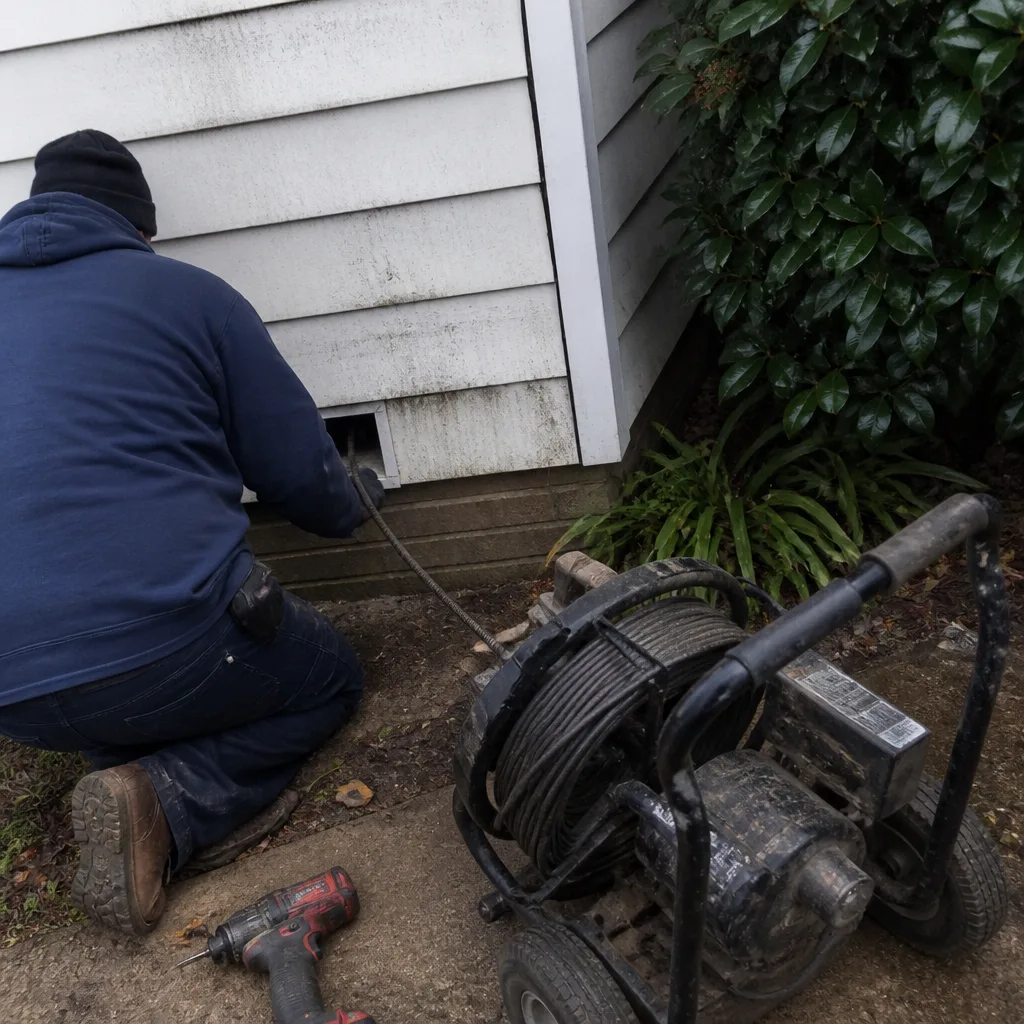 Before
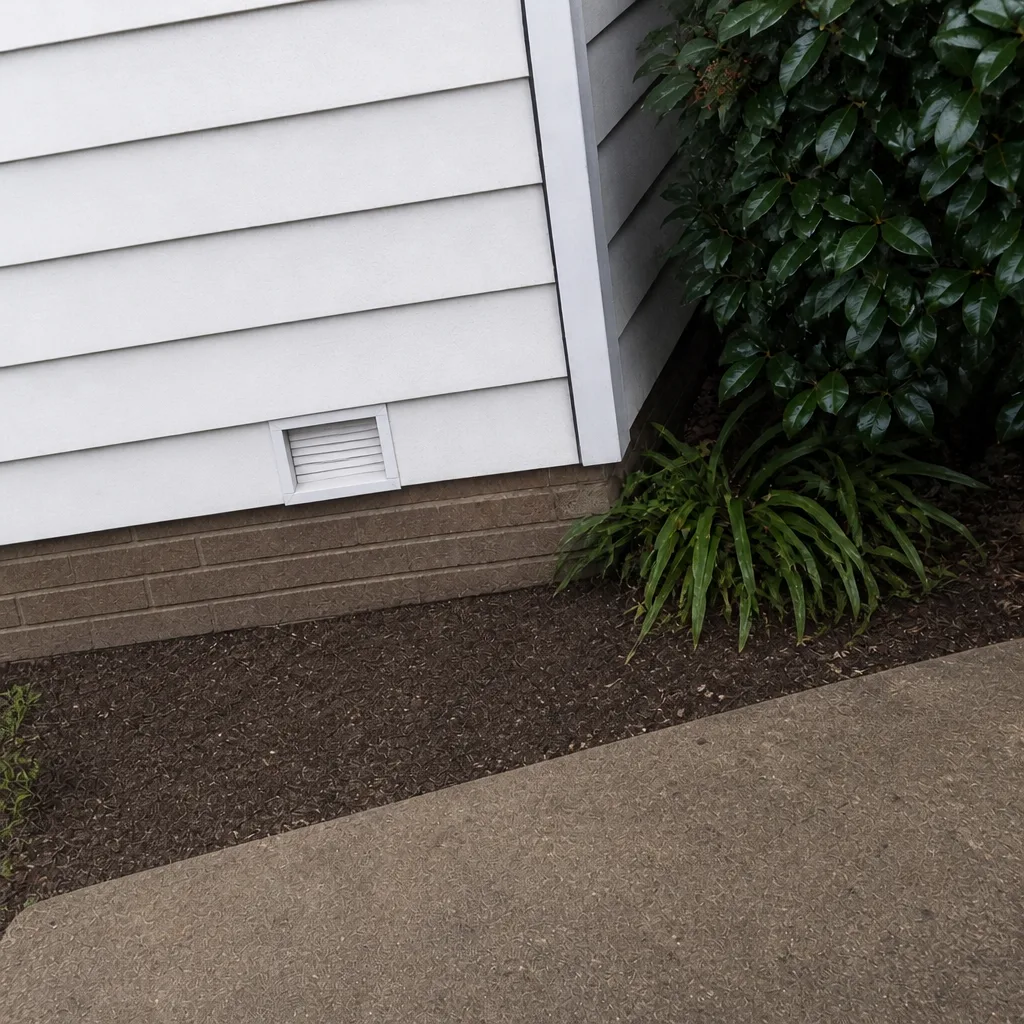 After